Miami, FL – A significant $175 million investment is set to catalyze a major revitalization of Overtown, Miami’s historic original Black neighborhood, promising to infuse new life into an area long marked by disinvestment and urban challenges. The Southeast Overtown/Park West Community Redevelopment Agency (SEOPW CRA) has secured approval for a substantial municipal bond program aimed at re-establishing Overtown as a vibrant community through affordable housing, enhanced public spaces, and cultural enrichment.
This news marks a pivotal moment for Overtown, a neighborhood once celebrated as the “Harlem of the South” for its thriving arts and business scene. Decades of urban planning decisions, most notably the construction of Interstate 95 and I-395, sliced through the heart of the community, leading to widespread demolition, displacement, and a drastic decline in its population and economic vitality. For years, Overtown was characterized by vacant lots and a lack of essential amenities, situated mere steps from the bustling downtown Miami and Biscayne Boulevard.
A New Era Fueled by Redevelopment Bonds
The $175 million bond program, approved by both the City of Miami Commission and the Miami-Dade County Commission, is designed to fund a multifaceted approach to Overtown’s resurgence. The funds will support the creation of approximately 2,500 new affordable and workforce housing units, significant improvements to parks and cultural facilities, and vital assistance for local business owners. The ultimate goal is to repopulate the historic neighborhood, restore its economic base, and begin to “right the wrongs of the past.”
Transformative Projects Taking Shape
The ambitious plan includes several key initiatives. A notable project involves the $25 million conversion of the former women’s jail into an art and cultural center, aiming to create a new hub for creativity and community engagement. Additionally, the pedestrian Ninth Street Mall is slated for a $15 million complete redesign by renowned landscape architect Walter Hood, promising to create a more inviting and functional public space.
Significant investments are also being channeled into housing, a critical component of Overtown’s revival. Atlantic Pacific Companies (APC) is leading the redevelopment of the Culmer Place and Culmer Gardens public housing projects, transforming them into mixed-income, mixed-use communities that will provide nearly 800 new apartments, with a substantial portion designated as affordable housing. Other planned housing developments include Rainbow Village, which will add 310 affordable and workforce units, and a partnership with a nonprofit offshoot of St. Agnes Episcopal Church that will yield 160 affordable units. The CRA has contributed substantial land value, such as deeding land worth $70 million to the St. Agnes nonprofit for their affordable housing project.
Furthermore, Block 55 at Sawyer’s Walk, a mixed-use complex developed by Michael Swerdlow, has already brought 578 apartments for low-income seniors and retail space to the neighborhood. Looking towards the future, a 56-story tower designed by architect Kobi Karp is being proposed, featuring 498 residential units, including 200 “income-restricted” micro-apartments, under the state’s Live Local Act.
Key Players Driving the Renaissance
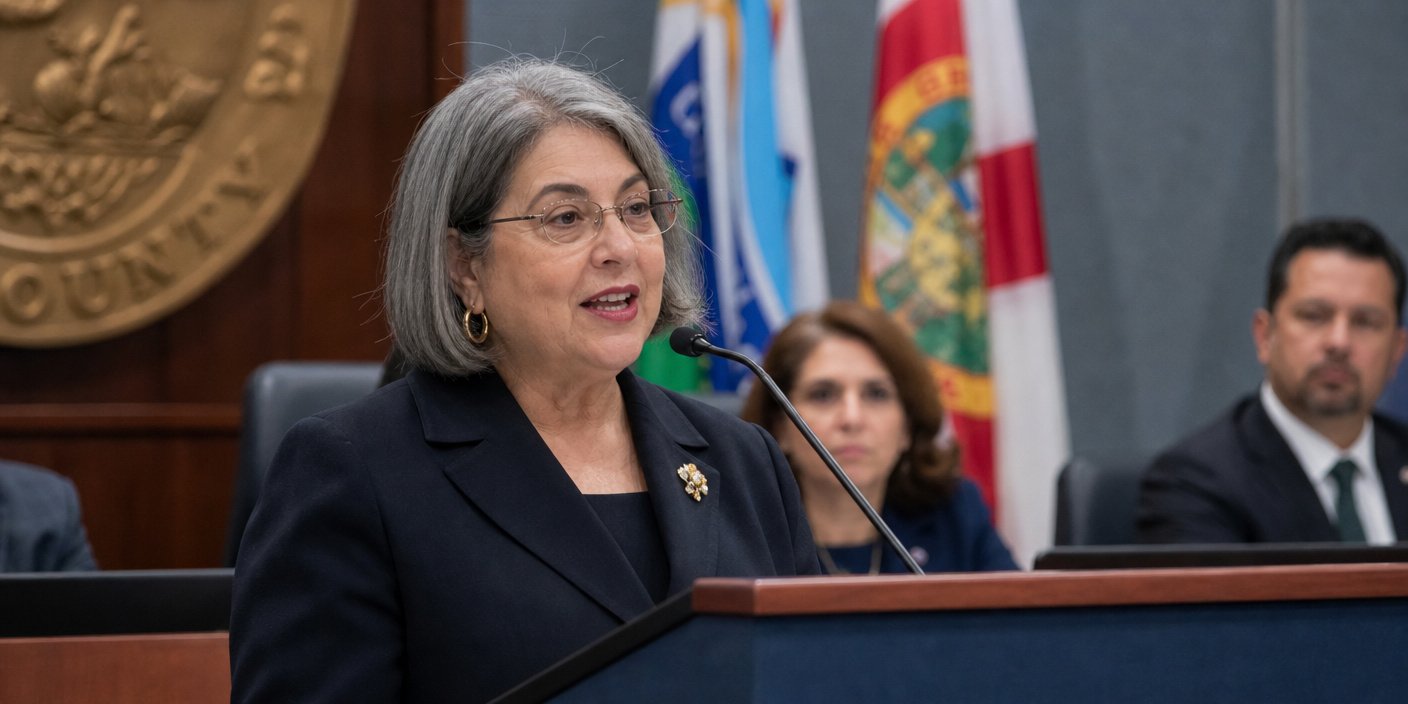
The revitalization effort is spearheaded by the SEOPW CRA, with its executive director, James McQueen, playing a crucial role in coordinating strategy. Miami Commission Chairwoman Christine King, who represents Overtown, has been a vocal advocate for the neighborhood’s transformation, stating, “What we’re seeing now is a renaissance of this community that was so rich in history and culture. All that is coming back.” Miami-Dade County Mayor Daniella Levine Cava has emphasized the plan’s commitment to equitable development, aiming to create a “stronger, more equitable, and resilient Overtown.”
Collaboration is a cornerstone of this initiative, with the CRA leveraging partnerships with various developers like Atlantic Pacific Communities, Coral Rock, and Housing Trust Group, often providing land at deep discounts or for free to make affordable housing financially feasible. Non-profit organizations, including Camillus House, are providing essential supportive services to residents as part of a broader “Transformation Plan” that integrates housing, infrastructure, and social programs.
Navigating Challenges and Embracing Hope
While the investment brings optimism, it also surfaces concerns about gentrification and potential displacement for long-time residents. The influx of new development, driven in part by tax revenues from surrounding upscale projects, has ironically created the financial wherewithal for this Overtown revival, a dynamic some observers note as a form of gentrification. However, officials and developers stress efforts to mitigate these effects by prioritizing affordable and workforce housing, aiming to allow current residents to remain and attract new working-class professionals.
The recent news also highlights past setbacks, such as the rescission of a $60 million federal grant for “The Underdeck,” a planned linear park intended to reconnect Overtown with downtown Miami. Despite this, the overall commitment to Overtown’s revival remains strong, with current investments aimed at creating a neighborhood that honors its legacy while embracing future possibilities. The CRA’s goal is ambitious: to repopulate Overtown and restore its economy, bringing back the vibrancy it once possessed.
This comprehensive investment signifies a new chapter for Overtown, marking a determined effort to heal historical wounds and build a more inclusive and prosperous future for Miami’s original Black neighborhood. It is a development that is sure to be trending in local news and community discussions for years to come, signaling a potential turning point for this historically significant area.