The City of Miami is approaching a historic transition. After more than 70 years of operating out of the iconic, Art Deco-style Pan American Airways terminal at Dinner Key in Coconut Grove, officials are preparing to relocate the seat of municipal government. The destination, however, is triggering a polarizing debate among residents, urban planners, and civic advocates. While the City has formalized plans to shift administrative operations to the expansive, stadium-anchored Miami Freedom Park development near Miami International Airport, a vocal contingent of critics is arguing that the government’s next home should be in the heart of downtown, rather than a peripheral sports and entertainment complex.
Key Highlights
- The Relocation Timeline: Miami officials have finalized plans to relocate City Hall from the historic Dinner Key site to the new Miami Freedom Park development, with a projected move-in date around 2028.
- The Controversy: Critics argue that moving to the Freedom Park site—which also houses the Inter Miami CF soccer stadium—prioritizes developer-led projects over civic accessibility, favoring a suburban-adjacent model over a downtown centralized hub.
- The “Downtown” Argument: Proponents of a downtown move contend that government headquarters should be embedded in the city’s most densely populated and transit-accessible area to ensure greater transparency and proximity to the citizens they serve.
- Historical Uncertainty: The fate of the 1931 Pan American Airways terminal, a designated historic landmark, remains officially undecided, sparking concern among preservationists and local Coconut Grove residents.
The Civic Crossroads: Defining the Future of Miami Governance
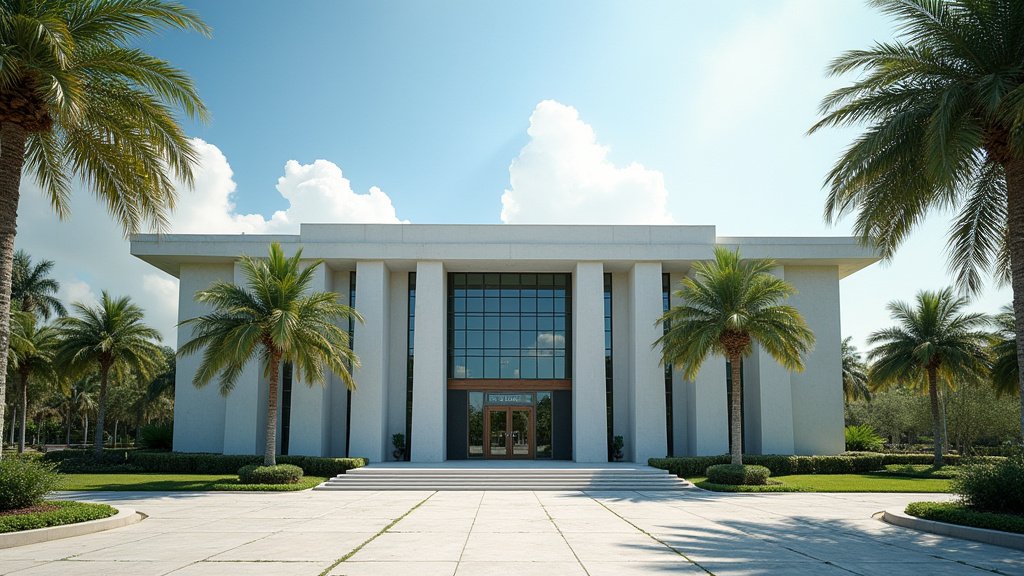
For nearly a century, the architectural identity of Miami’s local government has been inextricably linked to the waterfront. The Pan American Airways terminal, converted into City Hall in 1954, serves as a testament to Miami’s aviation-led growth. However, as the city has expanded, the infrastructure at Dinner Key has become increasingly detached from the urban realities of the 21st century. The upcoming migration to Miami Freedom Park represents a massive shift in urban policy, essentially tethering the administrative center to a sprawling, privately developed mixed-use project that also includes the new Nu Stadium, home to Inter Miami CF.
The Allure of Centralization vs. The Reality of the Airport Perimeter
The central tension in this relocation centers on the concept of “civic presence.” Those advocating for a downtown relocation argue that for a city as complex and dynamic as Miami, the seat of government should be where the most significant urban challenges, economic activities, and population densities exist. Downtown Miami, with its transit hubs, dense residential clusters, and centralized business district, arguably provides a more logical home for a modern municipal government.
Advocates for a downtown move emphasize that when city commissioners and the mayor operate from an urban core, they are forced to confront the daily realities of the city: traffic, infrastructure maintenance, public safety, and the daily struggles of the workforce. By moving to the Freedom Park site, located near the airport, some critics fear that the administration is effectively isolating itself behind the walls of a private development, creating a “citadel” effect that distances officials from the constituents they are sworn to represent.
Freedom Park: A New Era or a Developer-Led Distraction?
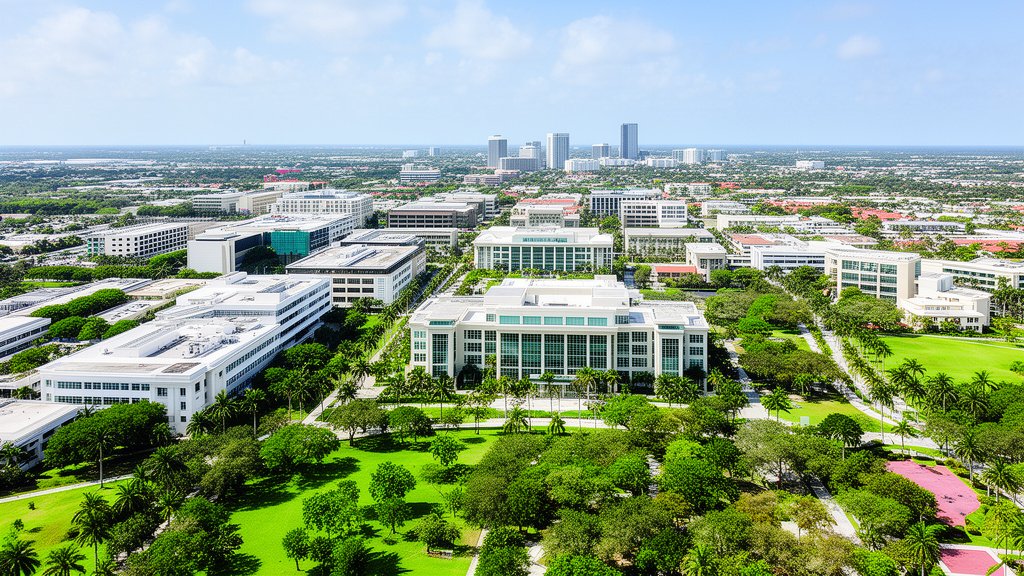
The City’s rationale for the Freedom Park move is rooted in modernization and consolidation. Officials have long cited the “functional obsolescence” of both the current Dinner Key site and the Miami Riverside Center—the latter of which has been criticized as inadequate for modern administrative needs. The new, eight-story complex proposed at Freedom Park promises a high-tech facility, consolidated departments, and the convenience of being part of a larger mixed-use project.
However, the optics of the move are complex. The project is led by a high-profile ownership group, including David Beckham and Jorge Mas, who are driving the massive redevelopment of the former Melreese Golf Course. While the partnership aims to bring world-class amenities to Miami, the consolidation of government offices within such a project raises valid questions about public-private synergy. Critics argue that public funds and municipal operations are being used to lend legitimacy and infrastructure support to what is, at its core, a commercial real estate venture. The risk, according to urban planning critics, is that the government ceases to be a central pillar of civic life and becomes merely another “tenant” within a privately managed leisure complex.
The Economic and Logistical Ripple Effect
The economic implications of this move extend far beyond the relocation of office furniture. By leaving Dinner Key, the city vacates a prime piece of waterfront real estate that has anchored Coconut Grove’s identity for decades. While officials maintain that no decision has been made regarding the future of the historic terminal, the vacuum left by the departure of city government will undoubtedly trigger a scramble for new utility. Will it become a museum? A boutique hotel? A community center? The uncertainty surrounding this historic asset adds a layer of anxiety to the relocation process.
Furthermore, the logistical shift to the airport area presents a challenge for public access. Downtown Miami is supported by the Metromover, Metrorail, and extensive bus networks. The Freedom Park site, while centrally located geographically, is less integrated into the city’s core transit infrastructure. Ensuring that residents from Liberty City, Little Havana, or Overtown can easily access their government officials at a peripheral suburban-style development will require significant investments in transit connectivity, which remain unfinalized.
Assessing the Long-Term Vision
This decision is not merely about office space; it is about the vision for Miami’s future. In the current era of rapid growth, where Miami is positioning itself as a global tech and business hub, the location of the City Hall sends a signal. Placing it downtown would have sent a signal of commitment to urban density and infrastructure. Moving it to the stadium complex signals a commitment to growth patterns centered on large-scale, car-dependent, mixed-use developments.
As construction progresses toward the 2028 target, the debate is unlikely to subside. For the residents of Miami, the outcome of this move will serve as a permanent marker of the administration’s priorities. Whether this shift heralds a new, more efficient era of municipal management or stands as a cautionary tale of civic isolation remains to be seen. The city has chosen its path—now it must contend with the legacy of that choice.
FAQ: People Also Ask
Q: Why is Miami City Hall moving from Coconut Grove?
A: The city has deemed the current administrative offices, including those at the Miami Riverside Center and the historic Dinner Key terminal, to be “functionally obsolete.” The move to Freedom Park is intended to consolidate operations into a modern, eight-story facility.
Q: Is the new City Hall going to be inside the soccer stadium?
A: No, it will not be inside the stadium. However, it will be located within the larger Miami Freedom Park development, which encompasses 130 acres and includes the Nu Stadium for Inter Miami CF, alongside retail, office, and park space.
Q: What will happen to the historic Pan American Airways terminal in Coconut Grove?
A: As of early 2026, no official plans have been finalized for the site. City officials have stated they are not yet ready to sell or repurpose the historic building, leading to calls from preservationists for it to be protected as a public asset.