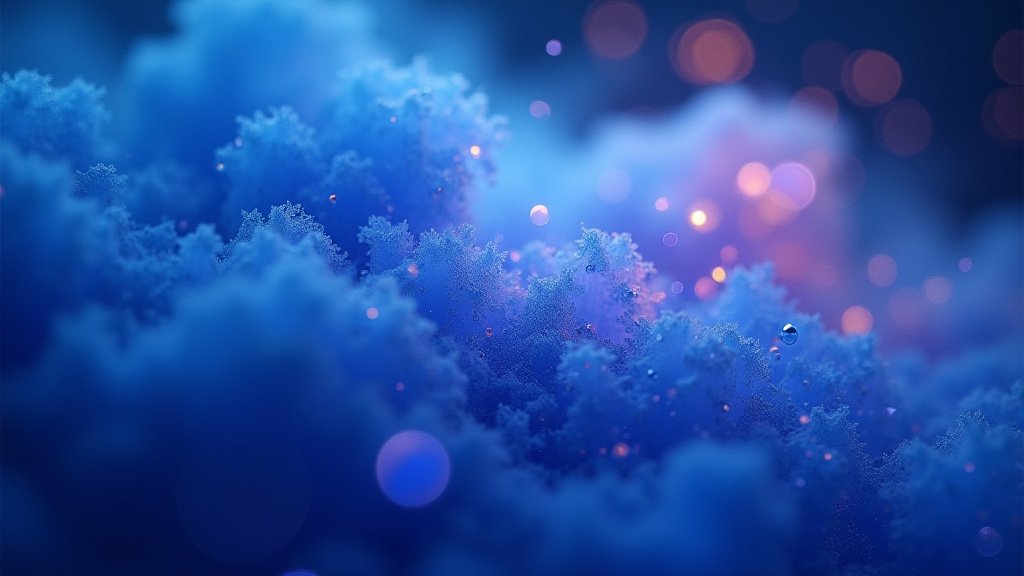
A stunning piece of digital art, created using advanced artificial intelligence tools, has taken the internet by storm, sparking widespread discussion about the future of creativity and copyright. The artwork, titled “Ephemeral Echoes,” showcases a breathtaking landscape that blends hyperrealism with surrealist elements, captivating millions across social media platforms.
Key Highlights:
- A viral digital artwork, “Ephemeral Echoes,” has gained massive traction online.
- The piece was generated using sophisticated AI art tools, sparking debate.
- Experts are divided on the implications for human artists and intellectual property.
- The artwork features a unique, dreamlike landscape.
- The creator remains anonymous, adding to the mystique.
The AI Art Phenomenon: “Ephemeral Echoes” Captivates the Globe
The digital art world is abuzz with the emergence of “Ephemeral Echoes,” a visually striking creation that blurs the lines between human artistry and machine generation. Created by an anonymous artist known only as ‘Aether,’ the piece exemplifies the rapidly advancing capabilities of AI in artistic endeavors. The artwork, which depicts a celestial city floating amidst swirling nebulae and crystalline structures, has been praised for its intricate detail, evocative atmosphere, and profound emotional resonance. Since its release on the popular art-sharing platform ArtStation just last week, “Ephemeral Echoes” has garnered millions of views, likes, and shares, quickly becoming one of the most talked-about artworks of the year. This surge in popularity has not only highlighted the aesthetic appeal of AI-generated art but has also ignited a fervent debate within the art community and beyond.
The Technology Behind the Masterpiece
“Ephemeral Echoes” was reportedly generated using a suite of cutting-edge AI models, including advancements in diffusion models and generative adversarial networks (GANs). These technologies allow artists to input textual prompts, stylistic references, or even rough sketches, which the AI then interprets and transforms into detailed visual outputs. Aether has remained tight-lipped about the specific tools and prompts used, fueling speculation about the complexity and uniqueness of the creative process. The resulting image showcases an unparalleled level of detail, from the individual glints of light on the floating city’s architecture to the subtle color gradients in the cosmic background. The level of polish and artistic coherence suggests a highly sophisticated interaction between the artist and the AI, moving beyond simple prompt-and-generate scenarios.
The Debate: Creativity, Copyright, and the Human Touch
The viral success of “Ephemeral Echoes” has amplified the ongoing conversation about the role of AI in art. Critics argue that while technically impressive, AI-generated art lacks the authentic human emotion, intent, and lived experience that define true artistic expression. Concerns about copyright are also paramount, with questions arising about who owns the intellectual property of a work created by a machine – the AI developer, the user who provided the prompt, or perhaps even the AI itself. Conversely, proponents view AI as a powerful new tool that can democratize art creation, enabling individuals without traditional artistic skills to bring their visions to life. They see AI as a collaborator, a muse that can push the boundaries of creativity and unlock new aesthetic possibilities. The debate is far from settled, with legal and ethical frameworks struggling to keep pace with technological advancements.
The Artist’s Intent and Anonymity
The anonymity of ‘Aether’ adds another layer of intrigue to the story. In an era where personal branding is often crucial for artists, Aether’s choice to remain hidden suggests a focus purely on the art itself. This anonymity may also be a deliberate strategy to allow “Ephemeral Echoes” to be judged on its own merits, free from the artist’s personal narrative or background. It prompts viewers to engage with the artwork on a deeper, more abstract level, contemplating the source of its beauty and meaning without the influence of a known persona. The mystery surrounding the artist encourages speculation about whether Aether is a single individual, a collective, or even an AI entity operating independently.
Economic and Cultural Impact
The rise of AI art has significant economic implications for the creative industries. Freelance illustrators, graphic designers, and concept artists are grappling with the potential for AI tools to automate certain tasks, leading to concerns about job displacement and reduced commission rates. However, new opportunities are also emerging, such as AI art curators, prompt engineers, and artists who specialize in refining AI outputs. Culturally, AI art challenges our definitions of authorship, originality, and aesthetic value. It pushes society to reconsider what it means to be an artist in the 21st century and how we engage with creative works. The accessibility of AI tools also means that a wider range of voices and perspectives can contribute to the artistic landscape, potentially leading to a richer and more diverse cultural output.
FAQ: People Also Ask
What is AI art?
AI art refers to artwork created through the use of artificial intelligence algorithms. This can range from images generated from text prompts to art that is modified or assisted by AI tools in the creative process.
Who owns the copyright of AI-generated art?
Copyright ownership of AI-generated art is a complex and evolving legal issue. In many jurisdictions, copyright law requires human authorship, making the copyright status of purely AI-generated works uncertain. Some platforms and legal experts suggest that the user who directs the AI with specific prompts may hold some rights, while others argue that the AI developers or the AI itself might be considered creators.
Is AI art a threat to human artists?
This is a subject of intense debate. Some artists and industry professionals believe AI poses a significant threat, potentially devaluing human skill and leading to job losses. Others see AI as a complementary tool that can enhance human creativity, open new artistic avenues, and make art creation more accessible.
How can I create AI art?
Creating AI art typically involves using specialized software or online platforms that employ AI models. Popular options include Midjourney, DALL-E 2, Stable Diffusion, and NightCafe Creator. Users generally input text descriptions (prompts) or upload reference images, and the AI generates visual outputs based on these inputs.
What are the ethical considerations of AI art?
Ethical considerations include issues of copyright and intellectual property, the potential for AI to be used to create deepfakes or misinformation, the impact on the livelihoods of human artists, and questions about originality and authenticity in art.