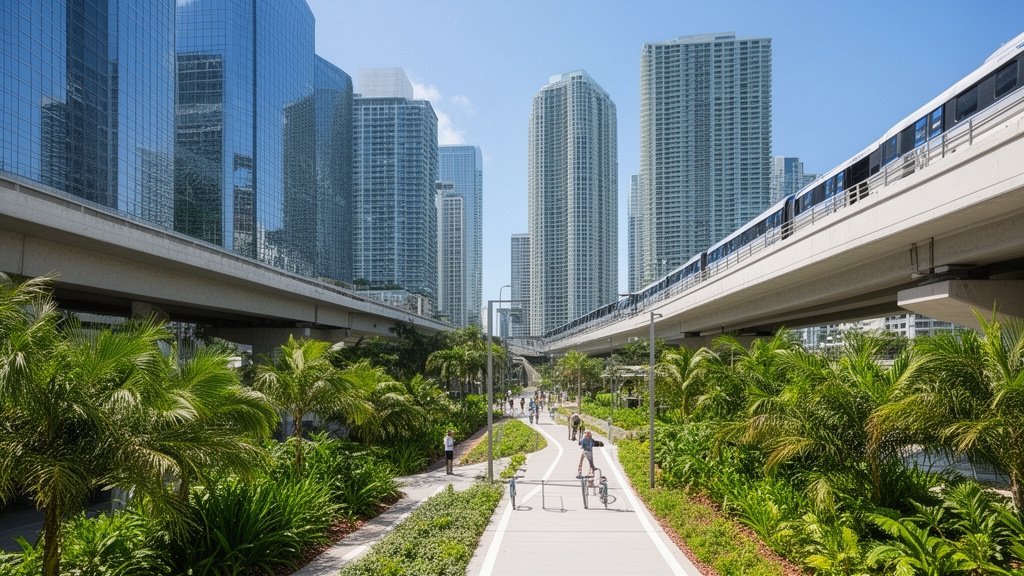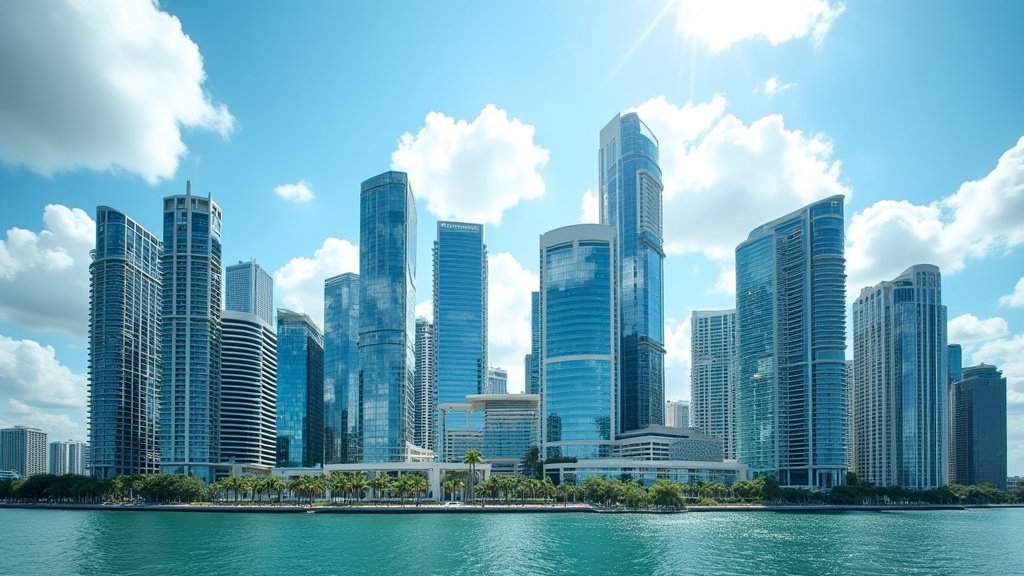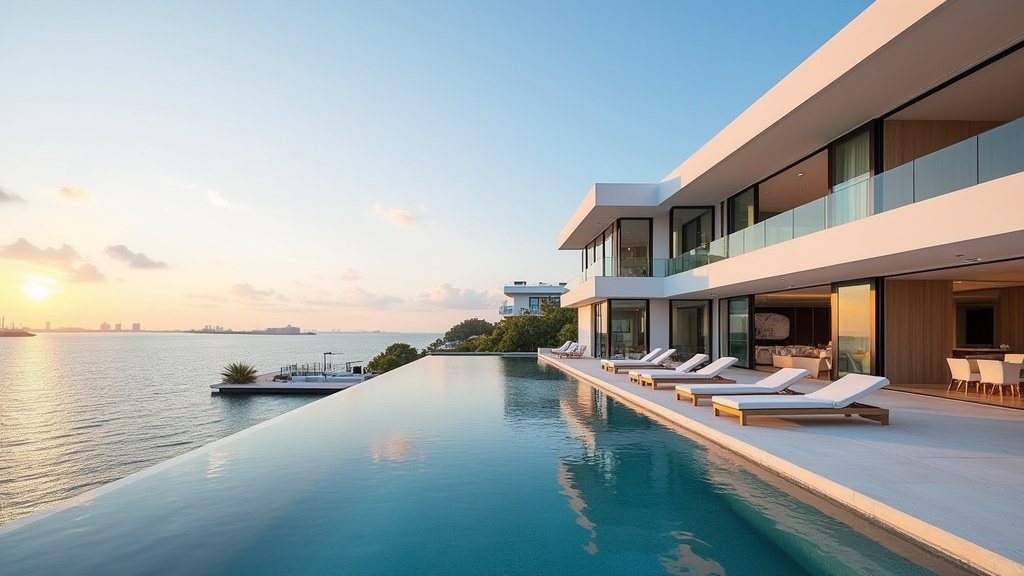
As Miami traffic gridlock intensifies to record-breaking levels, the city’s ultra-wealthy are increasingly turning to floating helipads as the ultimate status symbol to bypass the metropolitan congestion. This growing trend among billionaires and high-net-worth individuals represents a fundamental shift in how the elite navigate the Magic City, transforming the harbor from a mere recreational space into a critical piece of private transportation infrastructure. By utilizing water-based landing platforms, these individuals can bypass the bottlenecked causeways and interstate systems, effectively reclaiming hours of their day while cementing their position within the city’s upper social echelons.
The Logistics of Luxury Commuting
The infrastructure supporting this trend is as complex as it is exclusive. Floating helipads, often technically classified as maritime vessels or semi-permanent platforms, are being deployed strategically along the Biscayne Bay shoreline. This approach bypasses the stringent zoning and noise ordinances that frequently hinder private helipad development in densely populated urban centers. For the billionaire commuter, the workflow is seamless: a short tender ride from a private dock to the floating platform, followed by a rapid flight to a rooftop heliport in Brickell or a private estate in the suburbs.
This method of travel is not merely about efficiency; it is a meticulously crafted display of privilege. In a city where time is the ultimate commodity, the ability to soar above the congested I-95 or the MacArthur Causeway acts as a visible marker of power. Furthermore, the use of these platforms mitigates the intrusive noise pollution issues that usually draw ire from residential neighborhoods, as the final approach and departure are conducted over the open water.
Impact on Miami’s High-End Real Estate Market
The proximity to these floating helipads is rapidly becoming a premier selling point for Miami’s luxury real estate developments. Brokers report that prospective buyers are now inquiring about “air-access” capabilities with the same frequency as ocean views. Developers are responding by incorporating private dock access into their master plans, knowing that the ability to facilitate a smooth transfer to a helipad significantly inflates the valuation of penthouse units and waterfront estates.
Beyond property value, this trend is reshaping the city’s maritime landscape. The influx of private aviation traffic over the water is prompting local authorities to review regulations regarding sky and sea space. While currently operating in a semi-regulated grey area, the proliferation of these pads suggests that Miami is moving toward a more decentralized, private aviation-centric model of urban mobility for its most affluent residents. As the city continues to attract global capital, the floating helipad has evolved from a futuristic concept into an essential component of the billionaire lifestyle in South Florida.