In a decisive move to alleviate South Florida’s chronic transit congestion, the Florida Department of Transportation (FDOT) has officially restored $200 million in funding for the Northeast Corridor project. This critical injection of capital effectively clears the path for the long-awaited commuter rail link connecting downtown Miami to Aventura, marking a significant milestone for the region’s transportation infrastructure and the overarching Strategic Miami Area Rapid Transit (SMART) Plan.
Key Highlights
- Funding Secured: FDOT has fully restored the $200 million commitment, eliminating previous uncertainty regarding project viability.
- Vital Connectivity: The rail line will bridge the gap between MiamiCentral station and Aventura, providing a crucial transit artery through northern Miami-Dade County.
- Congestion Relief: The project is designed to divert commuters from the perpetually gridlocked I-95 corridor.
- Economic Growth: Enhanced connectivity is expected to stimulate economic development and increased real estate value across the neighborhoods served by the corridor.
Advancing the Northeast Corridor: A Milestone for Miami Transit
The restoration of the $200 million appropriation by the Florida Department of Transportation is more than a mere budgetary adjustment; it is a vital lifeline for a project that has navigated years of political and financial uncertainty. As part of the six-corridor SMART Plan—the blueprint for Miami-Dade County’s transportation future—the Northeast Corridor has long been identified as a top priority for creating a viable alternative to personal vehicle use in one of the most traffic-congested metropolitan areas in the United States.
The Strategic Role of the Northeast Corridor
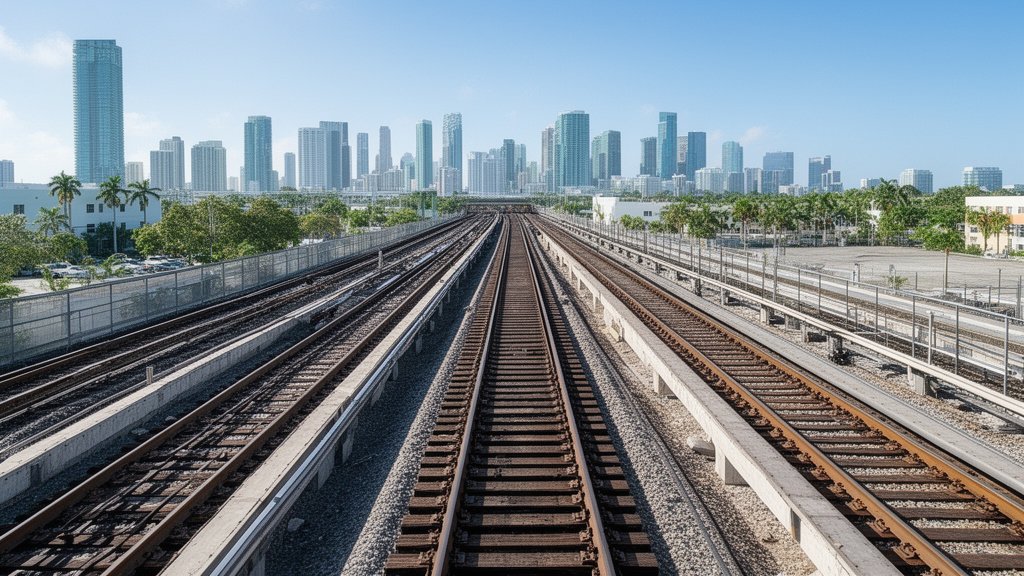
The Northeast Corridor (NEC) project is designed to operate on existing rail infrastructure, specifically leveraging the tracks currently used by Brightline. By utilizing this existing right-of-way, the project aims to minimize environmental disruption and construction time, two common pitfalls of major infrastructure expansion in dense urban environments. The line will terminate at MiamiCentral in the heart of downtown Miami and extend northward to a hub in Aventura, effectively linking major job centers with residential zones that have historically lacked high-capacity rail connectivity.
This rail link is not an isolated development but a foundational component of the region’s transit grid. By integrating with existing bus networks and local transit services, the commuter rail aims to facilitate the “last mile” solution for thousands of daily commuters. The restoration of this funding signifies that FDOT, in coordination with the Miami-Dade County Department of Transportation and Public Works, is finally moving from the planning and lobbying phases into actionable implementation.
Socio-Economic Impact and Urban Development
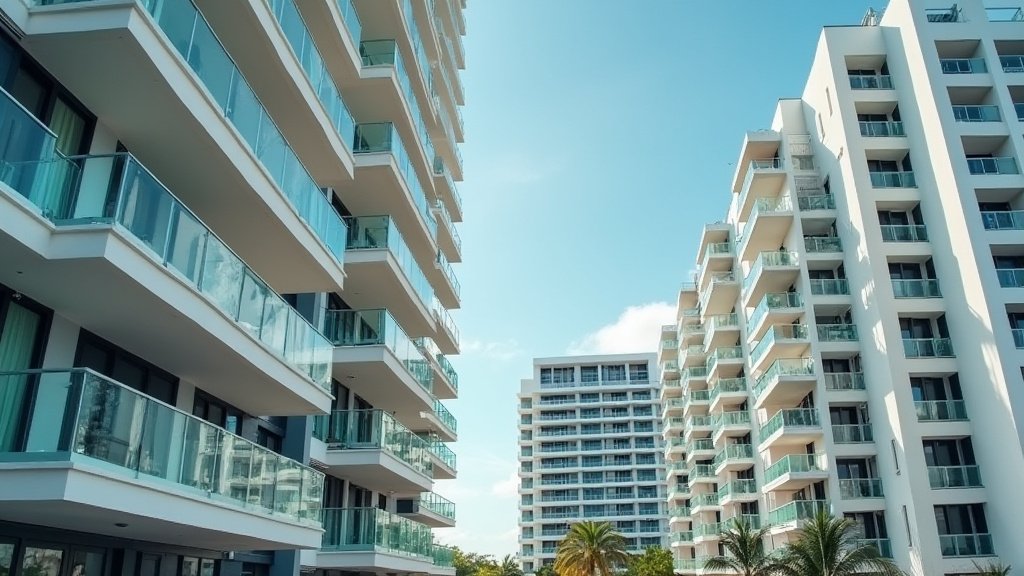
Beyond the logistical benefits, the corridor holds immense potential for socioeconomic transformation. Station stops located throughout northern Miami-Dade are expected to catalyze transit-oriented development (TOD). These high-density, mixed-use zones typically bring housing, retail, and commercial office space into walking distance of transit hubs, shifting the urban development pattern away from suburban sprawl and toward a more sustainable, centralized model.
For residents in areas such as Little Haiti, North Miami, and Biscayne Gardens, the commuter rail represents a shift in accessibility. Historically, these communities have relied heavily on the overburdened I-95 and surface streets, where rush-hour commutes can be unpredictable and lengthy. By providing a predictable, fixed-schedule rail service, the project offers a tangible alternative that could significantly improve the quality of life for workers navigating the daily commute into Miami’s urban core.
Navigating the Future: Beyond the Funding
While the restoration of $200 million is a definitive win, the road to full operation involves navigating complex coordination between state, local, and private stakeholders. The agreement with Brightline to share its tracks is central to the project’s feasibility. Ensuring that commuter rail service can operate in harmony with existing high-speed and freight traffic requires sophisticated scheduling and infrastructure upgrades at stations.
Looking ahead, officials are focused on finalizing the operational agreements and construction timelines. The restoration of funding sends a clear signal to contractors and regional stakeholders that the Northeast Corridor is a ‘go’ project. With the capital secured, the focus shifts to procurement and project management, ensuring that the infrastructure upgrades required to support commuter volumes are executed efficiently. This project serves as a test case for the broader SMART Plan; if the Northeast Corridor proves successful in capturing daily commuter volume, it will likely accelerate the prioritization of the remaining five corridors in the SMART portfolio.
FAQ: People Also Ask
Where will the new commuter rail line run?
The Northeast Corridor commuter rail will connect MiamiCentral station in downtown Miami to a new station in Aventura, serving communities such as Little Haiti, North Miami, and Biscayne Gardens along the existing rail corridor.
Why was the $200 million funding initially at risk?
Infrastructure projects of this scale often face fluctuating budgetary priorities at the state level. The funding had previously entered a period of uncertainty, leading to delays. The recent restoration confirms FDOT’s renewed commitment to prioritizing this specific transit link.
How does this project fit into the SMART Plan?
The SMART Plan (Strategic Miami Area Rapid Transit) is a comprehensive plan for Miami-Dade County aimed at improving transportation through six rapid transit corridors. The Northeast Corridor is one of the most critical elements of this plan due to the high density of existing commuters traveling along the I-95 corridor.
Will this reduce traffic on I-95?
Yes, the primary goal of the Northeast Corridor is to provide a viable mass transit alternative to driving, specifically targeting commuters who currently rely on the congested I-95 expressway and local surface streets.