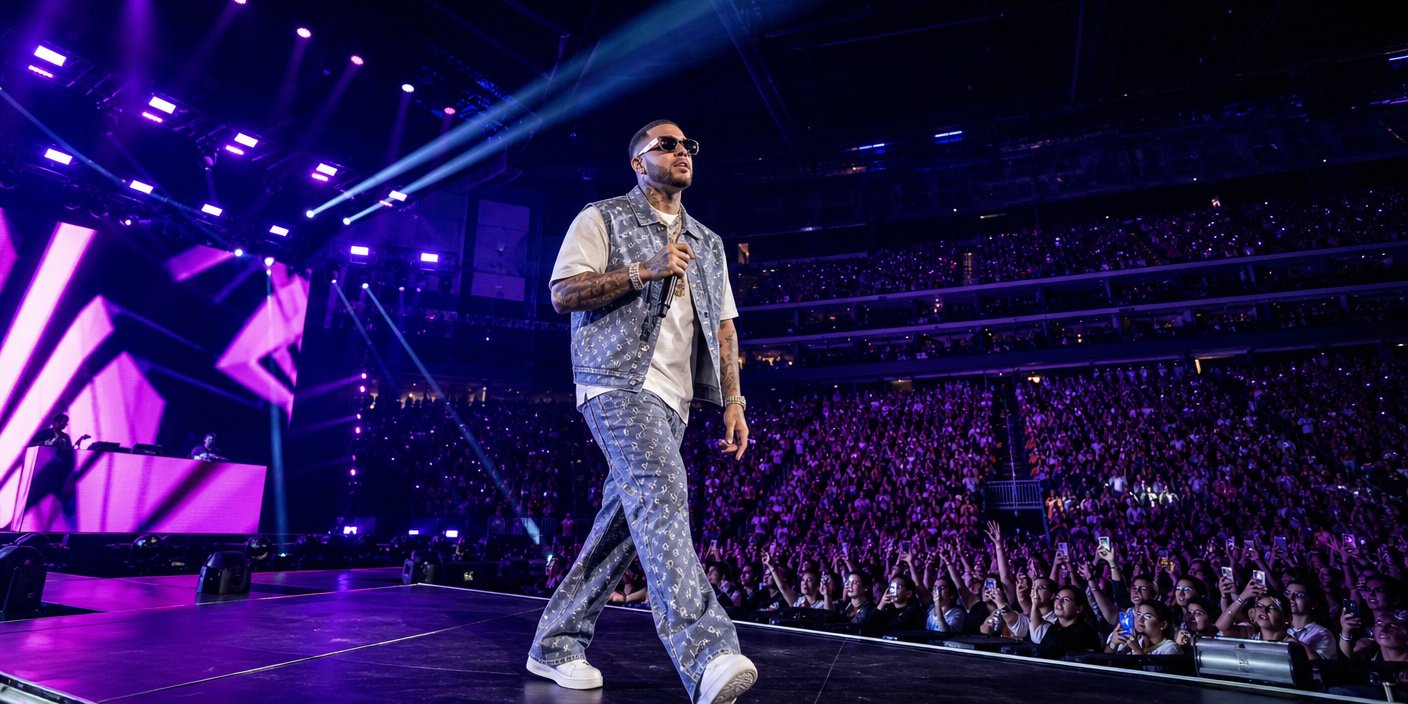
Electronic music collective Machine Girl brought their signature blend of digital hardcore, noise, and intense electronic music to South Florida, captivating audiences with a high-energy performance. The group is known for its chaotic live shows and genre-bending sound, which fuses elements of breakcore, industrial, and gabber.
Key Highlights:
- Machine Girl’s performance showcased a unique fusion of electronic music, digital hardcore, and noise.
- The band delivered a high-energy and chaotic live show, characteristic of their style.
- Their sound is a distinct mix of breakcore, industrial, and gabber influences.
- The South Florida stop was part of a broader tour, exciting local fans of experimental electronic music.
Machine Girl’s Sonic Assault on South Florida
Machine Girl, the enigmatic electronic music project helmed by Matt Stephenson, recently descended upon South Florida, leaving a trail of sonic exhilaration. Renowned for their audacious and often abrasive sound, the group masterfully delivered a performance that was a visceral explosion of digital hardcore, industrial noise, and breakneck electronic beats. This tour stop in South Florida underscored their reputation as pioneers in a niche but fiercely dedicated electronic music subculture. Their music defies easy categorization, drawing from a deep well of influences that include the frenetic energy of gabber, the rhythmic complexity of breakcore, and the raw, distorted textures of industrial music.
A Genre-Bending Spectacle
The performance was a testament to Machine Girl’s ability to craft an immersive and overwhelmingly powerful audio-visual experience. Their setlist likely navigated through fan-favorite tracks, showcasing their dynamic range from intensely aggressive anthems to more atmospheric, albeit still experimental, pieces. The live setting amplified the raw energy inherent in their studio recordings, with Stephenson and any accompanying performers known for their uninhibited stage presence. This raw, unpolished energy is a cornerstone of their appeal, attracting a fanbase that craves authenticity and a departure from more conventional electronic music acts. The fusion of intense beats, distorted synth lines, and often frantic vocal samples creates a soundscape that is both challenging and immensely rewarding for the listener.
The Digital Hardcore Movement
Machine Girl stands at the forefront of a contemporary wave of artists revitalizing and redefining digital hardcore. This genre, which emerged in the 1990s, is characterized by its aggressive electronic beats, punk-influenced vocals, and often politically charged lyrics. While the original wave saw acts like Atari Teenage Riot pushing boundaries, Machine Girl injects a modern sensibility, incorporating elements of internet culture, glitch aesthetics, and a more experimental approach to sound design. Their influence can be seen in the growing appreciation for music that prioritizes raw energy and sonic experimentation over polished production. The band’s ability to consistently evolve while staying true to their core sound has solidified their status within this distinct musical landscape. Their commitment to pushing sonic frontiers resonates with a generation that often finds itself drawn to the unfiltered and the extreme.
South Florida’s Enthusiastic Reception
South Florida, a region with a burgeoning and diverse music scene, provided a receptive audience for Machine Girl’s unique sound. The local fanbase, often a mix of electronic music aficionados, underground enthusiasts, and those drawn to the more extreme edges of music, likely embraced the intensity and innovative nature of the performance. Venues hosting such acts often become hubs for subcultural gatherings, fostering a sense of community among fans who share a passion for boundary-pushing music. The success of performances like this indicates a growing appetite for experimental and genre-defying music within the region, signaling a healthy and dynamic cultural landscape.
The Future of Experimental Electronic Music
Machine Girl’s continued touring and dedicated following suggest a bright future for experimental and digital hardcore music. As technology advances and artists become more adept at manipulating sound, the possibilities for electronic music continue to expand. Groups like Machine Girl are paving the way, demonstrating that there is a significant audience eager to explore uncharted sonic territories. Their success serves as an inspiration to emerging artists who aim to create music that is both artistically challenging and deeply engaging. The ongoing evolution of digital hardcore and its integration with other electronic music subgenres promises a dynamic and exciting future for this vibrant corner of the music world.
FAQ: People Also Ask
What is digital hardcore?
Digital hardcore is a music genre that emerged in the 1990s, characterized by its fusion of electronic music (particularly hardcore techno and breakbeat) with the aggression and lyrical themes of punk rock and industrial music. It often features fast, distorted beats, shouted vocals, and politically charged or confrontational lyrics.
Who are the key artists in digital hardcore?
Key artists associated with the early digital hardcore movement include Atari Teenage Riot, Alec Empire, and Shizuo. In contemporary times, artists like Machine Girl, Health, and VOWWS have been noted for carrying the torch or incorporating its elements into their sound.
What influences Machine Girl’s music?
Machine Girl’s music is influenced by a wide array of genres, including digital hardcore, breakcore, industrial, gabber, noise music, and various forms of experimental electronic music. They are also known for incorporating elements of internet culture and a distinct, often chaotic, aesthetic.
Is Machine Girl a solo project or a band?
Machine Girl is primarily the project of Matt Stephenson. While he often performs live with additional musicians, the core creative vision and production are typically attributed to him, making it largely a solo endeavor with collaborative live elements.
Where did Machine Girl originate?
Machine Girl originated in the United States, with Matt Stephenson being the central figure behind the project. The project gained significant traction through online platforms and its energetic live performances, particularly within the experimental and underground electronic music scenes.