The long-standing impasse at the Biscayne 21 condominium in Miami’s Edgewater neighborhood has finally reached a definitive resolution. Developer Two Roads Development has finalized a settlement agreement with 10 remaining unit owners, securing a $50 million payout that effectively ends a grueling three-year legal conflict. This development not only provides a massive financial windfall for the holdout residents but also removes the final obstacle for the developer’s ambitious plan to transform the waterfront property into a luxury residential project.
The Anatomy of a Three-Year Standoff
The dispute began when Two Roads Development moved to acquire the Biscayne 21 condominium, located at 702-740 Northeast 23rd Street, with the intent of demolishing the existing structure to pave the way for a new, high-end development. While many unit owners were initially open to the buyout, a group of 10 owners refused the initial offers, arguing that the compensation did not adequately reflect the future potential value of the prime waterfront real estate.
What followed was a complex legal struggle centered on the nuances of the Florida Condominium Act, which outlines the processes for terminating a condominium association. The litigation stalled progress, creating a period of uncertainty for both the prospective luxury buyers and the remaining residents. The legal battle highlights a broader trend in South Florida’s real estate market: the friction between aging, smaller-scale condo communities and the aggressive push for vertical redevelopment in rapidly gentrifying urban centers.
Financial Impact and Strategic Valuation
The $50 million settlement represents a significant premium over original market valuations, illustrating the high cost of “holdout power” in high-stakes urban redevelopment. For Two Roads Development, the capital outlay is a calculated expenditure. By resolving the litigation, the developer clears the title and legal clouds hovering over the site, allowing them to proceed with the planned Edition Residences project.
This resolution underscores the sheer scale of investment currently flowing into the Edgewater corridor. The valuation of land in this district has surged in recent years, driven by its proximity to the Miami Design District, Wynwood, and Downtown Miami. For the developer, the settlement is a necessary “clearing cost” to unlock the development potential of the site, which sits on one of the most desirable stretches of Biscayne Bay.
The Legal Mechanics of Termination
The Biscayne 21 saga serves as a textbook case study for legal and real estate professionals monitoring the Florida Condominium Act. Under Florida law, developers often seek to terminate a condominium association if they acquire a significant majority of units, which then triggers a process to buy out the remaining owners.
However, the statute is designed to protect minority interests, leading to complex valuation disputes. The 10 owners in this case successfully leveraged their position to secure a settlement that far exceeded standard buyouts. This case will likely be cited in future legal seminars regarding condo terminations, as it demonstrates that while developers possess significant resources, minority owners with legal standing can effectively command a seat at the table until their equity demands are met.
Reshaping the Edgewater Skyline
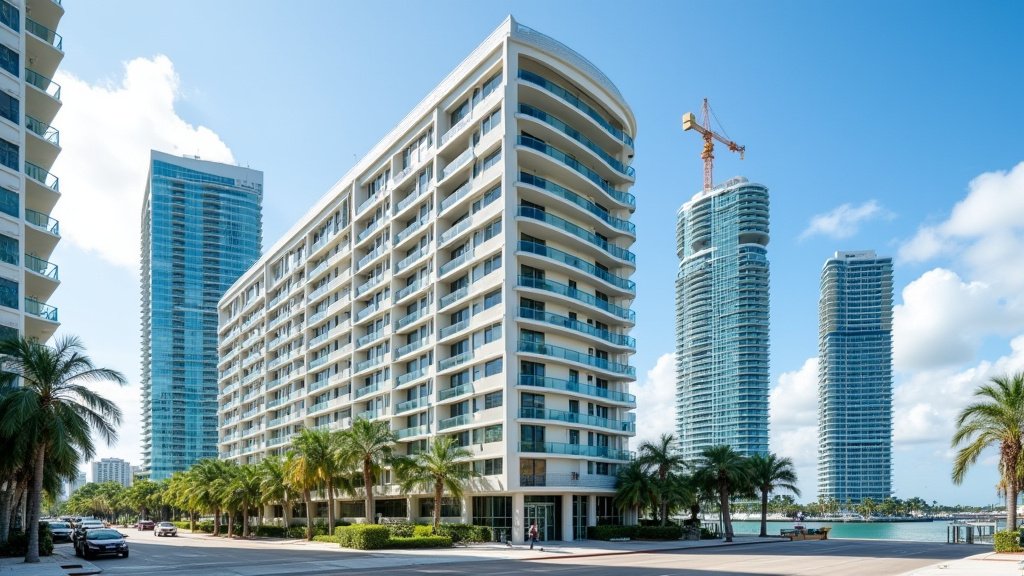
With the legal barriers removed, the focus shifts to the physical transformation of the waterfront. The plan is to replace the 192-unit, 1960s-era Biscayne 21 building with a state-of-the-art luxury condominium tower. This transition is indicative of the broader “verticalization” of Edgewater. The neighborhood has evolved from a collection of low-rise, older residential buildings into a dense, high-luxury urban corridor.
Two Roads Development is expected to move forward with the Edition Residences project, a brand-affiliated luxury development that promises to redefine the local architectural aesthetic. The project will leverage the unobstructed water views that made the original Biscayne 21 site so valuable, but with amenities, structural integrity, and architectural grandeur designed to attract the global ultra-high-net-worth market that is currently flocking to Miami.
Looking Ahead: The Future of Urban Redevelopment
The Biscayne 21 outcome provides a blueprint for how future disputes in Miami’s hyper-competitive real estate market might be navigated. For developers, the lesson is clear: legal costs and project delays associated with holdout owners can quickly escalate, often making early, aggressive settlements a more cost-effective strategy than protracted litigation. For homeowners in aging condo buildings, the Biscayne 21 case serves as a powerful reminder of the value of collective bargaining and the importance of expert legal representation when faced with developer acquisition pressure.
As the wrecking balls prepare to move in, the Biscayne 21 site stands as a monument to the shifting sands of Miami’s urban landscape—a place where the past met the future in a deal valued at $50 million. The closure of this chapter allows Edgewater to continue its transformation, solidifying its place as one of the most rapidly appreciating residential hubs in the United States.
FAQ: People Also Ask
What does the $50 million settlement cover?
The $50 million settlement covers the buyouts of the 10 remaining unit owners at Biscayne 21, resolving their claims and allowing Two Roads Development to take full control of the property to proceed with demolition and redevelopment.
Why did the Biscayne 21 legal battle last three years?
The battle lasted three years due to complex litigation regarding the Florida Condominium Act and the valuation of the units. The holdout owners contested the development plan, arguing that the terms of the termination were not fair or legally compliant, forcing the developer into extended negotiations.
What will be built on the site of Biscayne 21?
Two Roads Development plans to build a new luxury residential project, specifically the Edition Residences, which will feature modern design, high-end amenities, and expansive views of Biscayne Bay.
How does this affect other Miami condo owners?
This case serves as a precedent for homeowners in older buildings facing redevelopment pressure. It demonstrates that minority owners have legal mechanisms to contest terminations and that these disputes often result in high-value settlements when the land in question is highly desirable.