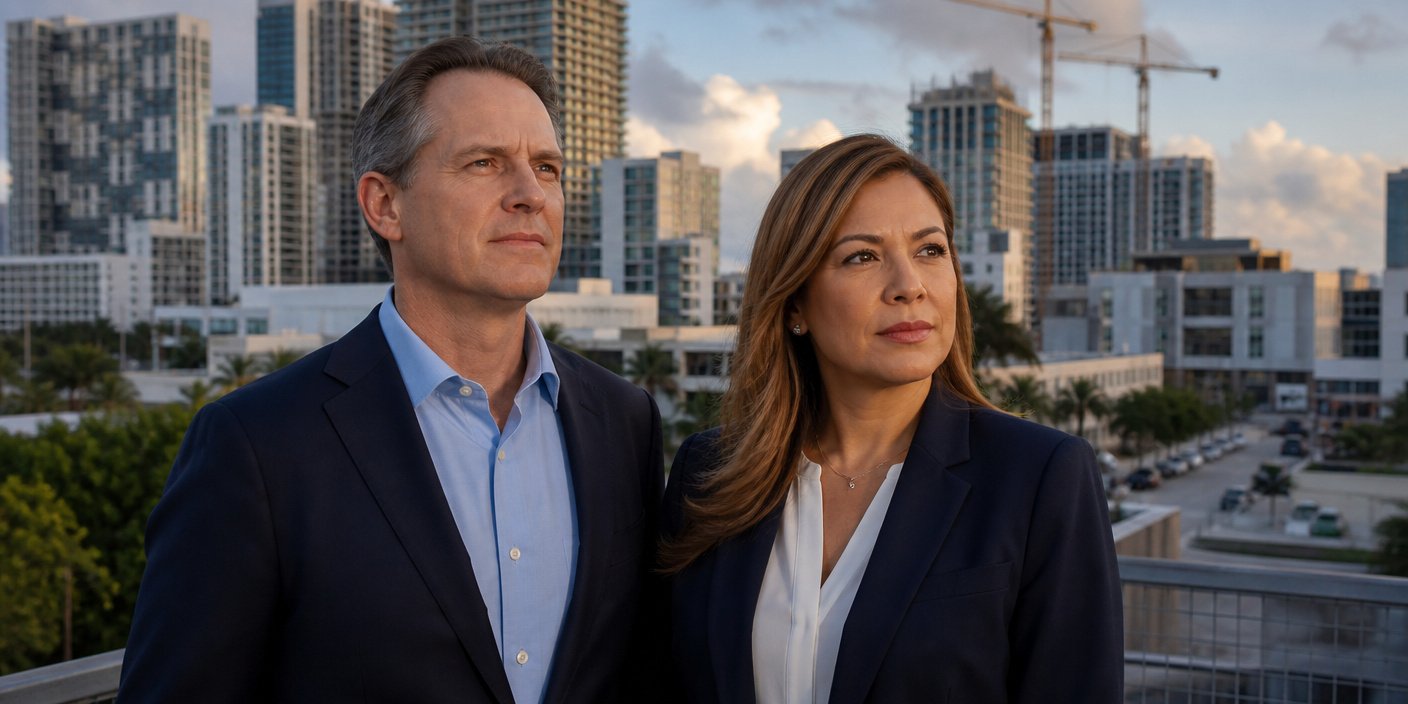
The political landscape of South Florida is bracing for a consequential runoff as Rob Piper faces off against incumbent Republican Vicki Lopez for the Miami-Dade County Commission’s District 5 seat. This race represents more than a local contest; it serves as a litmus test for the county’s future direction, with the potential to tip the balance of the 13-member commission. As Miami-Dade continues to grapple with rapid development, housing affordability, and infrastructural strain, voters are effectively deciding whether to maintain the current establishment or pivot toward a progressive challenger who has centered his campaign on dismantling the influence of special interests in local governance.
Key Highlights
- The Balance of Power: The result of the District 5 election is widely viewed as a potential turning point for the 13-member Commission, influencing whether Democratic or Republican viewpoints hold the legislative majority.
- Core Conflict: Rob Piper, the Democratic challenger, has staked his campaign on a platform of countering “special interests,” specifically targeting donor influence in zoning and urban development.
- The Incumbent’s Stance: Vicki Lopez, the Republican incumbent, emphasizes her track record and legislative experience, positioning herself as a pragmatic leader capable of navigating the county’s complex growth issues.
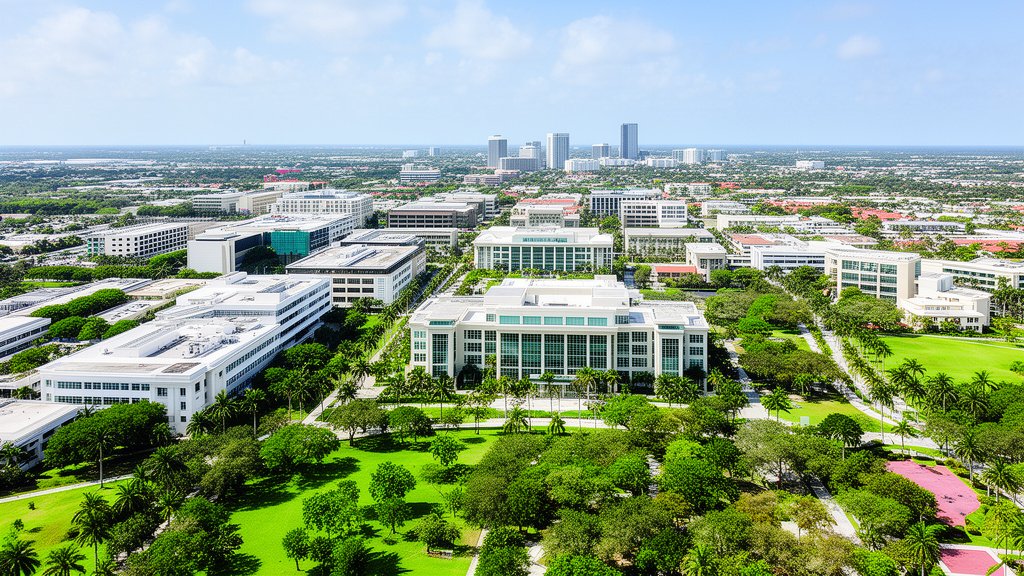
- Strategic Geography: District 5 encompasses key areas, including Brickell, parts of Downtown Miami, and Key Biscayne, making it a critical hub for the county’s economic and real estate policy.
The Battle for the Future of District 5
The Miami-Dade County Commission functions as the legislative body for one of the most populous and complex metropolitan areas in the United States. Its 13 members wield immense power over the county’s $10 billion-plus budget, transportation networks, and zoning laws. For the residents of District 5, the choice between Rob Piper and Vicki Lopez is a study in contrasting philosophies regarding how that power should be exercised.
The “Special Interests” Narrative
Rob Piper’s campaign has consistently pointed to the symbiotic relationship between real estate developers, political action committees (PACs), and local incumbents. By framing the election as a battle against “special interests,” Piper is appealing to a growing sentiment among voters frustrated by the pace of gentrification and the perceived prioritization of luxury high-rise development over the needs of existing residents. His rhetoric targets the systemic issue of how campaign financing can inadvertently shape land-use decisions, a critical concern in a district undergoing rapid physical transformation.
The Incumbent’s Defense
Conversely, Vicki Lopez brings the weight of incumbency to the race. Her platform focuses on continuity and the utilization of her existing relationships within the state and local government to deliver resources to District 5. Supporters argue that experience is essential for navigating the legislative intricacies of the county commission, where the ability to build consensus across the 13-member body is often more effective than an ideological crusade. Lopez frames her approach as “get-it-done” governance, aiming to mitigate traffic congestion and enhance public safety without destabilizing the economic engines that drive the local tax base.
Navigating a Post-2020 Political Reality
One of the most compelling aspects of this race is how it reflects the broader political evolution of Miami-Dade County. Once considered a Democratic stronghold, the county has seen significant shifts in voter registration and ideological leanings over the past few years. This runoff tests whether a progressive candidate can mobilize the Democratic base effectively enough to overcome the Republican trends that have successfully gained ground in South Florida elections. The turnout in this runoff will likely be determined by which campaign can more effectively mobilize its “get-out-the-vote” operations in a non-partisan-labeled race that is, in practice, deeply ideological.
Economic Implications and Future Planning
Beyond the political theater, the outcome will directly influence policy regarding the Miami-Dade County “Comprehensive Development Master Plan.” The next commissioner will have a direct hand in approving density variances and infrastructure spending. If Piper wins, observers expect a pivot toward stricter oversight on development projects, potentially increasing the requirements for affordable housing units in new construction. If Lopez retains the seat, the current trajectory of development is expected to continue, with a focus on streamlining permitting processes to encourage economic growth. The business community, particularly those in the real estate sector, is watching this contest with high interest, as the vote count in District 5 could signal a change in the regulatory climate for the entire region.
FAQ: People Also Ask
Q: Why is the District 5 race so important for the whole county?
A: The 13-member commission is responsible for county-wide policy. The result of this specific seat can shift the ideological majority of the commission, directly affecting how the entire county handles zoning, transportation funding, and municipal budgets.
Q: Is the Miami-Dade Commission election partisan?
A: While the candidates often carry party affiliations, the commission seats are technically non-partisan. However, voters frequently align their choices with the candidates’ party-supported ideologies and endorsements.
Q: What are the main issues defining the Piper vs. Lopez runoff?
A: The primary issues include the influence of real estate developers on local policy, housing affordability, traffic congestion management, and the overall pace of urban density growth in the District 5 area.