In a strategic move that bridges urban infrastructure with renewable energy goals, Miami-Dade County has officially selected a preferred firm to begin negotiations for the sale of landfill gas. This decision represents a significant pivot in how the county manages its waste-derived emissions, shifting the focus from simple environmental compliance to the commercialization of methane captured from its primary landfill facilities. By converting waste byproduct into a marketable commodity, the county is positioning itself at the forefront of municipal sustainability efforts while potentially creating a new, long-term revenue stream.
Key Highlights
- Strategic Partnership: The county has identified a single preferred firm to enter into formal negotiations, streamlining the procurement process for the commercialization of landfill gas.
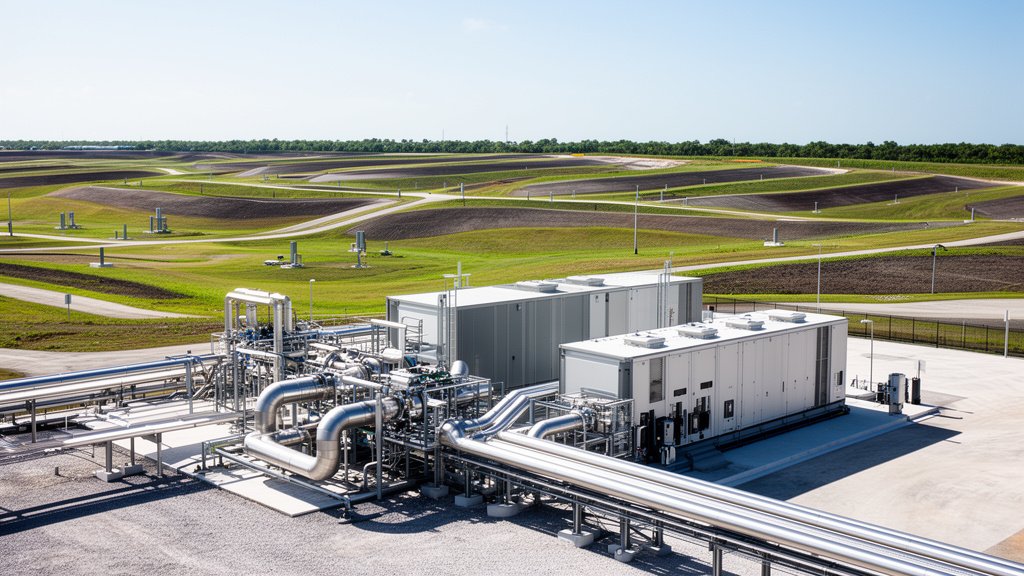
- Monetization of Methane: The project focuses on capturing methane—a potent greenhouse gas—produced by the decomposition of waste at Miami-Dade’s major landfill sites and processing it for sale.
- Infrastructure Upgrade: This initiative involves integrating new gas-capture technology into existing facilities, representing a modernization of the county’s solid waste infrastructure.
- Environmental Impact: By extracting and processing landfill gas, the county aims to significantly reduce methane emissions, aligning with federal environmental guidelines and local sustainability mandates.
Transforming Waste into Renewable Revenue
The decision by Miami-Dade County to monetize landfill gas is not merely an operational update; it is an economic and environmental evolution. Historically, landfills have been viewed as final destinations for waste, sites where the primary objective was containment and management. However, the biological reality of organic waste decomposition—the generation of landfill gas, which consists largely of methane and carbon dioxide—offers a significant, untapped energy opportunity.
The Science of Gas-to-Energy
Landfill gas (LFG) is created through the anaerobic decomposition of organic waste. Methane, the primary component of this gas, is a greenhouse gas with a warming potential significantly higher than that of carbon dioxide over a 20-year period. By installing extraction wells and vacuum systems, municipalities can capture this gas before it migrates into the atmosphere. Once captured, the gas is typically cleaned and processed. The proposed negotiation in Miami-Dade will focus on determining the most effective route for this gas: whether it will be refined into Renewable Natural Gas (RNG) for injection into pipeline networks, or utilized in on-site electrical generation.
The choice to select a single partner for negotiations, rather than an open-market solicitation or a multi-vendor split, suggests the county is looking for a specialized firm with specific expertise in complex infrastructure projects. This approach minimizes administrative friction and allows for a more cohesive integration of the capture technology across the county’s specific landfill locations.
Economic and Infrastructure Implications
The financial model for this project rests on the value of RNG. As industries across the United States face increasing pressure to decarbonize, the demand for RNG has surged. By securing a partnership for the sale of this gas, Miami-Dade is essentially transforming a waste liability into an asset. This deal is expected to offset some of the costs associated with operating the Department of Solid Waste Management, providing a unique revenue source that is tied to waste volume—a consistent, albeit often overlooked, commodity.
Furthermore, this infrastructure upgrade will likely require substantial capital investment from the partner firm. In exchange for the rights to the landfill gas, the private partner assumes the risks of processing and distribution. This arrangement protects the county from the volatility of energy markets while ensuring the landfills are outfitted with the latest in emissions-control technology. This model is becoming increasingly common in municipal waste management, providing a blueprint for other urban centers dealing with aging infrastructure.
Long-Term Sustainability Goals
Beyond the revenue potential, this negotiation reflects a broader commitment to climate resilience in South Florida. Miami-Dade County has been aggressive in its climate action planning, aiming to reduce the total carbon footprint of county operations. By preventing the release of methane, the county is taking a proactive step in local emissions reduction.
The integration of landfill gas projects into the energy grid is a cornerstone of the U.S. Environmental Protection Agency’s Landfill Methane Outreach Program (LMOP). By participating in this sector, Miami-Dade is not only meeting regulatory benchmarks but also positioning itself as a leader in circular economy practices. The success of these negotiations could pave the way for future waste-to-energy projects, potentially expanding the scope of what the county can recover from its waste streams.
FAQ: People Also Ask
1. What happens to the methane captured at the landfill?
Once captured, the landfill gas is cleaned of moisture and impurities. It is then typically processed into Renewable Natural Gas (RNG), which can be used just like conventional natural gas, or it is burned to generate electricity for the local grid.
2. How does this benefit Miami-Dade residents?
Residents benefit through the reduction of greenhouse gas emissions, improving local air quality, and potentially reducing the tax burden on waste management operations through the new revenue generated from the sale of the gas.
3. Why did the county select a single firm for negotiation?
Selecting a single preferred firm allows the county to negotiate a comprehensive contract that ensures high-level technical expertise and streamlined infrastructure installation, reducing the risks associated with managing multiple vendors in a complex energy project.
4. Is this project part of a larger climate strategy?
Yes, this is a key component of Miami-Dade County’s broader sustainability and climate action plan, aimed at reducing the carbon footprint of municipal operations and promoting renewable energy adoption.