Key Takeaways
- Official Confirmation: President Miguel Díaz-Canel confirmed high-level talks between Havana and the Trump administration to resolve long-standing bilateral differences.
- Strategic Caution: Despite the dialogue, Díaz-Canel warned that the two nations are in the “initial phases” and an agreement is still far off.
- Energy Crisis: The talks come as Cuba faces a catastrophic fuel shortage; the island has received no oil shipments in three months due to a U.S.-led blockade.
- Prisoner Release: In a gesture of good faith, Cuba announced the release of 51 prisoners, a move brokered by the Vatican to ease tensions.
- Maximum Pressure: The Trump administration continues to leverage economic sanctions and threats of a “friendly takeover” to force political concessions.
Summary Lead
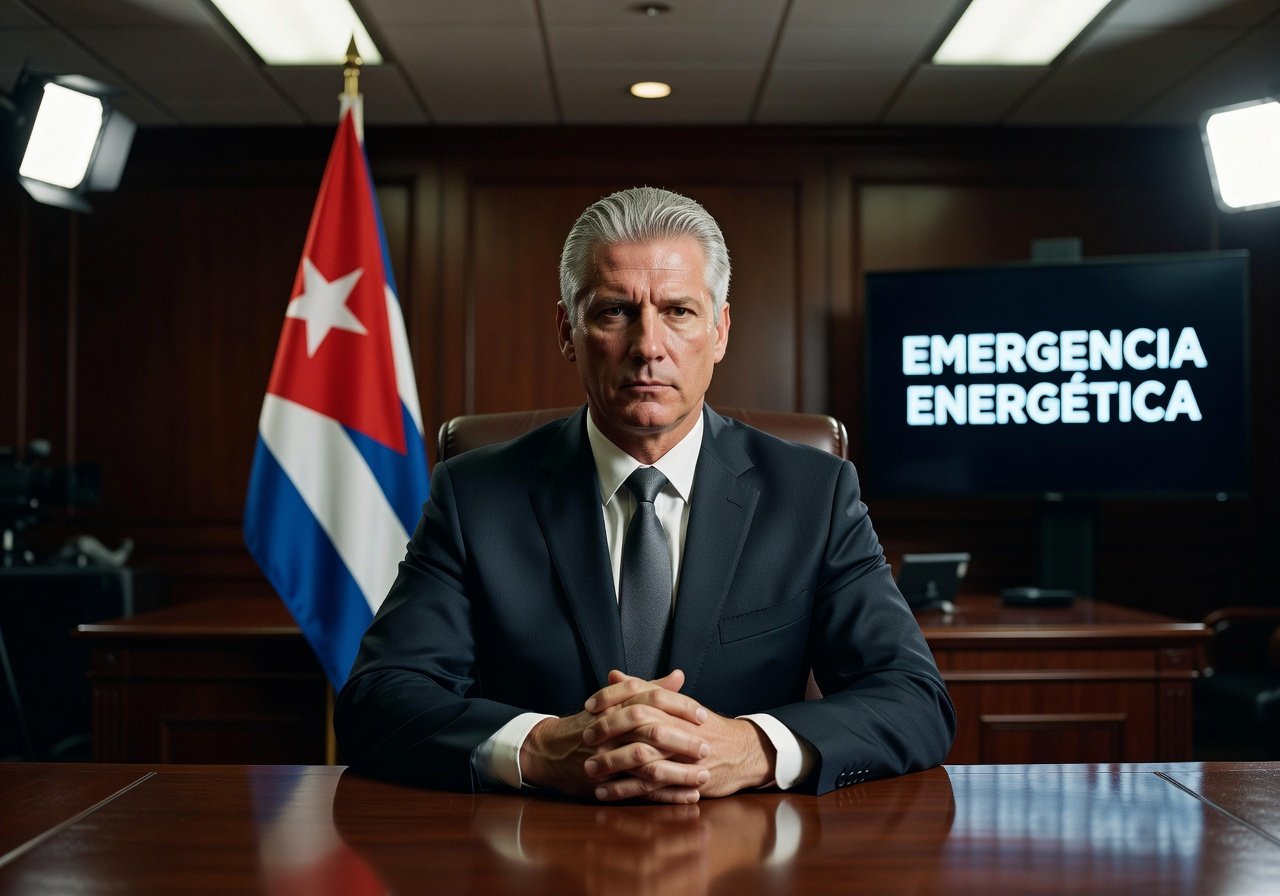
In a landmark televised address on Friday, March 13, 2026, Cuban President Miguel Díaz-Canel officially confirmed that his government has entered into direct negotiations with the Trump administration. Speaking from the headquarters of the Communist Party in Havana, Díaz-Canel acknowledged that the “Cuba Trump administration talks” are a response to an escalating humanitarian and energy crisis on the island. While the move signals the most significant diplomatic shift since the Obama-era thaw, the Cuban leader was quick to manage expectations, stating that the two nations remain deeply divided on fundamental issues of sovereignty and political structure.
The Deep Dive
A Nation in the Dark: The Energy Catalyst
The driving force behind Havana’s willingness to sit at the table is a dire economic reality. Since early 2026, Cuba has been under a total energy siege. Following the U.S. military operation in Venezuela in January and the subsequent removal of Nicolás Maduro, Cuba’s primary oil lifeline was severed. President Trump followed this by signing Executive Order 14380, which declared a national emergency and threatened heavy tariffs on any nation—including traditional allies like Mexico—that attempted to ship crude oil to the island.
“For three months, no fuel ships have arrived,” Díaz-Canel admitted during his Friday press conference. “We are working under very adverse conditions that are having an impact on the lives of all our people.” The results have been devastating: rolling blackouts lasting up to 18 hours, a collapse in water pumping systems, and a complete standstill of the tourism sector. This “maximum pressure” campaign, dubbed “Cubastroika” by some Washington insiders, has effectively forced the Communist leadership to seek a diplomatic exit ramp to avoid total state collapse.
The Vatican’s Hidden Hand and the Prisoner Release
As a precursor to the public confirmation of talks, Cuba announced the release of 51 prisoners. This move was not a unilateral decision but the result of quiet mediation by the Vatican. Historically, the Holy See has played a pivotal role in U.S.-Cuba relations, and this recent intervention mirrors the diplomacy seen in 2014.
While the identities of the 51 individuals remain undisclosed, analysts suggest they include several high-profile political detainees arrested during the 2021 protests. “This is a first step of good faith,” noted Dr. Andy Gomez, a professor of Cuban studies. However, the Trump administration has signaled that a few dozen releases will not be enough to lift the oil blockade. The White House is reportedly pushing for systemic electoral reforms and the legal recognition of opposition parties—demands that Díaz-Canel has characterized as infringements on “sovereign equality.”
The Rubio Connection and Secret Channels
While Díaz-Canel is the public face of these negotiations, reports indicate that the real movement is happening in the shadows. U.S. Secretary of State Marco Rubio has reportedly been leading a secret channel of communication. These talks allegedly involve direct contact with the younger generation of the Castro family, specifically Raúl Guillermo Rodríguez Castro, bypassing traditional bureaucratic hurdles.
President Trump has leaned into this narrative, posting on Truth Social that Cuba is “at the end of the line” and “eager to reach an agreement.” The administration’s strategy appears to be one of transactional diplomacy: providing energy relief and a lifting of travel bans in exchange for a managed political transition. Díaz-Canel, however, remains insistent that any agreement must respect the political system chosen by the Cuban people, suggesting that the distance between Washington’s demands and Havana’s concessions remains a vast chasm.
Geopolitical Stakes in the Caribbean
The outcome of these talks has implications far beyond the Florida Straits. For the Trump administration, a deal with Cuba would represent a final piece in a regional realignment following the intervention in Venezuela. For Díaz-Canel, it is a fight for the survival of the Cuban Revolution in its most fragile state since the Special Period of the 1990s. As the initial phases of the dialogue begin, the world watches to see if “the art of the deal” can resolve a seventy-year-old Cold War stalemate or if the two nations are headed toward a more volatile confrontation.
FAQ: People Also Ask
Why is Cuba talking to the Trump administration now?
Cuba is facing its worst energy crisis in decades. A U.S. oil blockade, initiated after the fall of the Maduro government in Venezuela, has left the island without fuel for three months, leading to widespread blackouts and social unrest.
What are the U.S. demands in these negotiations?
The Trump administration, led by Secretary of State Marco Rubio, is reportedly demanding significant political reforms, the release of all political prisoners, and an eventual transition away from the current Communist system in exchange for lifting economic sanctions.
Has a deal been reached between the U.S. and Cuba?
No. President Miguel Díaz-Canel stated that the process is in its “initial phases” and that the two countries are still “far off” from a formal agreement due to fundamental disagreements over sovereignty and internal political structures.