Key Takeaways
- Official Confirmation: President Miguel Díaz-Canel confirmed on March 13, 2026, that Cuba is engaged in direct, high-level talks with the Trump administration.
- Energy Crisis: The announcement follows a three-month total blockade on fuel shipments, which has left the island facing unprecedented blackouts and a shuttered economy.
- Diplomatic Channels: Negotiations have been facilitated by international intermediaries, including the Vatican, and reportedly involved meetings in Saint Kitts.
- Prisoner Release: Cuba has announced the release of 51 prisoners as a gesture of good faith to facilitate further economic dialogue.
- Trump’s Leverage: The U.S. administration is utilizing a “maximum pressure” strategy following the January 2026 removal of Venezuelan President Nicolás Maduro.
Summary Lead
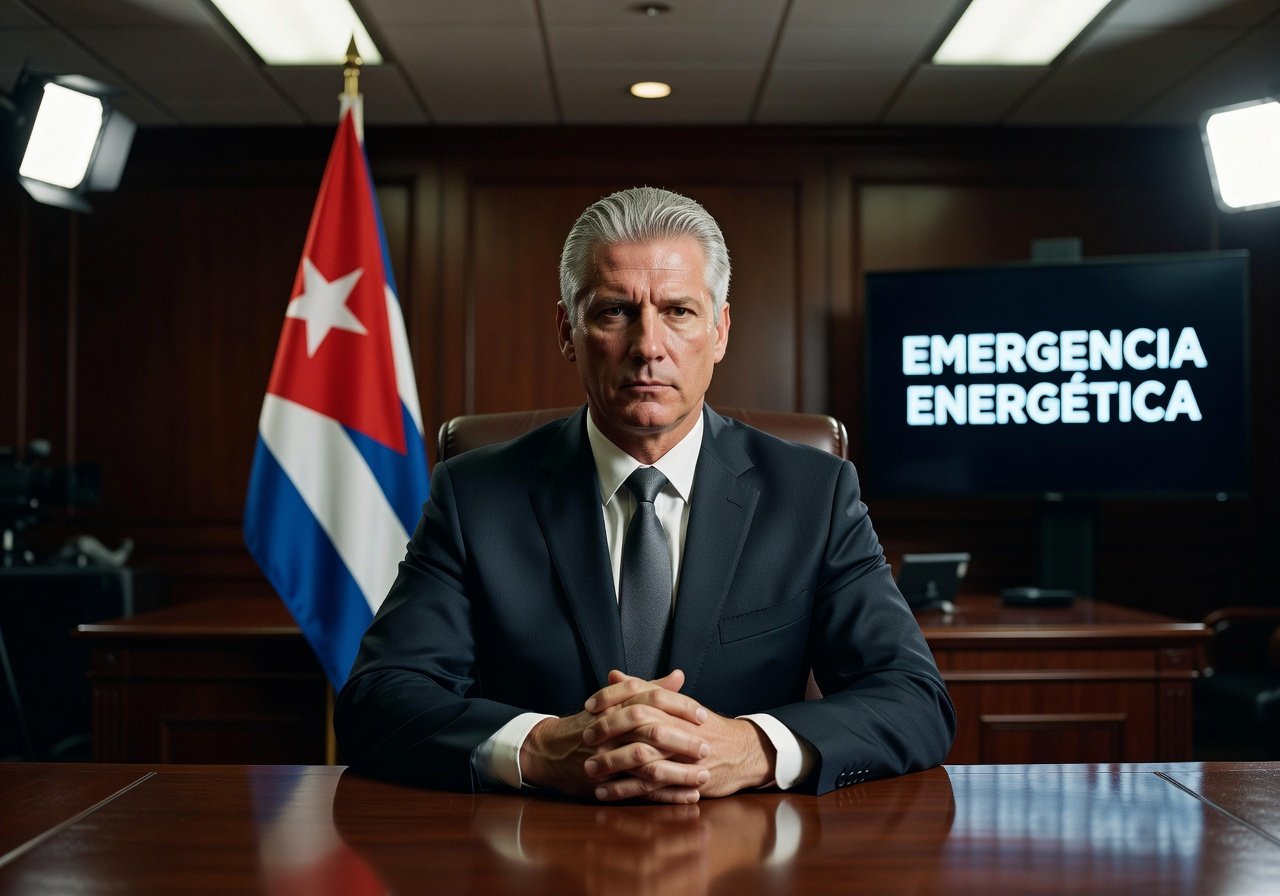
HAVANA, CUBA — In a move that signals a potential tectonic shift in Caribbean geopolitics, Cuban President Miguel Díaz-Canel confirmed on Friday, March 13, 2026, that his government is engaged in high-level talks with the Trump administration. Speaking in a nationally televised address, Díaz-Canel acknowledged the existence of discreet channels aimed at resolving “bilateral differences” between the two long-standing adversaries. This confirmation comes as Cuba grapples with its most severe humanitarian and energy crisis in decades, exacerbated by a stringent U.S. oil blockade that has prevented fuel shipments from entering the country for 90 days. While the White House has largely remained silent, President Donald Trump bolstered the news by reposting reports of the talks on Truth Social, suggesting that a “deal” may be imminent.
The Deep Dive
The landscape of U.S.-Cuba relations has undergone a radical transformation since the start of 2026. Following the U.S.-led operations in Venezuela earlier this year, Havana found itself isolated and deprived of its primary energy benefactor. The subsequent “oil siege” orchestrated by the Trump administration has crippled the island’s power grid, forcing the government to implement draconian fuel-saving measures and leaving millions in the dark. It is against this backdrop of systemic collapse that Díaz-Canel has chosen to pivot toward the negotiating table.
The Saint Kitts Connection and Secret Diplomacy
While speculation about back-channel communications has swirled for weeks, reports indicate that the most significant breakthrough occurred in late February 2026. Secretary of State Marco Rubio, a long-time architect of hardline Cuba policy, reportedly dispatched senior advisors to Saint Kitts and Nevis to meet with Raúl Guillermo Rodríguez Castro—the grandson and influential security chief of the late Raúl Castro. These secret meetings laid the groundwork for the current “initial phase” of talks.
Díaz-Canel characterized these exchanges as “sensitive and discreet,” emphasizing that the primary objective is to identify bilateral problems that require urgent solutions based on their severity and impact on the civilian population. He maintained that any formal agreement must be based on “sovereignty and self-determination,” though the dire economic situation suggests that Havana’s leverage is at an all-time low.
The Energy Blockade as a Catalyst
The catalyst for this diplomatic opening is undeniably the catastrophic energy shortage. In his Friday address, Díaz-Canel admitted that no fuel has entered Cuban ports for three months. The impact has been devastating: surgeries have been postponed, schools have closed, and over 100 bakeries have been converted to run on firewood. The President’s tone, while firm regarding revolutionary principles, lacked the aggressive anti-imperialist rhetoric typical of past addresses, signaling a desperate need for sanctions relief.
President Trump, meanwhile, has framed the situation with his signature “Art of the Deal” bravado. During a recent event in Florida, Trump remarked that Cuba was “very much at the end of the line” and suggested that a “friendly takeover” or a massive economic restructuring was the only path forward for the island. The U.S. administration appears to be leveraging the energy crisis to extract significant concessions, potentially including the return of nationalized properties or a total overhaul of the Cuban economic system.
Humanitarian Gestures and the Vatican’s Role
To demonstrate a willingness to negotiate, the Cuban Ministry of Foreign Affairs announced the release of 51 prisoners, a move reportedly brokered by the Vatican. Pope Francis has long served as a bridge between Washington and Havana, and his involvement is seen as a crucial stabilizing factor in these volatile negotiations. This gesture of good faith is intended to signal to the international community that Cuba is ready for a “new era” of engagement, even if the terms of that engagement are being dictated by the White House.
The Path Ahead: Deal or Deadlock?
As the two nations move away from decades of confrontation, the ultimate goal remains opaque. Some analysts suggest that Trump is seeking a legacy-defining economic pact that would open Cuba to American real estate and tourism investment in exchange for lifting the blockade. Others fear that the administration’s demand for “regime change”—voiced repeatedly by Secretary Rubio—may remain a non-starter for the Communist Party leadership.
For now, the people of Cuba remain in a state of anxious anticipation. While the news of talks has brought a glimmer of hope to the darkened streets of Havana, the reality of the oil siege continues to dominate daily life. Whether this high-level diplomacy results in a historic opening or simply a temporary reprieve remains the defining question of 2026 Caribbean policy.
FAQ: People Also Ask
Is there a formal deal between Trump and Cuba?
No formal agreement has been signed as of March 13, 2026. President Díaz-Canel described the current talks as being in the “initial phases” aimed at identifying problems and potential solutions.
Why is Cuba talking to the U.S. now?
Cuba is facing its worst energy crisis in history due to a U.S. oil blockade and the loss of Venezuelan support. With no fuel entering the country for three months, the government has been forced to seek a diplomatic off-ramp to prevent total social collapse.
What role is Marco Rubio playing in the negotiations?
As Secretary of State, Marco Rubio is a lead figure in the administration’s Cuba policy. His aides were reportedly involved in the secret Saint Kitts meetings that paved the way for the current high-level confirmation by Havana.