The Miami nightlife landscape is undergoing a subtle yet profound sonic transformation. On November 27, the city welcomes ‘Camino del Sol,’ a new party series hosted at the beloved Las Rosas venue, designed specifically for those who prioritize the integrity of the sound system above the flash of VIP bottle service. Drawing explicit inspiration from the legendary, sprawling Despacio experience—the audiophile dance concept co-created by Soulwax and James Murphy—Camino del Sol aims to carve out a permanent home for high-fidelity, dancer-first club culture in South Florida.
- Launch Date: The inaugural event kicks off on November 27, signaling the start of a recurring series.
- Venue: Located at the Las Rosas venue, a staple of the Miami music scene known for its intimate atmosphere.
- Curatorial Vision: Inspired by the ‘Despacio’ philosophy, the series emphasizes sonic clarity, long-form mixing, and a dance-floor-centric environment.
- Talent: The debut features a headline live performance by Yung Americans, supplemented by multi-genre back-to-back (B2B) sets.
A New Sonic Architecture for Miami Nightlife
The Despacio Influence: Why Fidelity Matters
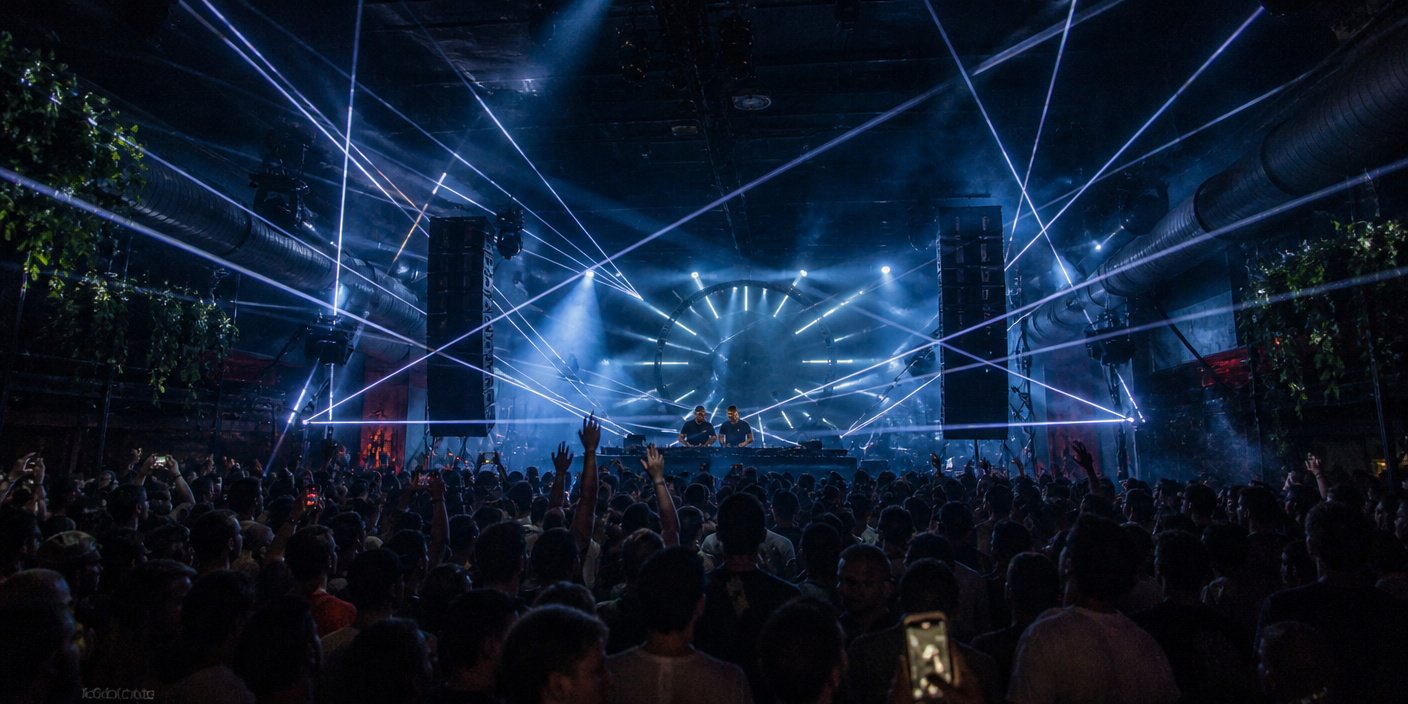
For years, Miami’s club culture has been dominated by massive, high-production venues that prioritize sightlines and celebrity appearances. Camino del Sol represents a necessary counter-movement. By referencing the Despacio legacy, the organizers are signaling a move toward ‘listening-first’ nightlife. In a traditional club setting, the DJ is often relegated to a background role, providing a soundtrack for conversation. However, the Despacio model—which utilizes a bespoke, massive sound system to ensure every frequency is crisp regardless of where you stand on the floor—changes the dynamic entirely. It forces the audience to engage with the music, to listen, and subsequently, to dance. For the attendees at Las Rosas this November, this translates to an immersive experience where the curation of the setlist is treated as a high-art form, prioritizing emotional journey over hit-chasing.
Analyzing the Las Rosas Venue
Las Rosas has long served as a crucial cultural hub, fostering local talent and hosting eclectic programming that separates it from the rigid hierarchy of Miami Beach megaclubs. By selecting Las Rosas as the host for Camino del Sol, the organizers have opted for authenticity over artifice. The venue’s architecture provides the perfect ‘black box’ canvas. This isn’t about stadium-sized LEDs or pyrotechnics; it is about the interplay between light, sound, and a crowded, sweaty, connected dance floor. The transition into a ‘sound-forward’ venue requires specific logistical adjustments—better acoustic treatment, sound-system calibration, and a lighting scheme that focuses on the dance floor rather than the DJ booth. This shift is reflective of a wider trend in global nightlife: the ‘post-EDM’ pivot, where urban centers are reinvesting in smaller, intimate spaces that offer longevity rather than fleeting spectacle.
The Talent: Yung Americans and the B2B Dynamic
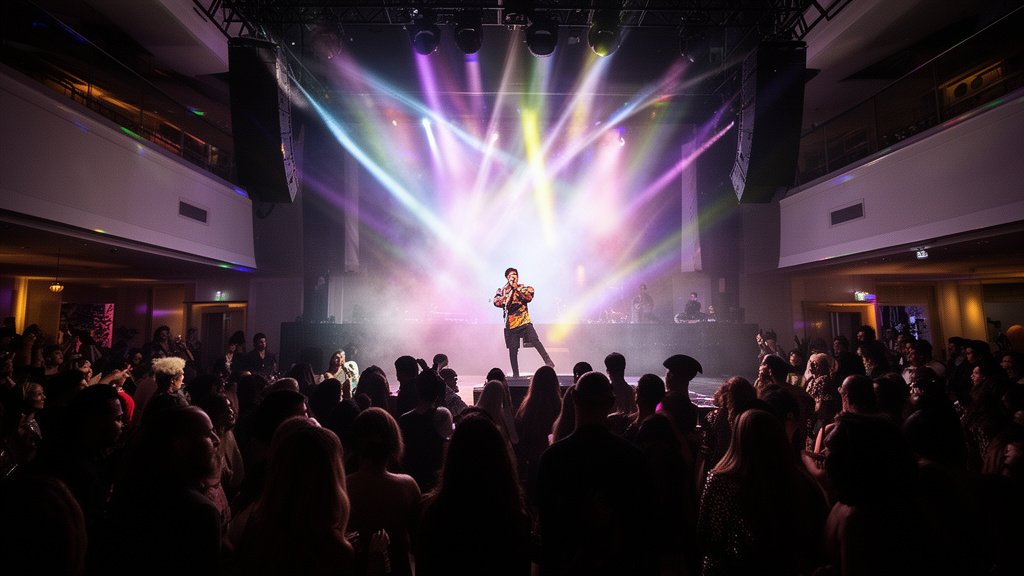
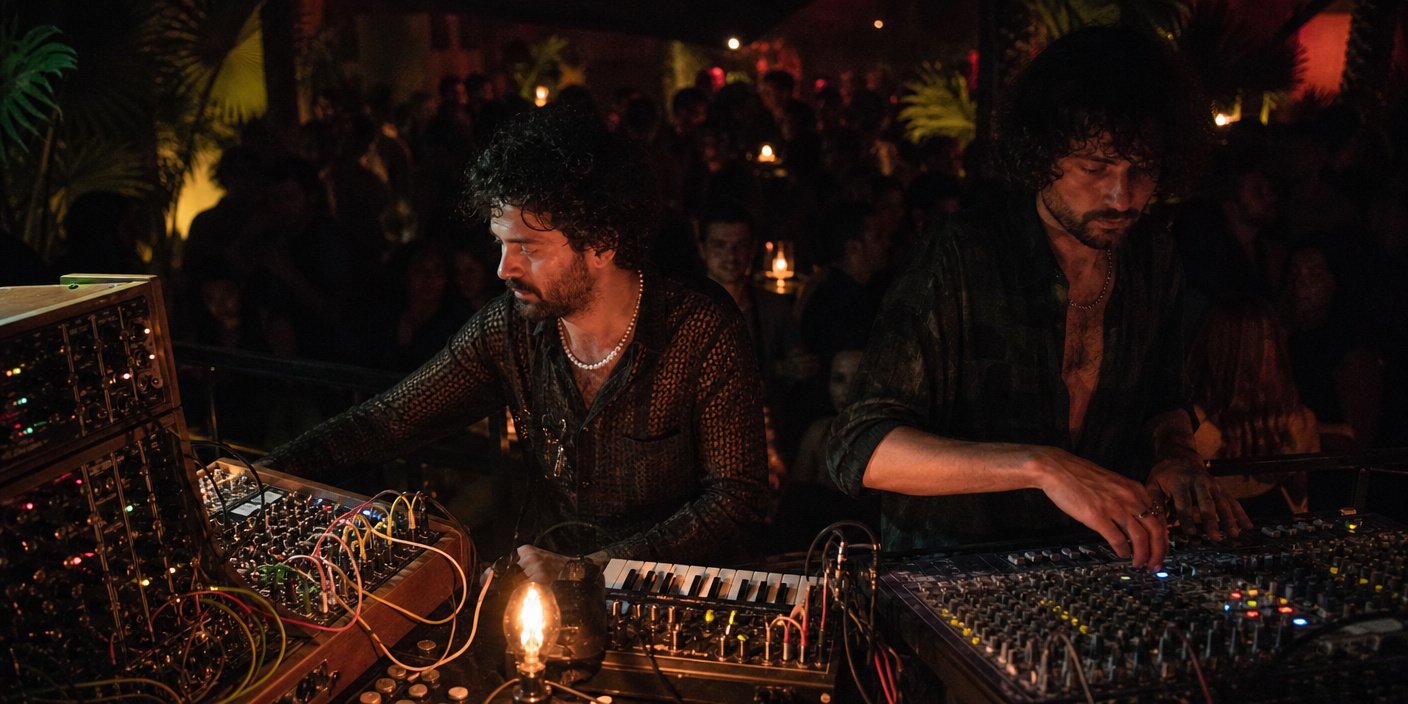
At the center of this launch is the live performance by Yung Americans. In an era where laptop-driven DJing has become standard, the decision to book live acts and emphasize B2B (back-to-back) sets is a strategic choice. A B2B set is fundamentally improvisational; it is a musical conversation between two selectors who must react to the room and to each other in real-time. This unpredictability is the lifeblood of a successful dance party. By combining a live act with these collaborative DJ sets, the series is positioning itself as a hybrid event—somewhere between a live concert and a traditional rave. This ensures that the energy remains dynamic, preventing the set from becoming stale or predictable. The curators are betting that the audience is craving this level of musical craftsmanship.
Future Implications and Secondary Angles
There are three distinct secondary angles to consider regarding the launch of Camino del Sol.
Firstly, the economic pivot in Allapattah and neighboring districts. As gentrification pushes traditional nightlife away from the coastline, venues like Las Rosas become the anchors of a new cultural district. The success of an event like Camino del Sol could lead to increased investment in the surrounding infrastructure, creating a ripple effect that benefits smaller hospitality businesses.
Secondly, the democratization of ‘Audiophile’ clubbing. Historically, high-fidelity sound experiences were limited to high-cost pop-ups or exclusive, expensive festivals. If Camino del Sol succeeds at a local venue, it proves that this model is scalable and sustainable for mid-tier venues, effectively democratizing access to high-quality audio experiences.
Finally, we must look at the ‘Future of the Dancer.’ Modern club-goers are increasingly tech-weary and looking for ‘analog’ experiences. The absence of heavy phone usage in a sound-forward environment is often a side effect of good music. If Camino del Sol creates a ‘no-distraction’ vibe, it could set a standard for local clubs to follow, prioritizing the mental well-being of the patron over the social media clout of the venue.
FAQ: People Also Ask
What does ‘sound-forward’ mean in this context?
It means the venue has prioritized high-fidelity audio equipment and acoustic tuning to ensure that the music is the primary focus of the event, rather than bottle service or visual spectacles.
Is Camino del Sol affiliated with the actual Despacio tour?
While it is not an official extension of the touring Despacio brand, the organizers cite Despacio as a core philosophical inspiration for the event’s curation, atmosphere, and focus on sonic quality.
What kind of music will be played at the debut?
Expect a multi-genre approach, which is typical of the ‘Despacio’ ethos. This often involves a mix of deep house, disco, rare grooves, and electronic music designed to keep the dance floor moving for extended periods, complemented by the live elements from Yung Americans.