American Airlines (AA) is at the forefront of **Hurricane Melissa Relief** efforts, actively assessing post-storm needs and preparing to provide critical assistance to Caribbean territories devastated by Hurricane Melissa, a powerful Category 5 storm. The airline has suspended operations at several key airports, prioritizing the safety of its customers and team members while collaborating with community partners to address the urgent needs of affected populations through dedicated **Hurricane Melissa Relief**.
Hurricane Melissa’s Catastrophic Impact and the Need for Hurricane Melissa Relief
Hurricane Melissa, described as the strongest storm globally in 2025 and the worst to hit Jamaica in decades, made landfall with devastating force. Its trajectory has impacted multiple islands, including Jamaica, Cuba, the Bahamas, and the Turks and Caicos Islands. In Jamaica, the hurricane brought catastrophic, life-threatening conditions, including hurricane-force winds and torrential rainfall, leading to severe flash floods and landslides. Projections indicated storm surges of up to 13 feet, threatening coastal communities and causing extensive infrastructure damage. The storm has been dubbed the “storm of the century” for Jamaica, with estimates suggesting that around 1.5 million people on the island alone could be affected, highlighting the immense scale of the humanitarian challenge and the critical need for **Hurricane Melissa Relief**. The economic toll on these small island developing states, which are highly vulnerable to such extreme weather events, is also substantial, with past hurricanes causing damage equivalent to significant percentages of their GDP. This makes the **Hurricane Melissa Relief** efforts even more vital.
AA’s Operational Response for Hurricane Melissa Relief
In response to Hurricane Melissa’s approach and aftermath, American Airlines has implemented significant operational adjustments to ensure the safety of its passengers and crew, as part of its broader commitment to **Hurricane Melissa Relief**. The airline suspended all operations at Jamaica’s Norman Manley International Airport (KIN), Ian Fleming International Airport, and Sangster International Airport (MBJ) due to airport closures. Operations at other regional airports in Hurricane Melissa’s path were also suspended or are under close evaluation. A comprehensive travel alert, initially issued on October 24, 2025, was expanded to cover eight airports across the affected region, including locations in Jamaica, Cuba, and the Turks and Caicos Islands, necessitating robust **Hurricane Melissa Relief** planning.
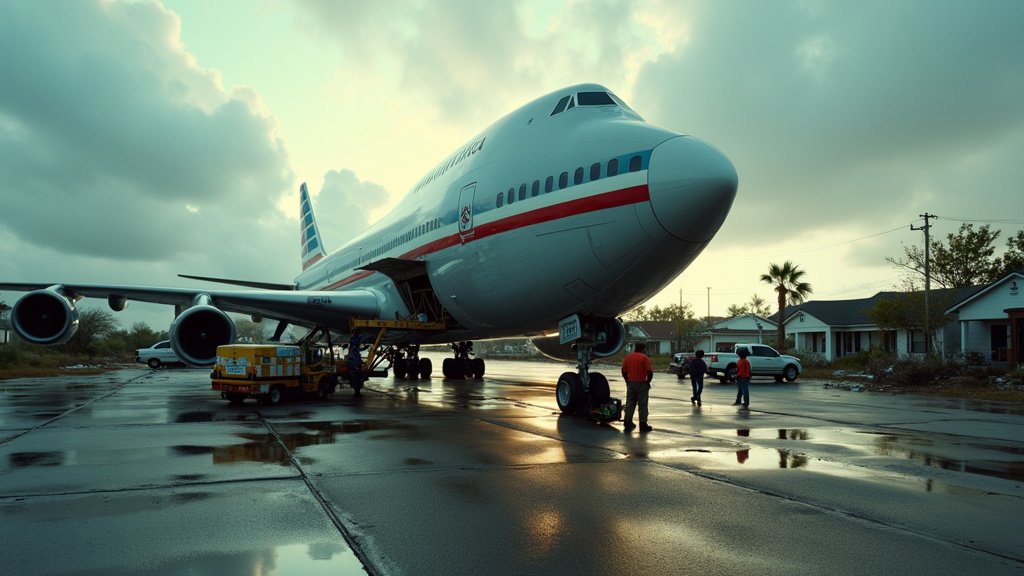
To accommodate customers impacted by these disruptions, American Airlines is offering flexibility as part of its **Hurricane Melissa Relief** program. Passengers holding tickets for travel to or from these affected airports between October 25, 2025, and November 1, 2025, can rebook their travel for a future date without incurring a change fee, provided the new travel dates fall within specific windows and the origin/destination cities remain the same. Changes must be booked by November 1, 2025, and travel must be completed within one year of the original ticket date, with fare differences potentially applying. The airline has also taken proactive measures, such as operating extra flights to Miami from affected areas like Montego Bay and Providenciales ahead of airport closures, and upgrading aircraft capacity to help customers depart safely before the storm’s impact. Fares for direct flights departing from airports covered by the travel alert have been capped to prevent price gouging during this critical period of **Hurricane Melissa Relief**. This news underscores the airline’s commitment to assisting its travelers during severe weather events and contributing significantly to **Hurricane Melissa Relief**. The **American Airlines aid** is a cornerstone of these efforts.
Assessing Needs for Hurricane Melissa Relief and Preparing for Relief Efforts
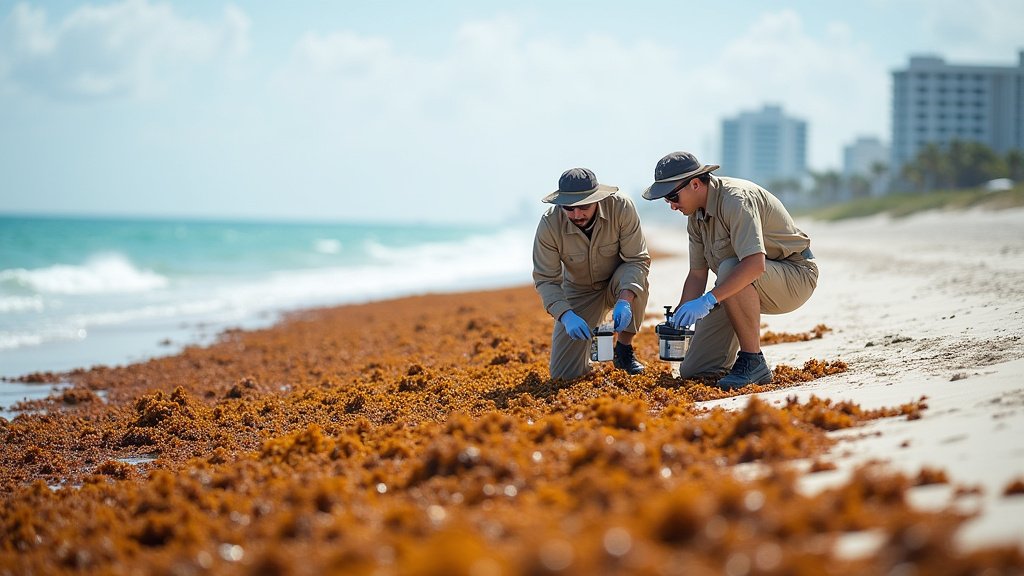
Beyond managing flight operations, American Airlines’ primary focus is on supporting affected communities with essential **Hurricane Melissa Relief**. The airline is actively working with its community partners to conduct thorough assessments of post-storm relief needs. This collaborative approach allows AA to understand the most pressing requirements on the ground, from immediate necessities like food and water to longer-term rebuilding support. This initiative is a critical step in coordinating aid effectively and ensuring that relief efforts are targeted and impactful, forming the backbone of **Hurricane Melissa Relief**. The airline’s top priority remains the safety and well-being of its customers and team members, alongside its commitment to assisting communities navigating the aftermath of the hurricane through diligent **Hurricane Melissa Relief**.
Broader Humanitarian Response and Logistical Challenges in Hurricane Melissa Relief
American Airlines’ efforts are part of a larger, coordinated humanitarian response involving various non-governmental organizations (NGOs) and international bodies focused on providing **Hurricane Melissa Relief**. Organizations such as CORE, Direct Relief, and Airlink are mobilizing to deliver essential relief items, conduct medical assessments, and provide immediate cash assistance in areas like Jamaica and Haiti. The World Food Programme (WFP) is also working with partners to coordinate logistics, cash, and emergency supplies across affected nations, pre-positioning food and essential items in regions like Cuba and the Dominican Republic to ensure an immediate response to potential disruptions. Airlink, for instance, partners with major airlines like American to utilize cargo space for critical aid delivery as part of the broader **Caribbean disaster relief**. The **Jamaica hurricane** aftermath necessitates this comprehensive approach to **Hurricane Melissa Relief**.
However, delivering aid to the Caribbean region presents significant logistical challenges for **Hurricane Melissa Relief**. Small island nations often lack the robust infrastructure and financial resources to withstand and recover from such severe disasters independently. Damaged infrastructure, including roads, airports, and seaports, can impede the timely delivery of relief supplies. The effectiveness of relief operations relies heavily on partnerships and efficient logistics, making the airline industry’s role crucial in transporting both passengers and vital cargo as part of the vital **Hurricane Melissa Relief**. A thorough **post-storm assessment** is key to planning effective relief.
Looking Ahead: Recovery and Resilience for Hurricane Melissa Relief
As Hurricane Melissa moves on, the focus shifts to recovery and rebuilding, with **Hurricane Melissa Relief** efforts continuing. The long-term economic and social implications for the affected islands are significant, often taking years to overcome. American Airlines’ involvement in assessing needs and facilitating relief underscores the vital role the private sector plays in disaster response, complementing governmental and non-governmental efforts in **Hurricane Melissa Relief**. The news of AA’s engagement offers a degree of reassurance to affected communities and travelers alike, signaling a commitment to aid in the arduous process of recovery through dedicated **Hurricane Melissa Relief**. This situation highlights the ongoing need for robust disaster preparedness and response mechanisms across the Caribbean, a region increasingly vulnerable to the intensifying impacts of climate change and extreme weather events, making continued **Hurricane Melissa Relief** essential. The integrated approach, involving airlines, humanitarian organizations, and local partners, is essential for navigating the complex aftermath of such devastating storms. The ongoing news coverage and efforts from organizations across the globe will be critical in the coming weeks and months for the Caribbean’s recovery, with **Hurricane Melissa Relief** being a central theme.