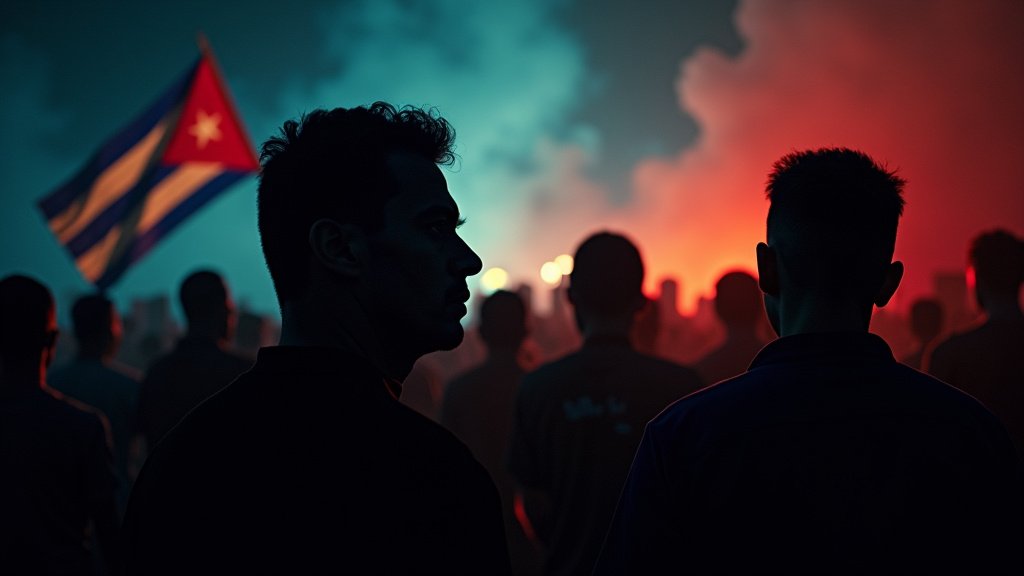
Miami Gears Up for New Push on Cuba After Venezuela Operation
Saturday brought a seismic shift in hemisphere politics. The US military successfully captured Venezuelan leader Nicolás Maduro. This event sent immediate shockwaves across the Americas. In Miami, a community long focused on Cuba felt a surge of hope and renewed purpose. Their attention now sharply turns to Havana. The powerful anti-Castro lobby sees significant new momentum. They believe Cuba is next in line for democratic change.
Venezuelan Spark Ignites Hope in Miami
The operation was swift and decisive. US forces secured Maduro early Saturday. He now faces justice in New York. This capture is a major international event. It fuels dreams of democracy for many exiles. This development especially resonates in Miami. The city is a major hub for Cuban exiles. Venezuelan Americans there celebrated widely. They saw the capture as a significant turning point. Many feel it mirrors past struggles against authoritarian regimes.
Miami’s Enduring Anti-Castro Nexus
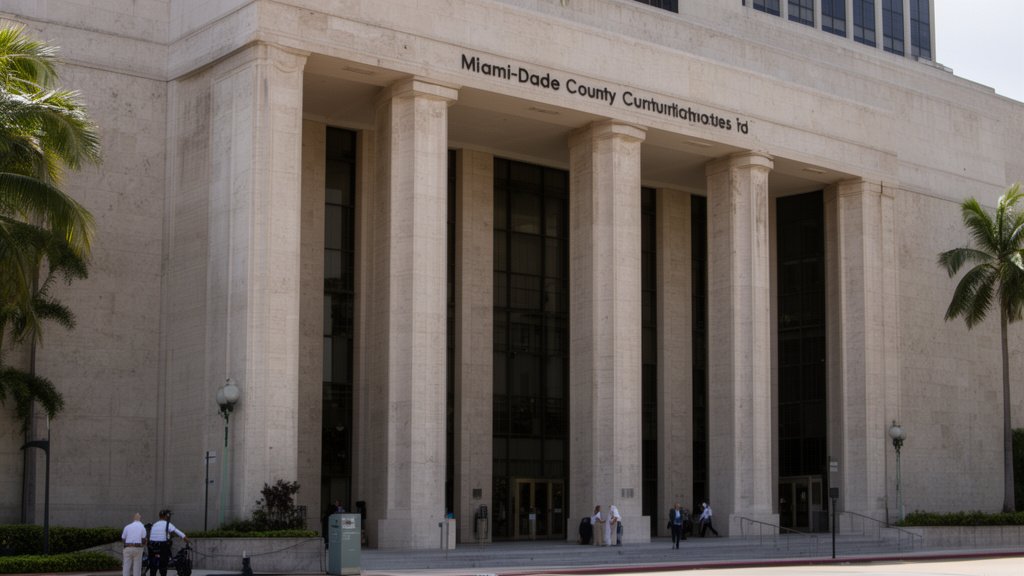
Miami-Dade County hosts a deeply influential voice. This is the long-standing anti-Castro lobby. This network comprises many dedicated groups. They have historically lobbied US foreign policy. Organizations like the Cuban American National Foundation (CANF) are central. For decades, they have pushed for robust stances against Havana. Political figures like US Reps. Carlos Gimenez and Mario Diaz-Balart are prominent voices. They strongly represent this powerful sentiment. Their ultimate focus has always been a free Cuba. Current affairs in the hemisphere are closely watched by these groups.
Leveraging Momentum: The Focus Shifts to Cuba
The news from Venezuela significantly altered the atmosphere. It energized activists and leaders in Miami. They see a new window of opportunity opening. “Now the time has come for Cuba,” stated one influential figure. The parallels are evident to many. Both nations share historical ties to authoritarian rule. Both have faced decades of US pressure. The lobby aims to harness this recent energy. They are pushing for increased international attention on Cuba. Their ultimate goal remains a democratic transition on the island.
Historical Roots and Future Projections
The anti-Castro movement has deep historical roots. Cuban exiles first arrived in large numbers. They established a strong community in Miami. Their primary mission has been a democratic Cuba. This lobby has profoundly shaped US policy. Legislative actions like the Helms-Burton Act are examples. Some political observers now predict futures for other despots. They suggest Cuba and Nicaragua could be next. President Trump also voiced strong opinions on Cuba. He publicly described it as a “failing nation.” Such statements signal potential shifts in US foreign policy considerations.
Local Politics Meets Foreign Affairs
Local politics in Miami-Dade plays a distinct role. Elected officials frequently express strong opinions. These views often shape foreign policy discourse. Miami-Dade Tax Collector Dariel Fernandez, for example, has taken action. He targets businesses that violate US sanctions on Cuba. His office enforces local ordinances and state laws. This demonstrates a local drive. It aims to pressure the Cuban government directly. The dynamic between local initiatives and national foreign policy is complex. It highlights the passion within the community.
Renewed Urgency for Havana
The capture of Nicolás Maduro marks a significant moment. It has created a new sense of urgency. The Miami-Dade anti-Castro lobby is now more vocal. They are rallying for renewed pressure on Cuba. Their efforts aim to capitalize on recent geopolitical events. The goal is clear: to accelerate democratic change. This movement continues to be a potent force. It shapes news and current affairs in the region. Their focus remains steadfast on Havana. They believe a free Cuba is attainable. The fight for democracy continues.