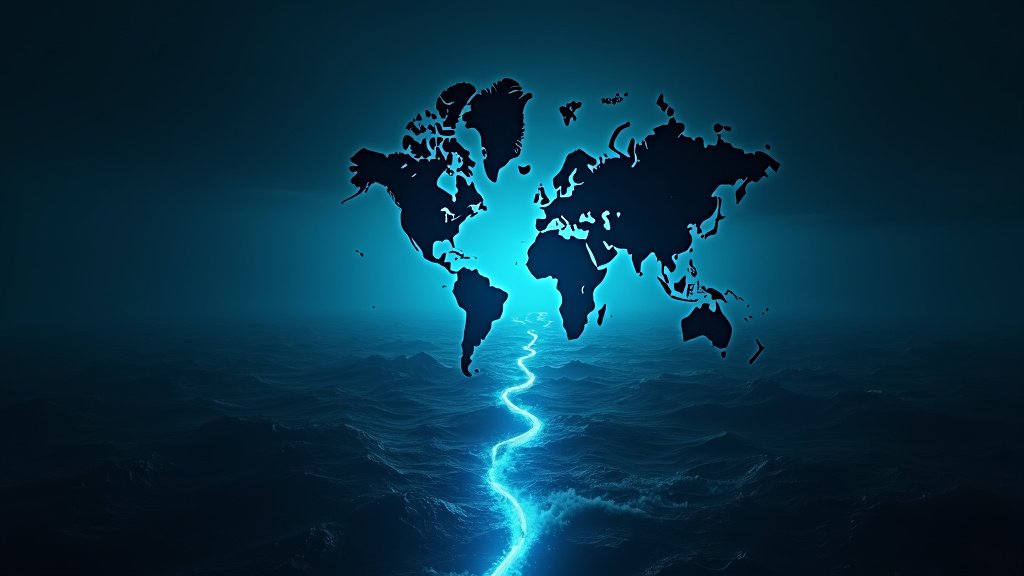
The United States took a strong stance against China’s growing influence. It imposed visa restrictions on three Chilean officials. This action served as a diplomatic rebuke. It targeted Chile’s trade ties with China. A proposed undersea digital cable project was central to the dispute. This move occurred shortly before a key regional summit in Miami. It also preceded a leadership change in Chile.
The U.S. cited national security concerns for its actions. Secretary of State Marco Rubio stated the officials undermined regional security. He accused them of compromising critical telecommunications infrastructure. The U.S. warned Chile about its visa waiver policy. This implied a demand for nations to choose sides. Chile faces a difficult balance. China is its main trading partner. The U.S. remains a vital financial ally.
Chile’s Foreign Minister Alberto van Klaveren expressed surprise. He rejected the U.S. accusations. He felt the U.S. announcement did not align with their historical ties. Chile summoned the U.S. Ambassador Brandon Judd for an explanation. Ambassador Judd defended the visa bans. He called them a “sovereign decision”. He stated the U.S. had exhausted diplomatic options. He also noted a lack of transparency from Chile despite warnings.
The specific project involved a cable from Chile to Hong Kong. Alphabet Inc.’s Google was a co-financier. The cable aimed for a direct link between Chile and China. However, the project was in its early stages. A final decision had not yet been made. Chile’s Transport and Telecommunications Minister Juan Carlos Muñoz confirmed he was among those sanctioned. Muñoz, a technocrat, has worked to establish Chile as a digital hub. He stated Chile assesses projects based on merit. They will not approve those threatening national security.
This event highlights the broader competition between the U.S. and China. The Trump administration aimed to bolster U.S. influence. It sought to counter China’s economic expansion in the region. This included areas like infrastructure and ports. The U.S. strategy emphasizes partnerships and security. China, in contrast, often uses loans and infrastructure projects.
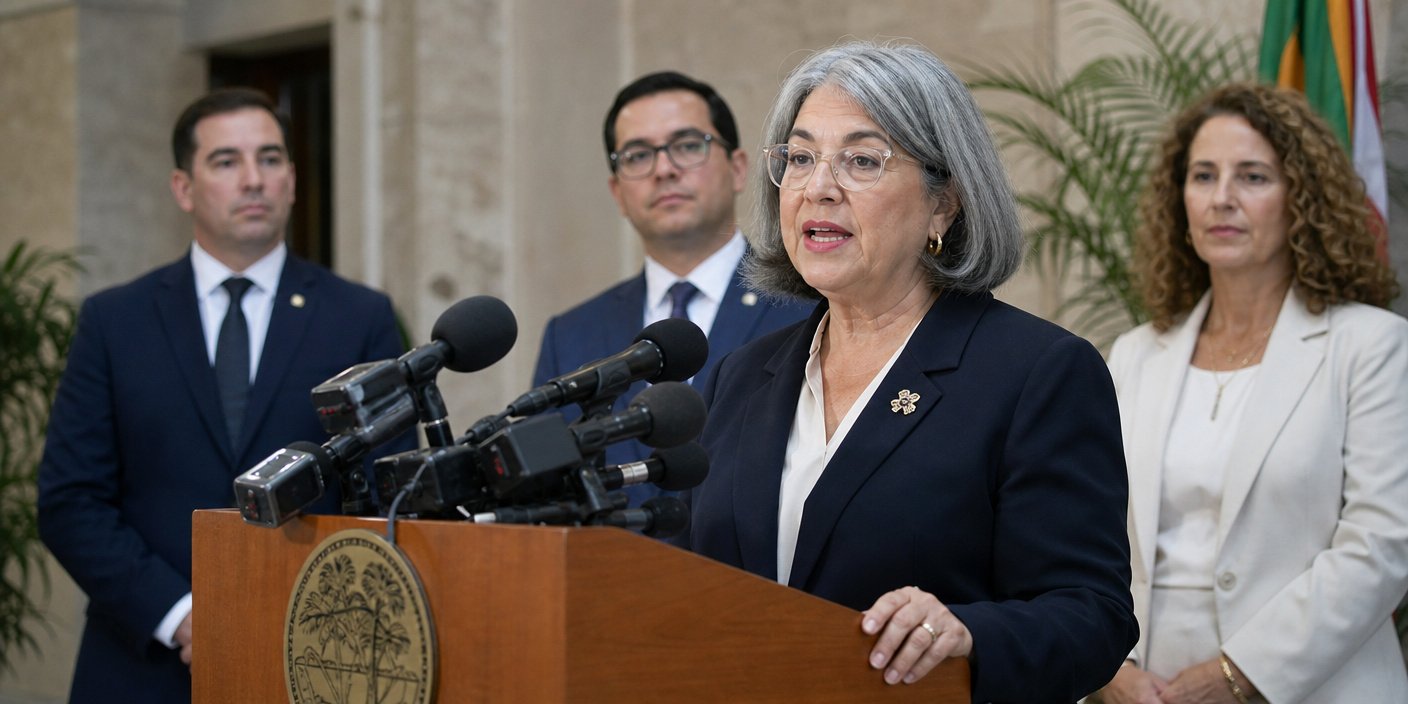
The timing was significant. President Trump planned a summit in Miami. This meeting was intended to address Chinese influence in Latin America. The administration raised concerns about China’s control over vital infrastructure. This included ports in Peru and Panama. Analysts believe these pressures force regional governments to navigate complex relationships.
Some observers describe the U.S. approach as a “Trump Corollary” to the Monroe Doctrine. It seeks to prevent foreign powers from controlling key assets in the Western Hemisphere. However, critics argue this hard-line strategy may be counterproductive. It could push Latin American nations closer to China. China’s trade and investment in the region have grown substantially. Chinese companies already play a major role in regional infrastructure. This ongoing geopolitical struggle shapes the current affairs in Latin America. The news from Chile adds another layer to this complex dynamic. The U.S. focus on Miami reflects its strategic priorities.