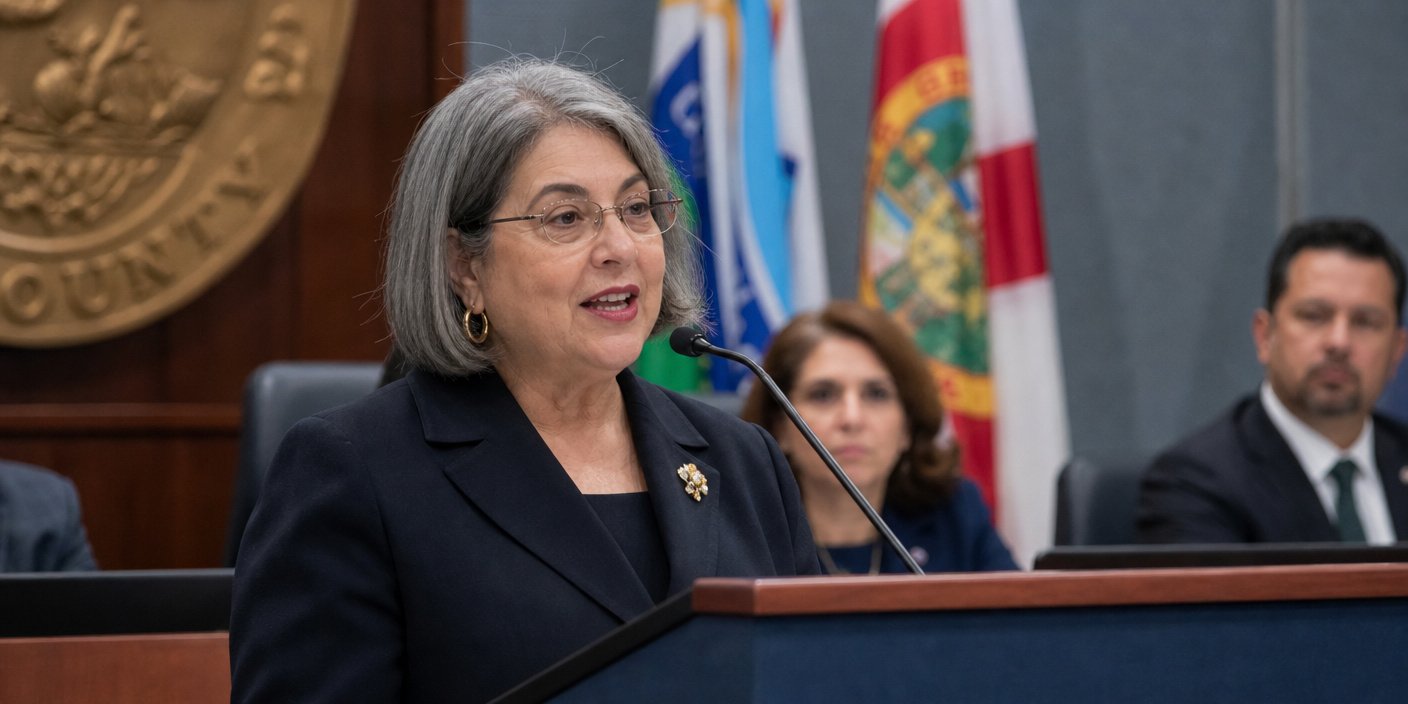
Miami-Dade commissioners made a significant decision regarding Wetland Rezoning Miami. They narrowly approved a controversial rezoning plan that allows Kelly Tractor to build a large facility on protected wetlands. This vote, occurring on January 22, 2026, is trending in Miami and pits economic growth against environmental protection in a pivotal debate over Wetland Rezoning Miami.
The Proposed Kelly Tractor Development
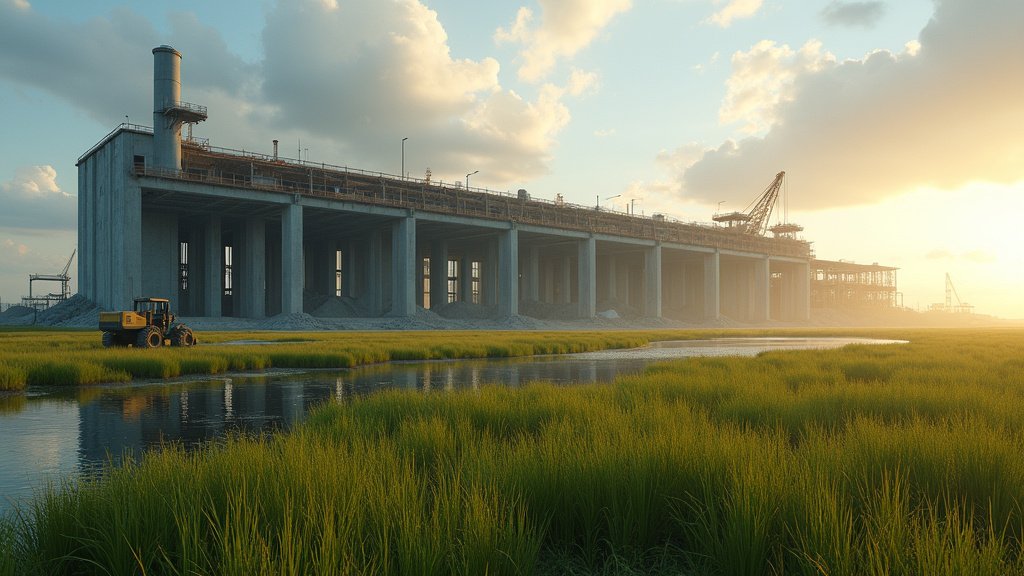
Kelly Tractor plans a new headquarters, a massive 2.2 million square foot facility for heavy equipment sales and repairs. The chosen site for this significant expansion is 246 acres located west of Sweetwater, notably outside the county’s Urban Development Boundary (UDB). The UDB is a critical line established to protect valuable wetlands and farmland. The company has cited a need for expansion, asserting its vital role in supporting county infrastructure, including highways and restoration projects. Kelly Tractor, a company founded in the 1930s, is a major supplier of heavy equipment statewide, making its growth plans a key aspect of the ongoing discussions about Wetland Rezoning Miami.
Wetlands’ Critical Role in Flood Control
The land slated for rezoning is ecologically significant, consisting largely of protected wetlands crucial for flood control wetlands. These wetlands act as natural sponges, absorbing heavy rainfall and thereby reducing flooding in nearby western Miami-Dade suburbs. They are also essential for groundwater recharge and filtering pollutants from the water, underscoring their importance in the environmental protection Miami seeks to maintain.
Environmental Concerns Raised about Wetland Rezoning Miami
Environmental groups have voiced strong opposition, warning of severe consequences for flood control wetlands. They highlight that paving over these wetlands will significantly impair natural flood management, particularly in flood-prone neighborhoods like Sweetwater, increasing the Sweetwater flood risk. Laura Reynolds of the Hold the Line Coalition emphasized this point, stating, “People complain when it floods. Well, when it floods, this is the reason.” The wetlands also provide critical habitat for endangered species such as the Everglades snail kite and rare wood storks. A 2024 county survey described these wetlands as intact wet prairie, a finding that contradicts claims of degradation made by Kelly Tractor’s consultants and adds weight to the arguments against this Wetland Rezoning Miami.
County Staff Recommendations Against Wetland Rezoning Miami
County planning staff also recommended denial of the rezoning request. Their report highlighted that Kelly Tractor did not prove why it couldn’t expand at its current site, where the company already owns 50 acres zoned for industrial use. Furthermore, planners noted that Kelly Tractor failed to justify expanding outside the UDB, especially with over 700 acres of industrial land available inside the boundary. The company also did not present a comprehensive plan for mitigating the considerable environmental damage expected from this Wetland Rezoning Miami.
The Miami-Dade Commission’s Narrow Approval of Wetland Rezoning Miami
Despite these significant objections and a clear recommendation against the project, the Miami-Dade County Commission voted narrowly to approve the rezoning. The commissioners amended the county’s growth management plan to create a new zoning designation for the site, termed the “MIA Transportation and Infrastructure Support Area.” Commissioners cited job creation and economic growth as the primary drivers for their decision. Commissioner Juan Carlos “JC” Bermudez acknowledged the environmental concerns but stressed the necessity of economic growth, stating, “We also have to have growth.” This decision is a focal point for the ongoing economic growth vs environment debate in the region.
Echoes of Past Battles Over the Urban Development Boundary
This decision reflects a recurring theme in Miami-Dade: developers frequently seek to push the Urban Development Boundary (UDB). The UDB was established decades ago with the aim of protecting sensitive natural areas and farmland from sprawl. However, this line has been challenged and amended multiple times. Previous attempts to develop land outside the UDB have faced similar opposition, with environmentalists arguing that such developments harm water supplies and increase flood risk, mirroring the current concerns surrounding Wetland Rezoning Miami.
Looking Ahead for Wetland Rezoning Miami
Kelly Tractor’s project, despite the approval from the Miami-Dade Commission, still requires further review. This approval marks a significant step forward, allowing the company to proceed with its plans for Wetland Rezoning Miami. However, opposition remains strong. Environmental advocates and county planners have voiced serious doubts about the long-term consequences for Miami-Dade’s environment. The debate highlights the ongoing tension between the county’s need for development and its commitment to conservation, making this latest news a focal point for trending environmental discussions in the region and a critical case study for future decisions regarding the Urban Development Boundary.