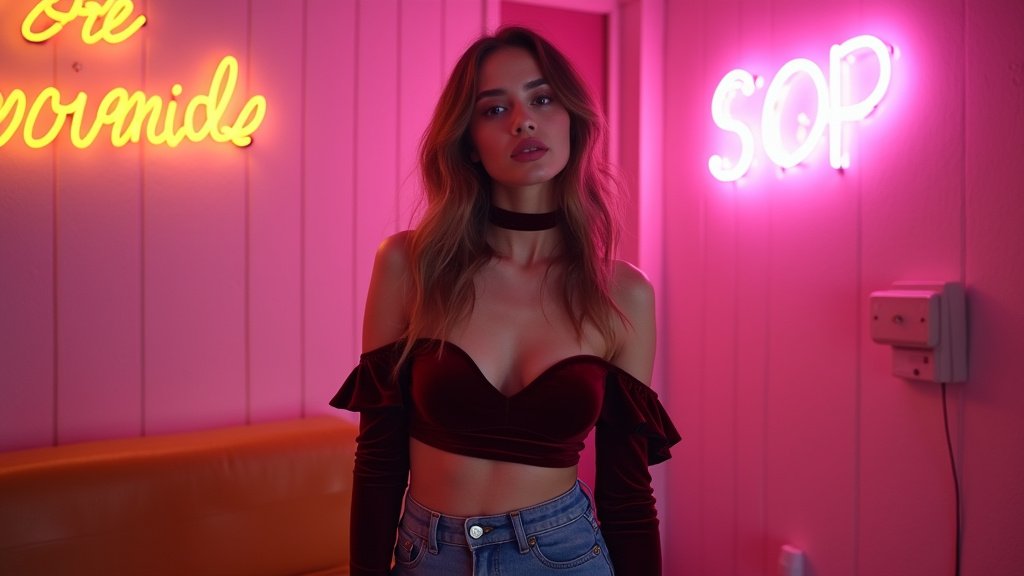
The year is 2026, and a powerful wave of nostalgia is sweeping social media, bringing back trends from 2016. Gen Z is leading this charge, with platforms like TikTok and Instagram buzzing as users embrace styles from a decade ago. This significant 2016 revival feels like more than just fashion; it’s a cultural reset.
The 2016 Aesthetic: A Look Back
The 2016 aesthetic is distinct, characterized by bold and expressive fashion choices. Choker necklaces are everywhere again, with styles ranging from velvet to lace, reflecting a distinct 2016 revival. Bomber jackets offer a classic, cool look, and skinny jeans, once declared dead, have returned. Off-the-shoulder tops and dresses are also trending, while over-the-knee boots add a dramatic flair. Velvet fabrics are seen widely, and old-school logos from brands like Tommy Jeans reappear. Millennial pink also makes a statement, adding a softer hue to bold looks, echoing the spirit of the 2016 fashion trends.
Maximalist Beauty and Resurfacing Music
Beauty trends mirror this maximalist vibe, a key element of the 2016 revival. Matte liquid lipsticks are back in vogue, and blinding highlighter makes a grand return. Defined, bold eyebrows frame many faces, and warm eyeshadows create a striking look. The music of 2016 is also resurfacing, with hits from artists like Rihanna and Drake trending. Zara Larsson’s “Lush Life” is a prime example, having soundtracked many viral videos and evoking a strong sense of the past associated with the 2016 revival.
The Driving Forces Behind the 2016 Revival
But why this sudden fascination with 2016? The primary driver is nostalgia, as many seek simpler, more carefree times. The year 2016 is remembered fondly as a period before major global events, a time that felt fun and optimistic. This is especially true for Gen Z, many of whom were teens then and discovering social media. For them, it represents a period of less digital exhaustion, before constant crisis headlines and the pandemic’s impact. This yearning for a simpler era is profound, making the 2016 revival a significant cultural moment.
Digital Fatigue and the Unfiltered Digital Era
Furthermore, a sense of digital fatigue is fueling this trend. The current online world feels overwhelming, often hyper-polished and algorithm-driven. Users are rebelling against perfection, seeking authenticity and genuine connection. 2016 represents a time of less curated content, where social media felt more playful and less about performance. This is a stark contrast to today’s digital landscape, highlighting the appeal of the unfiltered digital era that the 2016 revival taps into.
Gen Z’s Unique Take on the 2016 Revival
Gen Z’s approach to these trends is unique, as they often embrace them with humor. They acknowledge the era’s style and put their own spin on it, showing a creative engagement that goes beyond blind imitation. They are remixing the past for the present, demonstrating the adaptability this generation is known for and finding joy in rediscovering older aesthetics. This fresh perspective is central to the ongoing 2016 revival.
Social Media’s Role in Amplifying the 2016 Revival
Social media platforms are key to this revival. TikTok and Instagram are central hubs where influencers and content creators act as major trendmakers, initiating and amplifying these throwbacks. Viral challenges from 2016 are recreated, and old memes are brought back to life. These digital spaces allow for easy sharing and foster a sense of collective memory. Hashtags like #BringBack2016 trend globally, connecting users through shared nostalgia and fueling the 2016 revival.
Fashion is a global language, and cities like Miami also shape style. Miami fashion blends luxury with laid-back vibes, featuring bold colors and prints that embrace individuality and storytelling. Trendmakers in various cities contribute to broader cultural shifts. While not directly tied to the 2016 revival, these hubs reflect a larger desire for self-expression, aligning with the spirit of the 2016 comeback—making personal statements and embracing authenticity. The 90s fashion revival also influences this, showcasing cyclical trends.
The Deeper Meaning of the 2016 Trend
The 2016 trend signifies more than just fashion; it’s a reaction to current anxieties, a search for joy and comfort, and a rebellion against digital pressure. It’s about reclaiming a sense of playful self-expression. This comeback offers an escape and a nostalgic balm, reminding us of a time when things felt more accessible. For Gen Z, it’s about experiencing a digital era they grew up with, and for many, it feels like a cultural sweet spot. The past is being reimagined, and this trend shows fashion’s cyclical nature, highlighting our collective longing for simpler days. The 2016 aesthetic offers a vibrant, less serious moment, a welcome contrast to today’s intensity. This 2016 revival is likely to continue, tapping into a deep human need for connection and joy. The return of 2016 offers just that, much like the Y2K fashion influence seen in other resurgences.