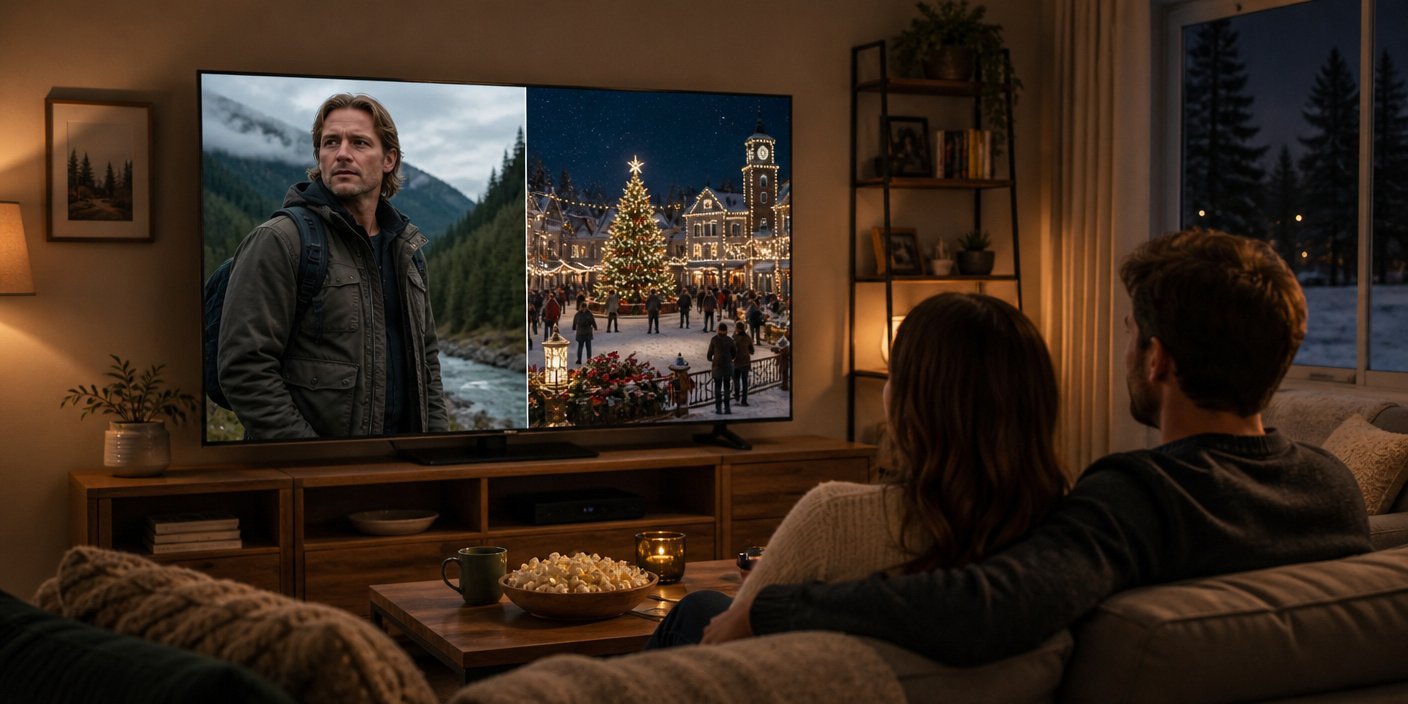
This weekend, November 21-23, 2026, television audiences are entering one of the most densely packed entertainment windows of the year. With 60 distinct premieres and season finales scheduled across cable and streaming platforms, the industry is balancing high-stakes prestige dramas with the comforting, predictable embrace of the holiday film season. For viewers, this represents a unique intersection of final narrative conclusions on networks like PBS and the beginning of the annual seasonal programming rush on Hallmark and Lifetime.
Key Highlights
- The Weekend Surge: A massive slate of 60 premieres and finales, signaling a major shift in the Q4 2026 programming calendar.
- Prestige Finales: PBS anchors the weekend with high-production season finales, solidifying its role as a destination for long-form narrative excellence.
- Holiday Programming: Hallmark Media and Lifetime launch their core holiday content, a vital economic driver for weekend ad revenue.
- Strategic Scheduling: Networks are accelerating finales to avoid the Thanksgiving dip, ensuring maximum viewer retention before holiday travel begins.
The 2026 Fall Television Turning Point
The weekend of November 21-23, 2026, serves as a microcosm for the current state of the television industry. With 60 premieres and finales hitting the airwaves, networks and streamers are essentially performing a high-stakes balancing act. They must contend with the dwindling attention spans of the late-November viewer, who is increasingly distracted by impending holiday planning, while simultaneously trying to close out their most successful narrative arcs of the year.
The Holiday Movie Ecosystem: Hallmark and Lifetime
Central to the weekend’s viewership data is the arrival of core holiday-themed content. Hallmark and Lifetime are not merely airing movies; they are providing a form of ‘comfort content’ that has become a statistically significant economic engine. Research indicates that during this specific weekend, viewer retention metrics for these networks spike significantly compared to the rest of the quarter. This year’s slate focuses on the ‘traditional warmth’ aesthetic, moving away from high-concept satire back toward the tried-and-true formula of small-town reunions and festive restoration. This content is crucial for maintaining Nielsen ratings in a landscape where traditional cable viewership is otherwise declining.
The Fall Finale Surge: PBS and Prestige Dramas
While holiday films capture the casual viewer, PBS is dominating the prestige conversation. The scheduling of major season finales during this window is a calculated move to capture ‘appointment viewing’ audiences. By positioning high-budget series conclusions alongside lighter holiday fare, networks are creating a diverse ecosystem that caters to multiple demographics within the same household. This strategy effectively insulates these networks against the ‘streaming churn’ that plagues subscription-based platforms, as the linear schedule provides a definitive, unchangeable conclusion to the week’s entertainment.
The Economic Landscape of Seasonal TV
Secondary to the narrative content is the underlying economics of the weekend. The shift from aggressive fall dramas to cozy holiday programming represents a pivot in advertiser strategy. Holiday movies are notorious for high brand-integration potential—everything from the furniture in the scene to the beverages consumed on camera becomes an asset. For analysts, watching the influx of 60 premieres is less about the art of television and more about observing how networks maximize ad revenue during the final stretch of the fiscal year.
Future-Proofing: Viewing Habits in 2026
Looking beyond this weekend, the trend suggests a move toward ‘streaming aggregation.’ As we see with the 60 events listed this weekend, there is a clear tension between the linear ‘finale’ model—which demands live attendance—and the on-demand holiday movie model. Future predictions for the television industry suggest a continued bifurcation: on one side, highly expensive, weekly event television that demands live participation; on the other, vast libraries of comfort content that can be consumed at the viewer’s leisure. The challenge for networks in late 2026 is maintaining relevance in both spaces simultaneously.
The Psychology of Seasonal Comfort Viewing
There is a deeply rooted psychological component to the holiday movie surge. As the calendar approaches the end of November, global audiences, according to recent media consumption studies, show a statistical preference for ‘predictable outcomes.’ The high-stakes drama of a PBS finale provides the intellectual stimulation, while the holiday rom-com provides the emotional regulation. This weekend’s programming mix is uniquely designed to satisfy both, creating a robust, non-competitive viewing environment that sustains high engagement levels throughout the entire 48-hour window.
FAQ: People Also Ask
Q: Why are there so many finales scheduled for the weekend of November 21, 2026?
A: Networks often time finales to conclude before the Thanksgiving holiday week, when viewership patterns traditionally shift toward travel and communal family viewing rather than appointment-based television.
Q: Are holiday movies still driving high ratings for networks like Hallmark and Lifetime?
A: Yes. Holiday-themed content remains one of the most effective tools for maintaining consistent, high-volume linear ratings, particularly among key demographics that prioritize comfort viewing during the fourth quarter.
Q: What is the primary difference between the programming on PBS versus commercial networks this weekend?
A: PBS focuses on serialized, high-production-value dramas designed for long-term viewer loyalty, whereas commercial networks prioritize high-turnover, event-based holiday movies designed for immediate audience capture.
Q: Is the 60-event premiere count an anomaly for this time of year?
A: It is consistent with the ‘Fall Finale Surge,’ which represents the final major release window for television networks before the industry enters the winter holiday hiatus.