The intersection of high-stakes sports marketing and controversial video game culture has hit a critical junction in South Florida. Miami-Dade County, in tandem with the Miami Heat, has launched a $3.9 million promotional takeover to capitalize on the highly anticipated release of Rockstar Games’ Grand Theft Auto VI. This massive campaign, designed to weave the city’s identity into the digital landscape of one of the world’s most profitable entertainment franchises, has triggered a heated debate regarding the appropriate use of municipal resources and the ethics of branding a city based on a title synonymous with criminal exploits and societal disorder.
Key Highlights
- Strategic Financial Investment: A $3.9 million promotional partnership involving both Miami-Dade County and the Miami Heat to leverage the massive reach of Grand Theft Auto VI.
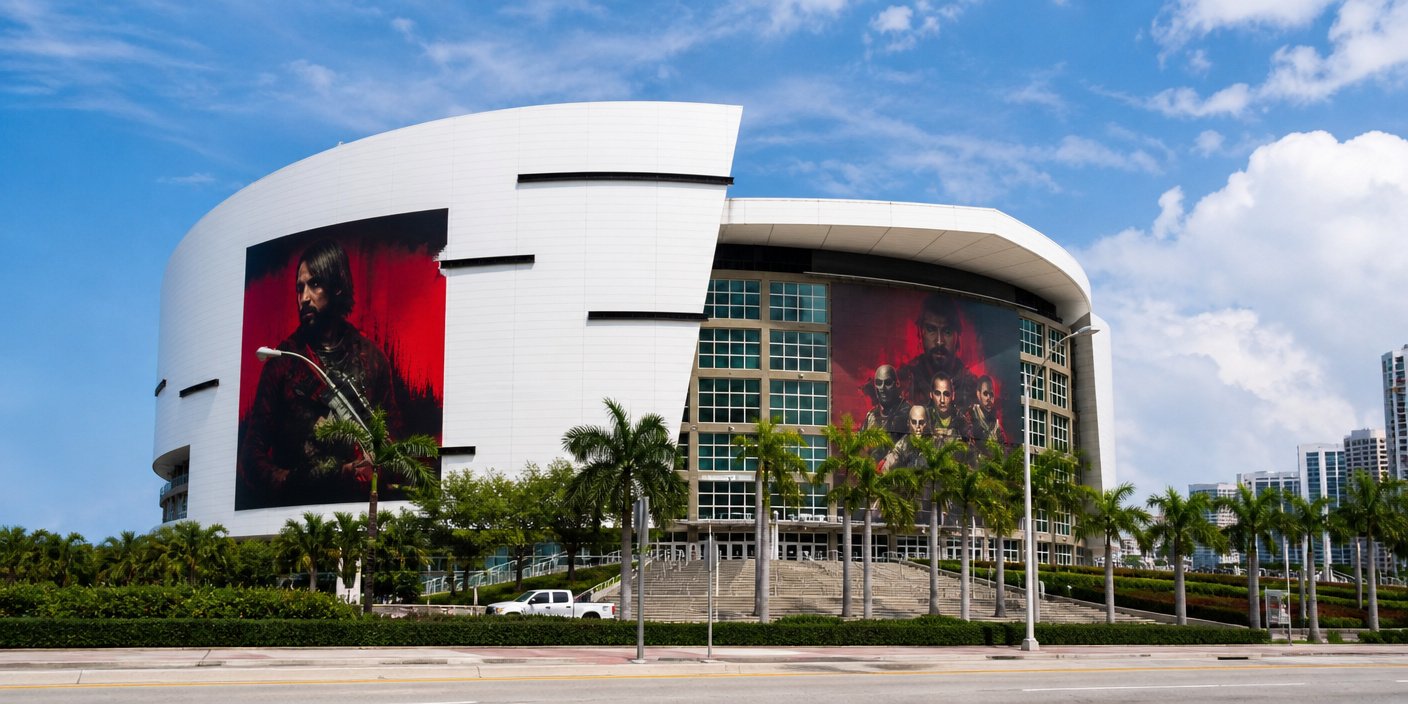
- High-Profile Branding: The campaign includes extensive digital and physical signage at the Kaseya Center and strategic rooftop placements to maximize visibility for the game’s launch.
- Political Pushback: Miami Beach Commissioner David Suarez has publicly criticized the move, questioning the logic of aligning municipal branding with a game centered on crime, especially given the city’s recent efforts to curb local disorder.
- Cultural Contradiction: The partnership highlights a growing tension between city officials seeking to promote tourism through pop-culture phenomena and those concerned about the messaging sent to residents and visitors.
The High-Stakes Calculus of Digital Tourism
The decision to invest $3.9 million into a promotional campaign surrounding Grand Theft Auto VI is not merely a marketing spend; it is a calculated bet on the cultural currency of the ‘Vice City’ mythos. For decades, the GTA series has served as a digital reflection of Miami’s glitz, glamour, and gritty underbelly. By formally embracing this connection, Miami-Dade County and the Miami Heat are attempting to harness the global frenzy surrounding the game to bolster the city’s relevance in the digital age.
From a purely economic standpoint, the exposure provided by such a partnership is arguably unparalleled. Grand Theft Auto V has sold over 200 million units, and its successor is projected to be the most successful media release in history. The Kaseya Center—the home of the Miami Heat—offers a premier venue to host this branding, acting as a massive billboard for millions of international fans. However, the decision to pour nearly four million dollars into this initiative raises questions about ROI and the potential degradation of the city’s professional image.
The Suarez Controversy: Safety vs. Spectacle
The most vocal opposition to this campaign has come from Miami Beach Commissioner David Suarez. His criticism strikes at the heart of a fundamental conflict within the current municipal administration: the tension between economic development through tourism and the ongoing struggle to maintain public order. Following recent legislative and enforcement efforts to crack down on chaotic spring break crowds and nightlife disturbances, Suarez argues that a government-sanctioned promotion of a game titled ‘Grand Theft Auto’ is tone-deaf at best and hypocritical at worst.
‘How can we be serious about curbing disorder and promoting a safe, family-friendly reputation for Miami, while simultaneously funding a campaign for a video game that explicitly celebrates criminality?’ This sentiment, voiced by local stakeholders, highlights a widening gap between the desires of city officials tasked with marketing the city and those tasked with maintaining the peace. The branding partnership places the county in an awkward position, seemingly endorsing the ‘Vice City’ aesthetic while simultaneously distancing itself from the real-world criminal behavior that defined the inspiration for the franchise.
The ‘Vice City’ Effect: Branding and Identity
Historically, Miami has had a complicated relationship with its portrayal in media. From ‘Miami Vice’ in the 1980s to the Grand Theft Auto series in the 2000s, the city has been defined by a caricature of wealth, crime, and excess. For years, Miami leaders fought to distance the city from these depictions. The current $3.9 million takeover suggests a pivot in strategy: rather than fighting the ‘Vice City’ label, the county is choosing to monetize it.
This shift is indicative of a broader trend where municipalities are beginning to view video game environments as legitimate extensions of their local economy. If the digital world is where the next generation spends their leisure time, city governments are reasoning that being present in that space is as vital as presence in any traditional tourist brochure. Yet, the friction created by this decision underscores that there is no consensus on where to draw the line between a marketing opportunity and an endorsement of the behaviors depicted within that content.
Future Implications for Municipal Branding
The fallout from this campaign will likely serve as a case study for other cities looking to partner with massive media franchises. If the $3.9 million investment leads to a measurable spike in tourism and local engagement, other municipalities may follow suit, regardless of the controversy. If, however, the backlash from officials like Commissioner Suarez gathers steam, we may see a retreat toward more traditional, conservative branding efforts.
Ultimately, the Miami Heat and Miami-Dade County’s move is a gamble. It assumes that the audience for Grand Theft Auto VI is sophisticated enough to distinguish between entertainment and reality. It also assumes that the city’s brand is robust enough to absorb the ‘Vice City’ association without suffering a long-term erosion of its civic credibility. As the game launch approaches, all eyes will be on how the public—and the tourists—respond to the high-profile signage at the Kaseya Center.
FAQ: People Also Ask
What is the primary purpose of the $3.9 million GTA VI campaign?
The campaign is a promotional partnership intended to leverage the massive global anticipation for the launch of Grand Theft Auto VI, utilizing the Kaseya Center and city assets to maximize brand visibility and tourism appeal.
Why is Miami Beach Commissioner David Suarez critical of the deal?
Commissioner Suarez argues that the branding campaign contradicts the city’s ongoing efforts to curb public disorder and maintain a safe reputation, suggesting that promoting a game focused on crime undermines those municipal safety goals.
How are Miami-Dade County and the Miami Heat involved?
Both entities are strategic partners in the deal, providing the physical infrastructure—such as the Kaseya Center and city rooftops—and the financial backing necessary to execute the promotional takeover.
Will this campaign change the city’s branding long-term?
It remains to be seen. If successful, it could set a precedent for how cities interact with and monetize pop-culture and video game franchises. However, if the controversy persists, it may lead to stricter oversight of future marketing partnerships involving media with violent themes.