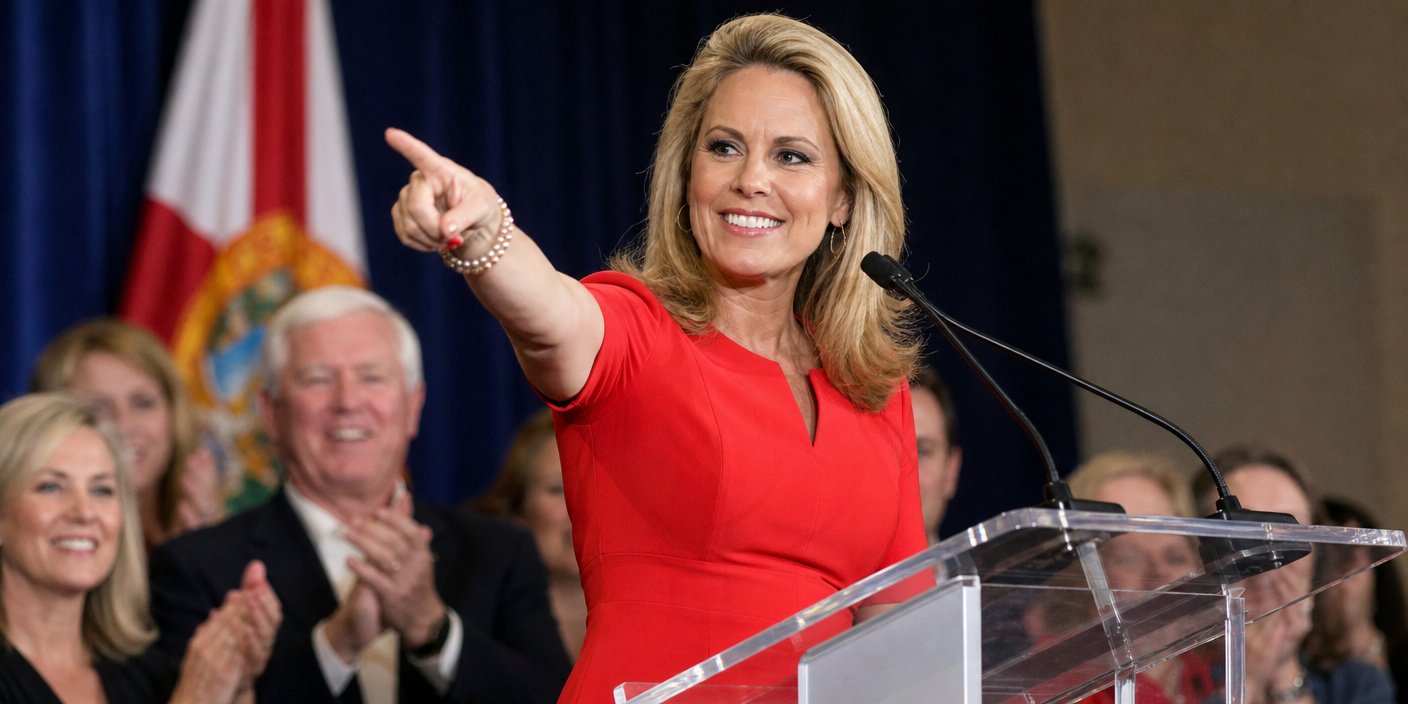
As Miami-Dade County Public Schools (MDCPS) prepares to select its next leader, the process has become a lightning rod for community concern. Serving as the third-largest school district in the United States, the stakes for this appointment are immense. Stakeholders and observers alike are emphasizing that MDCPS owes its students and families a rigorous, exhaustive, and transparent search for candidates who possess not only the administrative acumen but the moral vision required to steer one of the most complex educational ecosystems in the country.
Key Highlights
- Transparency as a Mandate: The hiring process must move beyond closed-door deliberations, inviting community input to build trust.
- National vs. Local Talent: The debate centers on balancing the need for fresh, innovative perspectives from national leaders against the deep local knowledge required to navigate Florida’s unique educational landscape.
- Strategic Priorities: The incoming superintendent faces the immediate tasks of stabilizing district operations, addressing teacher retention, and navigating the complexities of modern curriculum standards.
Leading the Third-Largest District: A Blueprint for Selection
The position of superintendent for Miami-Dade County Public Schools is one of the most challenging and influential roles in American public education. Leading a district of this magnitude requires a rare blend of crisis management, pedagogical expertise, and political dexterity. As the Board embarks on the search, the primary critique from advocacy groups and concerned parents is the potential for a rushed or insular selection process. A ‘serious and thorough search’ is not merely a request for procedural compliance; it is a fundamental requirement to ensure that the candidate selected is the absolute best fit for the unique demographics and challenges of Miami-Dade.
The Anatomy of an Ideal Candidate
What does the ideal candidate look like in 2026? Modern education demands a leader who is as comfortable managing multi-billion dollar budgets as they are navigating the delicate, often polarized, cultural conversations surrounding classroom content. The candidate must be an instructional leader who understands how to close the achievement gap, particularly for marginalized student populations. They must also be a technological visionary, capable of overseeing the integration of AI-driven tools into the curriculum—a significant challenge given the recent controversies surrounding educational tech companies and their integration in other major districts.
The Danger of Political Expediency
One of the most persistent fears among community stakeholders is that the search will be influenced by political agendas rather than educational merit. In Florida, where state-level mandates often clash with local district autonomy, the superintendent must act as a buffer and an advocate for the school board’s independence. A candidate selected primarily for their political alignment rather than their proven track record in school administration risks alienating teachers and parents alike. The ‘serious search’ demanded by the public is an antidote to this fear. It necessitates a process where candidates are vetted not just by board members, but through town halls, stakeholder panels, and rigorous public scrutiny.
Accountability in the Hiring Process
The School Board acts as the steward of the public trust during this transition. To fulfill this, the board must define what ‘success’ looks like for the new superintendent before the search even begins. Is the goal to maintain status quo operations, or is it to innovate and modernize the district’s infrastructure? By clearly articulating these goals, the board provides a framework against which candidates can be measured. This transparency prevents the selection process from devolving into a popularity contest and ensures that the final decision is based on a deliberate evaluation of competencies, experience, and the ability to articulate a clear, actionable vision for the future.
The Role of Community Engagement
True community engagement is the difference between a superintendent who is viewed as an outsider and one who is embraced as a leader. The ‘thorough search’ must involve actual listening tours, where candidates meet with teachers, union representatives, and parent-teacher associations. These interactions provide the most accurate barometer of a candidate’s potential success. A superintendent who cannot connect with the staff in the classrooms or the parents at the bus stops will struggle to implement any policy, no matter how sound it is on paper.
Future-Proofing the District
As we look toward the next decade of public education, the challenges of climate resilience, digital equity, and mental health support will only intensify. The new superintendent must be prepared to address these issues head-on. The search process should specifically filter for leaders who have a history of proactive, rather than reactive, policy-making. Whether it is addressing facility upgrades to meet environmental standards or implementing mental health programs that truly serve the student body, the incoming leader must be a forward-thinker.
FAQ: People Also Ask
Q: Why is the Miami-Dade superintendent search considered so critical?
A: As the third-largest school district in the U.S., MDCPS sets benchmarks for education across the country. The superintendent has immense influence over budget, curriculum, and staffing, impacting thousands of families and the long-term economic trajectory of the region.
Q: What is the main critique of the current search process?
A: Community members and editorial boards have expressed concerns that the process might be rushed or insular, urging for more transparency, public input, and a national-level search to ensure the most qualified candidates are identified.
Q: How does the political climate in Florida affect the search?
A: Florida’s shifting educational policies create a unique environment where the superintendent must balance state-level directives with the needs of a diverse, local student body, making the selection of a diplomat and strong administrator vital.