Florence + The Machine is set to transform Miami’s Kaseya Center into a cathedral of sound and shadow tonight, April 29, 2026, as the band brings the ‘Everybody Scream’ Tour to South Florida. This highly anticipated stop is a centerpiece of their current North American run, showcasing a new, darker, and deeply introspective chapter for frontwoman Florence Welch. Following a rigorous recovery period after the ‘Dance Fever’ tour, Welch has returned with a visceral, haunting aesthetic that blends high-concept folk horror with the soaring, operatic pop anthems that cemented the band’s status as modern musical icons.
Key Highlights
- The Miami Ritual: Tonight, April 29, 2026, marks the sole Miami appearance for the ‘Everybody Scream’ Tour, turning the Kaseya Center into an immersive experience of movement and sound.
A New Era: The tour celebrates the band’s sixth studio album, Everybody Scream*, which pivots into themes of spiritual mysticism, mortality, and the reclamation of the female body.
- Star-Studded Collaboration: The album features production and songwriting contributions from industry heavyweights including Mark Bowen of IDLES, Aaron Dessner, and Mitski, signaling a sonic shift toward grittier, experimental landscapes.
- Resilience and Artistry: The tour follows Florence Welch’s well-documented health challenges during the ‘Dance Fever’ era, framing this current production as a powerful narrative of healing and survival.
The Alchemy of ‘Everybody Scream’: A Descent into Folk Horror
The ‘Everybody Scream’ Tour is not merely a concert; it is a manifestation of Florence Welch’s most ambitious artistic departure yet. Moving away from the high-energy, ethereal indie-pop that defined early hits like “Dog Days Are Over,” this new production leans heavily into a “folk horror” aesthetic. The stage design, characterized by organic, unsettling textures and shadow-play, mirrors the thematic weight of the new album. For the Miami crowd, the concert promises a theatrical performance that blurs the lines between a traditional pop spectacle and an avant-garde ritual.
The Sonic Shift: From Dance Fever to Darkness
When Florence Welch took the stage during the Dance Fever tour, fans witnessed the raw vitality of an artist attempting to outrun her own limitations. The subsequent hiatus following her emergency surgery forced a change in pace. The resulting project, Everybody Scream, is a direct response to that isolation. In interviews, Welch has described the writing process as a form of “spiritual mapping,” using the recording booth as a confessional.
Collaborating with Mark Bowen, whose work with IDLES is defined by its abrasive, cathartic energy, has pushed Welch’s vocals into more vulnerable territories. The sound is less about the grand crescendo and more about the micro-moments of tension—the breath between lines, the sharp intake of air, the silence that precedes the scream. This tension is palpable in the live arrangements, where long-time touring members and new collaborators layer heavy, distorted instrumentation over Welch’s crystalline voice. It is a haunting juxtaposition that has resonated with critics and audiences alike during the opening legs of the North American tour.
Production Architecture: Designing the Ritual
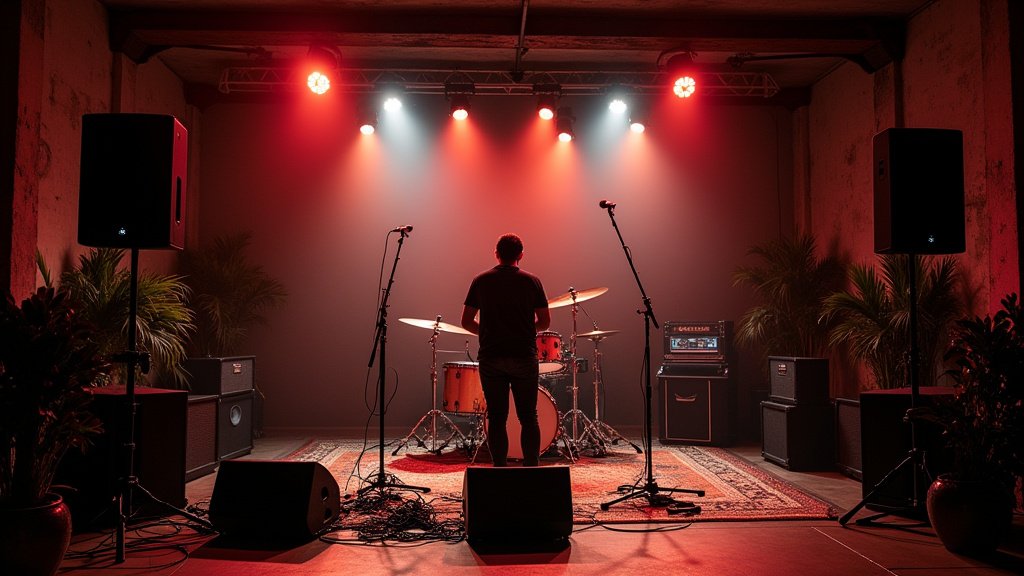
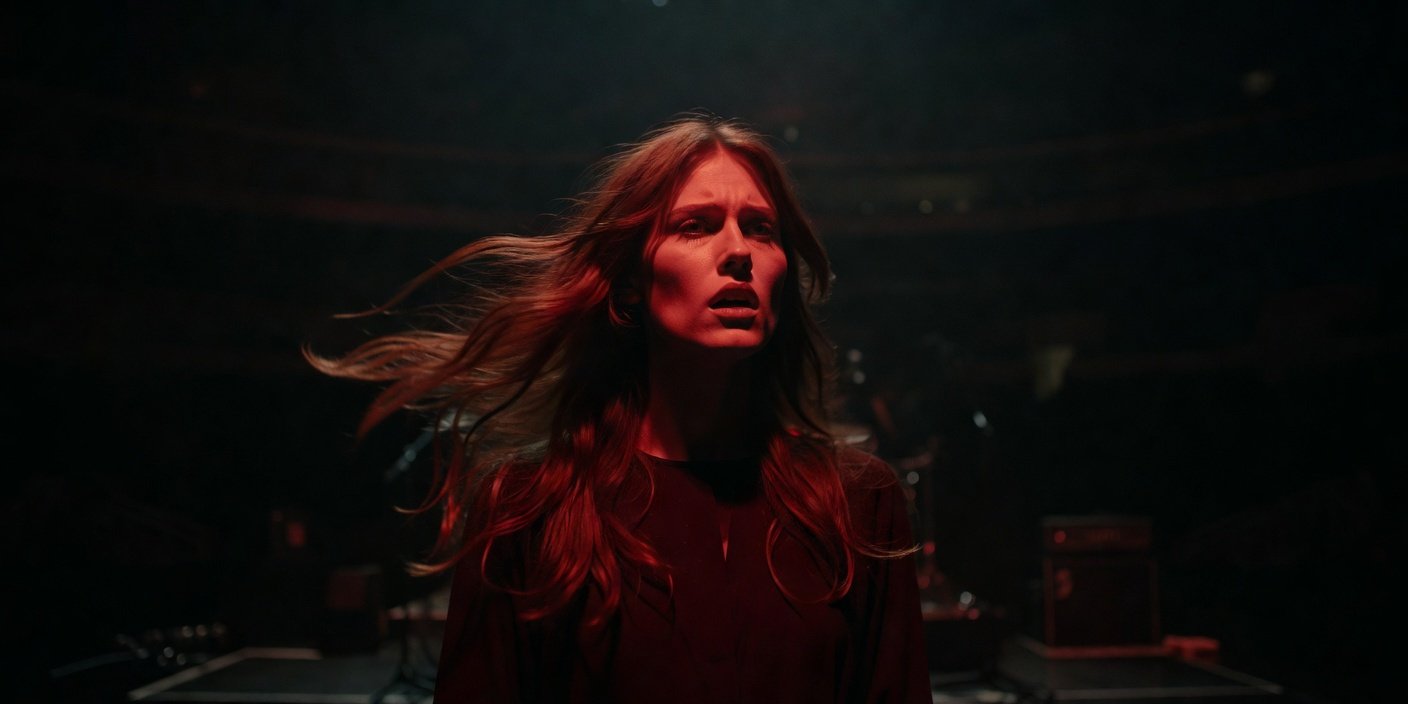
The Kaseya Center provides the perfect cavernous space for this specific production. Unlike the arena-filling pop shows of the past, the lighting design for this tour is austere. It relies on deep crimsons, obsidian blacks, and stark, single-source spotlights that frame Welch as the high priestess of her own narrative. The “Everybody Scream” branding is not just a title; it is an invitation to release, a cathartic exercise that the band encourages throughout the setlist. The setlist balances these new, experimental tracks with the foundational pillars of their discography, but even the old hits have been rearranged, slowed down, or given a darker, brooding undertone to match the atmosphere of the current era.
The Industry Pivot: Strategic Collaborations
The inclusion of collaborators like Aaron Dessner and Mitski on the album tracks highlights a deliberate shift in Florence + The Machine’s trajectory. Dessner, known for his ability to craft intimate, layered sonic landscapes, brings a newfound subtlety to the band’s instrumentation. Mitski’s influence, particularly on the lyrical front, has pushed Welch to explore the complexities of womanhood and aging with a bluntness that feels jarringly modern. By integrating these disparate creative forces, Florence + The Machine has successfully reinvented itself, proving that a decade-plus into a career, they are not content to stagnate.
Secondary Angles: Contextualizing the Tour
1. The Economic Engine of Miami’s Live Music Sector
The arrival of a high-profile tour like ‘Everybody Scream’ at the Kaseya Center serves as a vital economic stimulus for Miami. Beyond ticket sales, these events generate significant revenue for surrounding hospitality, dining, and transit industries. As Miami solidifies its reputation as a global hub for touring acts, the Kaseya Center has become a focal point, leveraging the city’s international appeal to attract major artists during the peak of their tour cycles. The influx of fans traveling from across Florida and beyond for this singular stop is a testament to the band’s enduring draw and the venue’s operational efficiency.
2. The Healing Narrative in Contemporary Performance
There is a growing trend of artists using the stage as a space for public healing post-trauma. Florence Welch’s journey—documented through her music and public statements—offers a blueprint for how legacy acts can navigate health challenges without losing their creative edge. By openly incorporating her recovery into the visual and sonic themes of the ‘Everybody Scream’ Tour, Welch provides a relatable, albeit elevated, narrative of vulnerability. This authenticity acts as a force multiplier for fan engagement; audiences aren’t just buying tickets to hear songs; they are attending to bear witness to a personal evolution.
3. The Future of ‘Folk Horror’ Pop
Florence + The Machine is currently at the vanguard of a broader cultural movement: the elevation of “folk horror” aesthetics in mainstream music. From the visual language of the concert film aesthetic to the lyrical focus on the uncanny, the band is setting a standard that others are beginning to emulate. As the industry moves away from the gloss of the late 2010s, we are seeing a return to the tactile, the ritualistic, and the macabre. This tour serves as a case study in how to maintain commercial viability while pivoting toward more esoteric, high-art themes, a balance that very few artists of Welch’s stature have managed to maintain successfully.
FAQ: People Also Ask
Q: What should fans expect from the ‘Everybody Scream’ setlist?
A: The setlist is a curated blend of the band’s classic hits like “Dog Days Are Over” and “Shake It Out,” reimagined with darker, moodier arrangements, alongside new material from the Everybody Scream album. Expect a performance that prioritizes atmosphere and narrative arc over traditional pop pacing.
Q: Who are the key collaborators on the new album?
A: The album features a diverse creative team, including Mark Bowen (IDLES) on production, as well as contributions from Aaron Dessner and Mitski, who have helped shape the project’s introspective, genre-defying sound.
Q: Is the ‘Everybody Scream’ Tour accessible for casual listeners?
A: Absolutely. While the tour leans into a specific, darker aesthetic, the core of Florence Welch’s performance remains her iconic vocal power and stage presence. The show is designed to be an immersive experience that welcomes both long-time devotees and those new to the band’s evolution.
Q: What is the significance of the tour’s title?
A: The title, Everybody Scream, reflects the album’s central themes of release, the reclamation of the body, and navigating the complexities of healing and mortality. It is both an invitation for the audience and a description of the cathartic nature of the live performances.