Today marks the global streaming debut of Netflix’s Man on Fire, a high-stakes, seven-episode thriller that reintroduces audiences to one of literature’s most enduring anti-heroes, John Creasy. Headlined by the magnetic Yahya Abdul-Mateen II, this reimagined take on A.J. Quinnell’s 1980 classic departs from the previous cinematic incarnations to offer a grittier, more interior look at a man shattered by his past and forced into a lethal fight for redemption in the heart of Rio de Janeiro. As the series premieres globally, it promises to blend the adrenaline of the original novels with a modern exploration of trauma, setting a new benchmark for prestige action television.
Key Highlights
The Global Premiere: All seven episodes of Man on Fire* are now available to stream exclusively on Netflix as of April 30, 2026.
- A New Leading Man: Yahya Abdul-Mateen II steps into the role of John Creasy, following in the footsteps of Scott Glenn (1987) and Denzel Washington (2004).
- Expanded Narrative: Unlike the self-contained films, this series delves deeper into the source material, spanning the events of the first two A.J. Quinnell novels.
The Creative Team: The series is helmed by executive producer and writer Kyle Killen (Fear Street, Halo) and directed by Steven Caple Jr. (Transformers: Rise of the Beasts*), promising a visually kinetic and narratively dense experience.
The Reimagining of John Creasy
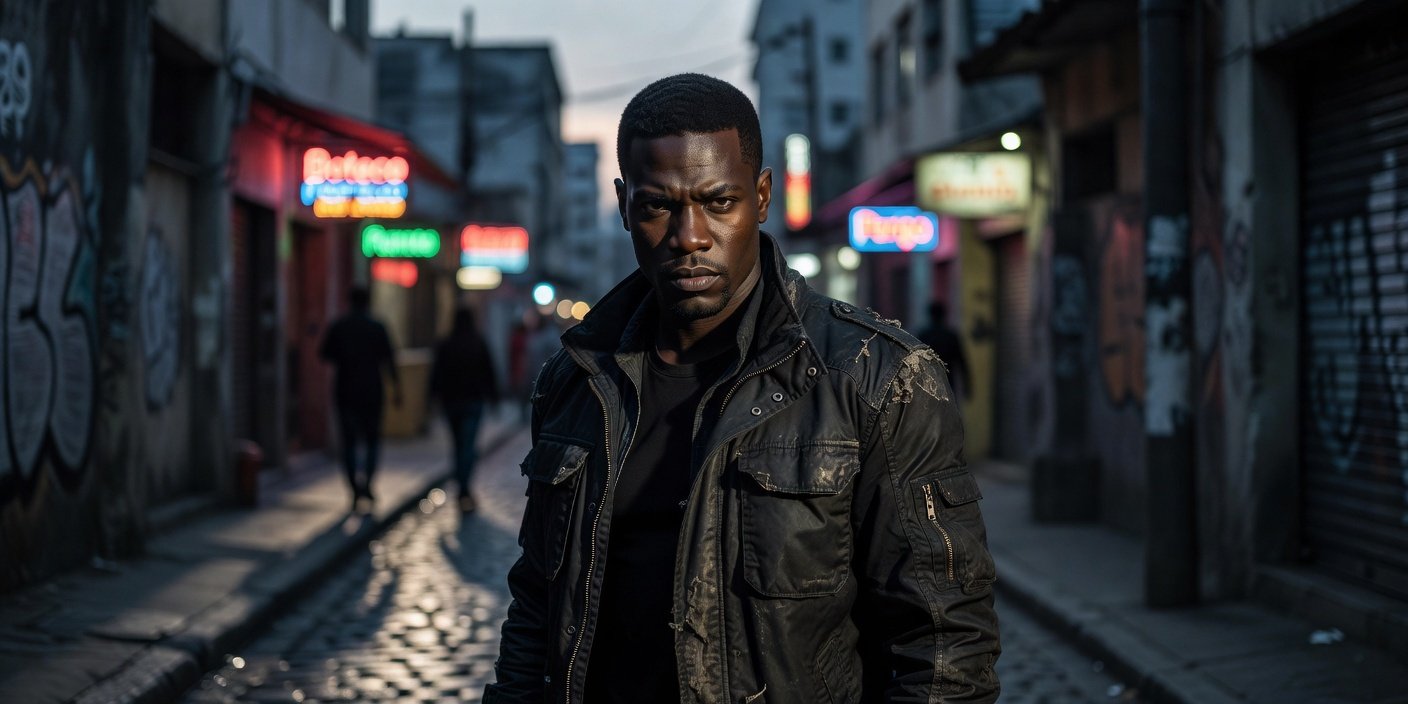
For nearly four decades, the name John Creasy has been synonymous with the “damaged protector” archetype. However, the 2026 Netflix adaptation marks a definitive shift away from previous tropes. By casting Yahya Abdul-Mateen II, the series immediately signals a departure from the mid-2000s action-hero mold. Abdul-Mateen’s Creasy is not merely a blunt instrument of vengeance; he is a portrait of psychological disintegration. The show anchors its narrative in the silent, suffocating weight of PTSD, showing a man whose primary battle is not against external foes, but against the intrusive echoes of a botched CIA operation that left his career—and his psyche—in tatters.
Moving Beyond the Mexico City Archetype
The decision to shift the setting from Mexico City (the location of the 2004 film) to the bustling, labyrinthine streets of Rio de Janeiro was a strategic masterstroke by the creative team. By transplanting Creasy to Brazil, the series gains a unique atmospheric texture. The favelas of Rio serve as a character in their own right, providing a claustrophobic, high-altitude arena where Creasy must navigate the intersection of political corruption, local gang warfare, and personal protection duties. This shift isn’t just cosmetic; it changes the nature of the “fire” Creasy must walk through. It forces the character to adapt to a foreign landscape where his usual methods of engagement are scrutinized not just by enemies, but by a society that views him with well-founded suspicion.
The Psychological Thriller Pivot
Under the direction of Steven Caple Jr., the series balances visceral action with lingering, thoughtful character work. In traditional action adaptations, the internal life of the protagonist often takes a backseat to the set pieces. Here, the action serves the internal conflict. Every firefight and tactical maneuver is punctuated by Creasy’s flashbacks and his struggle with sobriety. Kyle Killen’s script does not shy away from the darker elements of Quinnell’s prose, leaning into the noir-esque qualities of the source material. The result is an “action-first, heart-always” narrative that demands the viewer pay as much attention to the silence between the explosions as the explosions themselves.
Why This Adaptation Matters for Streaming
In an era where the “prestige action” genre is increasingly crowded, Man on Fire occupies a vital space. It bridges the gap between the explosive, stunt-heavy thrills of modern cinema and the long-form character development possible only in streaming. By utilizing a seven-episode run, the show allows for a “slow-burn” tension that the 2-hour movie format simply cannot replicate. We witness Creasy’s bond with his protectee, Poe (played by Billie Boullet), evolve not in montage, but in authentic, earned increments. This approach invites the audience to invest in the stakes—if Creasy dies, we haven’t just lost an action hero; we’ve lost the first person in years who was beginning to make him feel human again.
FAQ: People Also Ask
Is this Netflix series a sequel to the 2004 Denzel Washington film?
No, it is not a sequel, remake, or connected to the 2004 film. It is a completely new adaptation based on the original A.J. Quinnell novels. It features a new cast and a new setting in Rio de Janeiro.
Does Yahya Abdul-Mateen II do his own stunts?
While the production utilizes highly trained stunt doubles for the most dangerous sequences, Abdul-Mateen has been vocal about his deep immersion into the role, undergoing rigorous tactical and physical training to ensure the movements of John Creasy felt authentic and rooted in his Special Forces background.
How many episodes are in the first season?
The first season of Man on Fire consists of seven episodes, all of which are available to stream immediately upon the April 30 release.
Is a second season planned?
While Netflix has not officially greenlit a second season, the show is designed to cover the first two books of the A.J. Quinnell series, providing a strong narrative foundation for potential future installments depending on viewer reception.