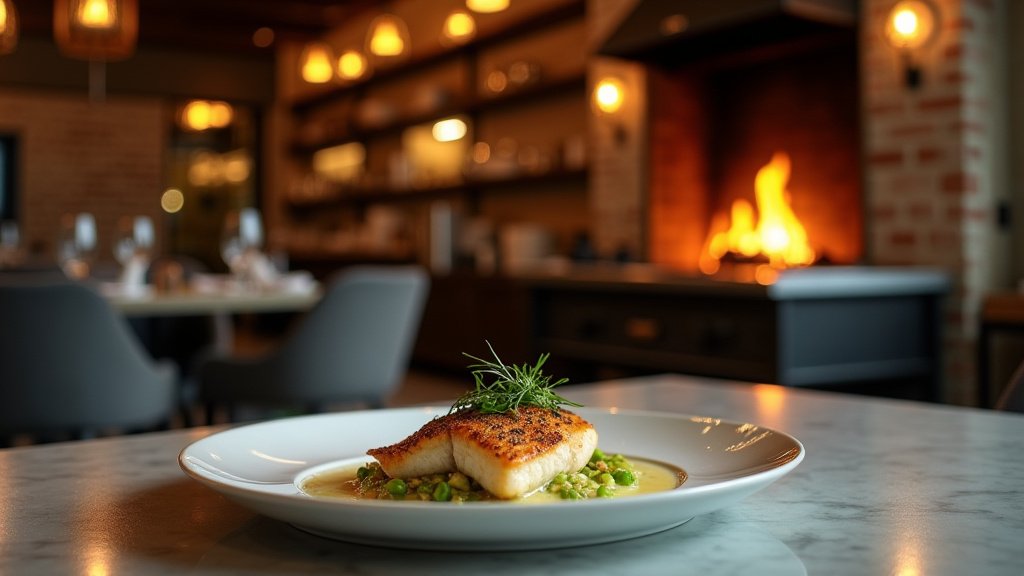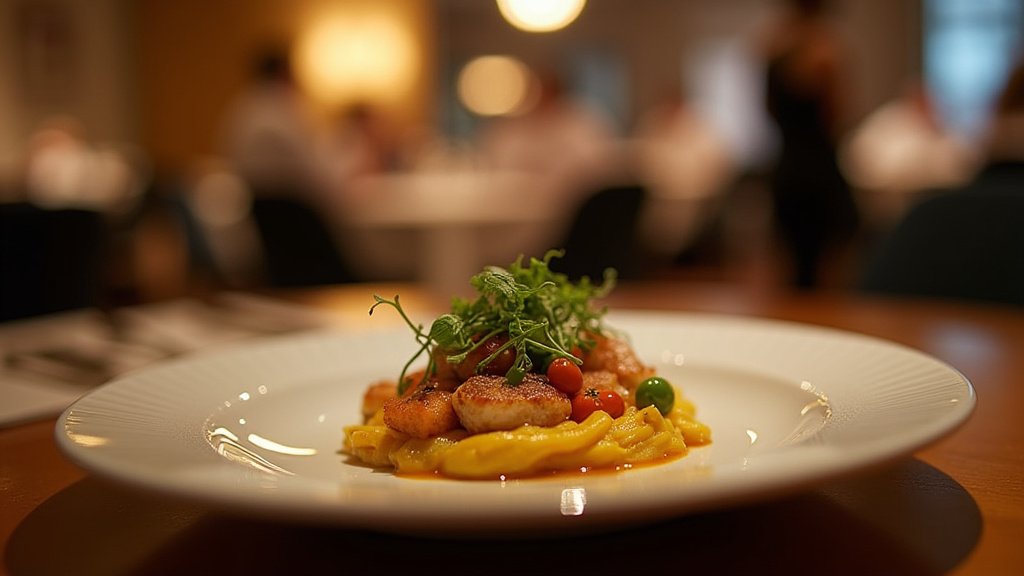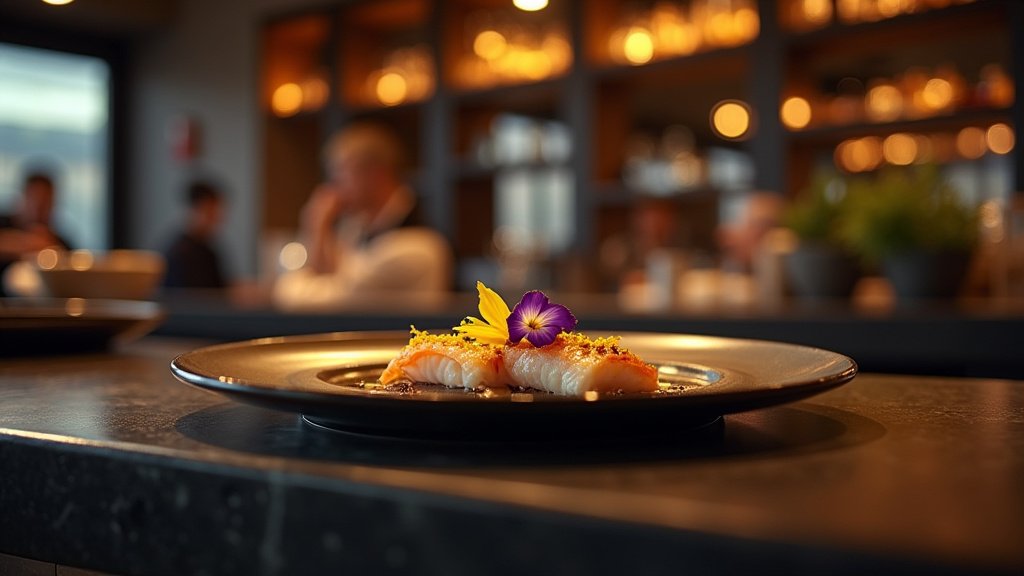
In a display of cross-continental culinary mastery, Chef Guillaume Galliot—the visionary executive chef behind Hong Kong’s three-Michelin-starred Caprice—has arrived in Miami for an exclusive residency at MILA Omakase. Running from April 30 through May 2, 2026, this high-profile collaboration coincides with the height of the 2026 Miami Grand Prix, effectively positioning the 10-seat dining counter as the city’s premier intersection for global motorsport energy and high-fidelity gastronomy. This is not merely a guest chef appearance; it is a meticulously crafted bridge between French haute cuisine and the refined MediterrAsian philosophy that defines the Riviera Dining Group’s flagship concept.
Key Highlights
- Exclusive Three-Night Residency: Chef Guillaume Galliot hosts a limited-engagement, multi-course tasting menu from April 30 to May 2, 2026.
- French-Asian Fusion: The menu features a deliberate blend of Galliot’s signature French technical rigor and MILA Omakase’s Mediterranean-Japanese ingredient-driven ethos.
- High-Stakes Timing: The event is strategically aligned with the 2026 Miami Grand Prix, catering to the city’s influx of elite, international clientele seeking ultra-exclusive, “money-can’t-buy” experiences.
- Intimate Architecture: Operating within a 10-seat counter setting, the experience prioritizes proximity, allowing guests a front-row view of the execution of some of the world’s most refined culinary techniques.
The Culinary Convergence: A Cross-Continental Masterclass
The fundamental draw of this collaboration lies in the juxtaposition of two distinct, yet complementary, culinary worlds. Chef Guillaume Galliot has long been lauded for his tenure at Caprice in the Four Seasons Hotel Hong Kong, where he has maintained three Michelin stars by treating French culinary traditions as a living, breathing language rather than a set of static rules. Galliot’s approach is defined by “savoir-faire”—a profound understanding of the deep, classical foundations of French cooking—which he then disrupts with unexpected, often global, accents. For the discerning diner, witnessing this technical discipline applied to the pristine, ingredient-focused landscape of an omakase environment is a rare privilege.
MILA Omakase, for its part, has built its reputation on a “MediterrAsian” perspective. It is a concept that moves away from the traditional, rigid structures of Japanese omakase, instead opting for a more fluid, narrative-driven dining journey. When these two philosophies meet, the result is an elevation of the omakase format into a grander, more expressive narrative. The chefs are not simply serving fish; they are orchestrating a multi-sensory environment where the acidity and warmth of Mediterranean produce meet the disciplined, umami-rich preparations of Galliot’s French repertoire.
The Anatomy of the 10-Seat Counter
There is a specific psychology at play in a 10-seat omakase counter. Unlike a sprawling main dining room, the counter experience is inherently voyeuristic and intimate. It is a stage where the “fourth wall” between the chef and the diner is removed. During this residency, the pressure is immense; the guests are not just there for a meal—they are there for a performance. This setting allows the kitchen to operate with a surgical level of precision. Every placement of a garnish, every degree of temperature control on the bluefin tuna, and every subtle infusion of a sauce becomes part of the dialogue. For Chef Galliot, accustomed to the grand stage of the Four Seasons, this intimacy is a return to the roots of hospitality, where the connection between the maker and the consumer is direct, unmediated, and immediate.
The Miami Grand Prix Effect: Fueling the Gastronomic Engine
It is impossible to analyze this collaboration without discussing the context of the 2026 Miami Grand Prix. Miami has rapidly transformed into a global hub for luxury hospitality, and “Race Week” has become the most significant economic and cultural event on the city’s calendar. For venues like MILA, this week is not just about serving food; it is about providing a “third space” for the high-net-worth individuals who descend upon the city for the track action.
The demand for exclusivity during this period is insatiable. The city’s top-tier establishments are effectively transformed into private clubs, where access is the currency. By booking a chef of Galliot’s caliber, MILA Omakase effectively secures its place in the “must-visit” ecosystem of F1 week. It signals to the international community that Miami’s culinary scene is not playing catch-up to Paris, London, or Tokyo—it is defining the new standard of what a global, luxury-dining destination looks like. The economics are straightforward: when the world’s attention is on the city, the only way to retain relevance is through partnerships that offer something genuinely irreplaceable.
Looking Forward: The Rise of the Culinary Residency
The trend of the “guest chef residency” is reaching a saturation point in major urban centers, but the MILA Omakase approach offers a template for how to do it correctly. Many restaurants use guest chefs as a marketing gimmick—a “collab” that exists only in name or social media hype. The MILA series, however, demonstrates a deeper commitment to the craft. By integrating the visiting chef into the kitchen’s specific, highly seasonal, and ingredient-heavy workflow, they create a genuine hybrid experience rather than a mere take-over.
Looking ahead, this strategy likely signals a shift for high-end dining groups. As consumers become more sophisticated and well-traveled, they are less impressed by brand names alone and more invested in the narrative and the execution of the experience. The success of this 2026 residency will almost certainly lead to a more aggressive pursuit of international talent by Miami’s top dining groups, effectively turning the city into a permanent, rotating exhibition of the world’s best culinary minds. It is a win-win: the chefs get a platform in a vibrant, high-energy market, and the city’s residents and visitors gain access to experiences that, until recently, would have required a flight halfway across the globe.
FAQ: People Also Ask
Q: What is the significance of Chef Guillaume Galliot’s background?
A: Chef Guillaume Galliot is the executive chef of Caprice at the Four Seasons Hotel Hong Kong. He is world-renowned for holding three Michelin stars and is celebrated for blending classic French haute cuisine techniques with globally-inspired flavors, making him a heavyweight in international fine dining.
Q: How does the collaboration with MILA Omakase work?
A: The collaboration is structured as a “residency,” where Chef Galliot works directly with the MILA Omakase kitchen team to curate a special tasting menu. This allows the kitchen to marry Galliot’s French precision with MILA’s signature MediterrAsian style, offering a menu that diners cannot experience anywhere else.
Q: Why is this event happening during the Miami Grand Prix?
A: The 2026 Miami Grand Prix draws an elite international crowd to the city. By timing the residency to coincide with the race, MILA Omakase provides a high-demand, exclusive culinary experience for visitors who are seeking refined entertainment outside of the racetrack.
Q: Is this a permanent change to the menu at MILA Omakase?
A: No. The collaboration with Chef Galliot is a limited-time engagement running only from April 30 through May 2, 2026. After these dates, the restaurant will return to its standard culinary programming.
Q: Can anyone book a seat for this collaboration?
A: The residency is extremely limited, with only 10 seats available per seating, and two seatings per night. Given the high profile of the event and the timing with the Miami Grand Prix, these reservations are typically fully booked well in advance.