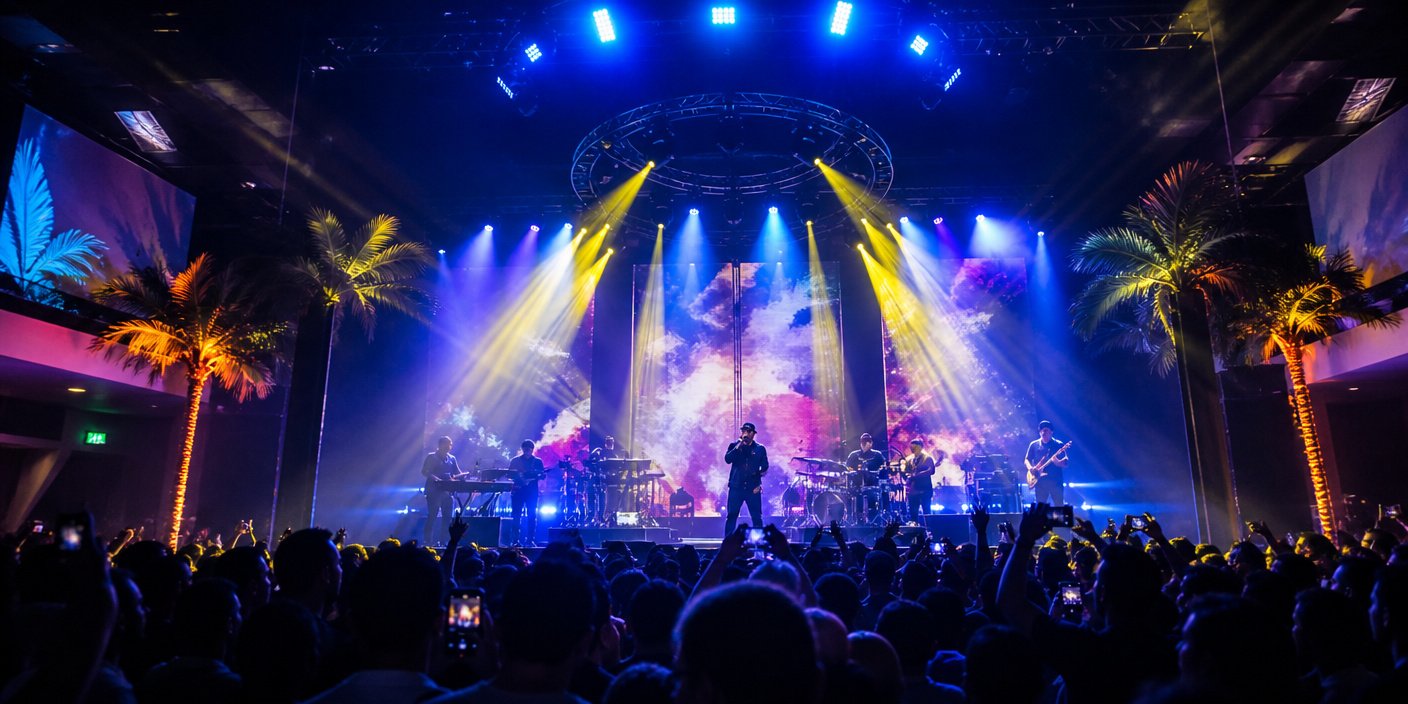
As the final week of August 2026 descends upon South Florida, Miami’s entertainment sector is preparing for a high-intensity showcase that highlights the city’s diverse musical appetite. On August 28, a unique trifecta of performances—DEVO, BossMan Dlow, and K?D—will converge in the city, marking a significant cultural moment that underscores Miami’s status as a premier destination for both legacy acts and contemporary disruptors.
Key Highlights
- Multi-Generational Appeal: The August 28 lineup features a rare stylistic bridge between New Wave pioneers DEVO, Southern rap rising star BossMan Dlow, and electronic visionary K?D.
- Strategic Timing: These performances anchor the final week of August (August 24–31), a critical period for local venue foot traffic as the summer tourism season begins to wane.
- Sonic Diversity: The evening promises a stark contrast in auditory experiences, moving from the satirical, synthesized precision of the late 70s to the aggressive, rhythmic pulse of modern trap and the ethereal, high-energy textures of modern EDM.
The High-Voltage Finale: A Week of Sonic Diversity
The Miami concert calendar for the last week of August 2026 is defined by an eclectic convergence of sound. By hosting artists from vastly different temporal and stylistic eras on a single night, the city’s promoters are effectively catering to a broad demographic of music enthusiasts. This isn’t merely a night of entertainment; it is an exploration of how varied musical lineages—New Wave, Trap, and EDM—resonate within the unique acoustic and cultural architecture of Miami.
The New Wave Legacy of DEVO
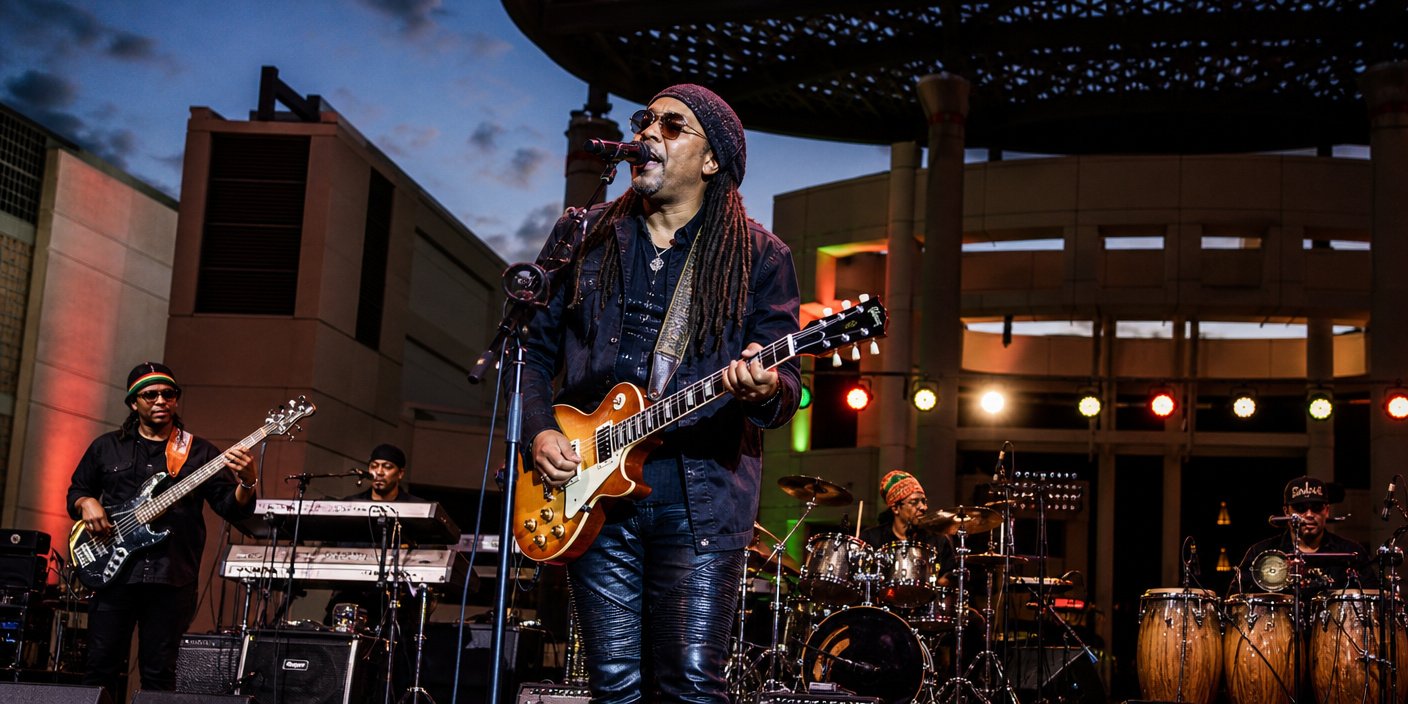
DEVO’s inclusion in the August 28 lineup serves as a profound reminder of the band’s enduring influence on modern pop and electronic music. Known for their anti-establishment ethos and the iconic, jagged synthesizer hooks that defined the late 1970s and early 1980s, the band brings a level of theatrical precision that is rarely seen in today’s more improvisational performance landscape. For Miami audiences, seeing the architects of the “New Wave” era provides a historical anchor. Their performance is expected to lean heavily on the satirical commentary that made hits like “Whip It” global phenomena, while their stage production promises to challenge the audience with the same visual quirkiness that launched the band into MTV-era superstardom.
BossMan Dlow and the Pulse of Modern Hip-Hop
In direct, striking contrast to the synthesized history of DEVO, BossMan Dlow represents the visceral, current state of the Southern hip-hop machine. As a breakout artist, BossMan Dlow has quickly cultivated a reputation for high-octane delivery and a style that is unapologetically rooted in the grit of his upbringing. His presence on the August 28 bill is a testament to the undeniable power of the trap genre in the 305. The juxtaposition of his raw, vocal-forward performance against the backdrop of a city that often favors electronic glitz creates a fascinating tension. For attendees, this set will likely provide the physical, high-energy peak of the evening, showcasing the lyrical agility that has earned him a devoted following across the American South.
K?D and the Evolution of Miami EDM
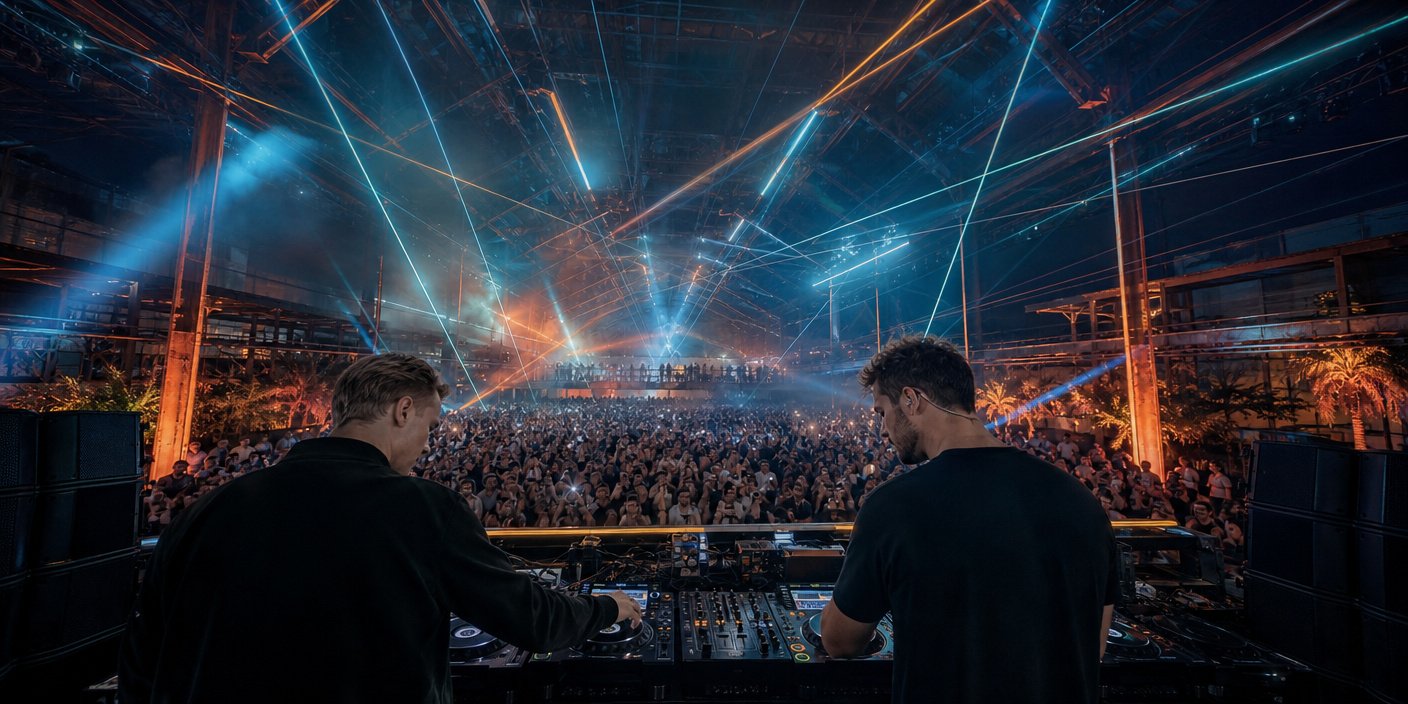
Rounding out this sonic spectrum is the electronic artist K?D. Often characterized by dark, atmospheric, and highly melodic soundscapes, K?D has carved out a niche that transcends traditional “festival EDM.” His performance will utilize the latest in lighting and sound engineering technology, a necessity in Miami’s hyper-competitive nightlife landscape. Whereas DEVO provides the history and BossMan Dlow provides the raw force, K?D brings the ambient immersion. His ability to build complex, layered synth bridges and sudden, heavy bass drops makes him the perfect closer for a city that lives and breathes nightlife. His integration into this specific lineup emphasizes the importance of sound engineering as a performance art in itself.
The ‘305’ Concert Ecosystem
This convergence of talent is not accidental. Miami has long been a barometer for what constitutes a “major” American musical market. The economic reality of the August “shoulder season”—the period after the peak summer rush but before the winter influx—requires venues to curate lineups that can draw significant crowds through sheer variety. By pairing a legacy act, a breakout rapper, and an EDM star, event planners are mitigating risk while maximizing appeal. This “triple-threat” booking strategy ensures that even if a casual fan is only interested in one artist, they are exposed to an entire spectrum of music, potentially converting them into a lifelong listener of the other genres. This strategic curation is, in many ways, the blueprint for the future of touring in mid-sized to large markets. As the industry faces rising costs for touring infrastructure, multi-genre bills that offer “something for everyone” may become the standard rather than the exception.
FAQ: People Also Ask
Q: What is the significance of the August 28 concert date in Miami?
A: August 28, 2026, falls on a Friday, making it a prime date for the city’s entertainment venues to maximize attendance during the final push of the summer season. It represents a focal point of the week-long events scheduled for August 24–31.
Q: How does this concert lineup reflect current music trends?
A: The inclusion of legacy acts like DEVO alongside contemporary hip-hop and EDM artists suggests a shift toward “super-genre” programming, where promoters aim to capture multiple demographic segments in a single event to ensure full venue capacity.
Q: Where can I find information on tickets for these Miami performances?
A: While ticket specifics vary by venue, fans are encouraged to monitor major ticketing platforms and individual venue websites starting now, as the high-profile nature of this specific combination of artists is expected to drive high demand for the August 28 date.
Q: Is this lineup representative of Miami’s typical summer music scene?
A: While Miami has a robust electronic scene, this specific combination of New Wave, Trap, and EDM is an example of “curated diversity,” which is becoming increasingly common as promoters seek to distinguish their offerings from generic summer concert series.