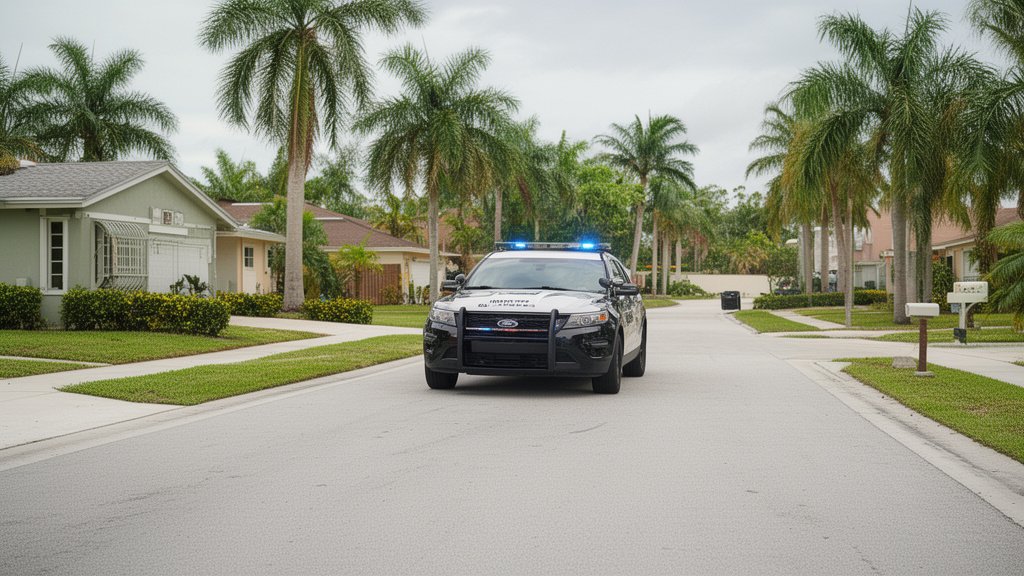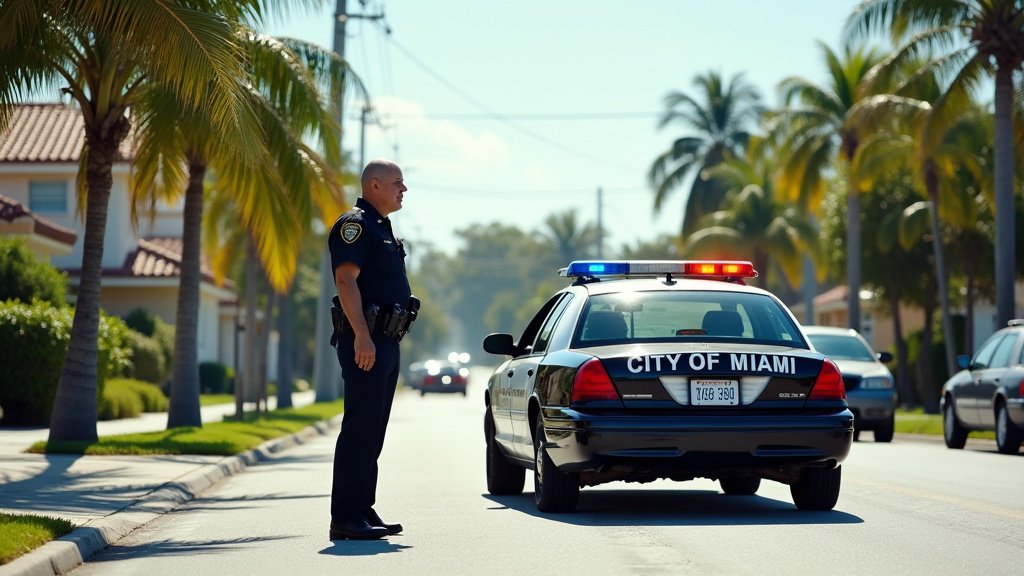
City of Miami Police have issued an urgent plea for public assistance in the search for 95-year-old Rolando Ferrer, who was reported missing early Saturday morning in the Flagami neighborhood. Law enforcement officials have categorized the disappearance as a high-priority case due to Ferrer’s advanced age and the immediate risks associated with his safety. As the search enters its critical phase, the department is deploying search-and-rescue units, air support, and community coordination teams to canvas the area where he was last seen.
The Disappearance of Rolando Ferrer
Rolando Ferrer, 95, was last accounted for on Saturday morning, according to official reports released by the City of Miami Police Department. The disappearance has sent a wave of concern throughout the Flagami community, a dense residential area of Miami. Family members alerted authorities immediately upon noticing his absence, initiating the police response that is now standard protocol for vulnerable adults. The disappearance occurred during daylight hours, but the transit of an individual of his age across an urban environment introduces complex challenges regarding navigation, orientation, and access to medical care. Police are currently analyzing doorbell camera footage and traffic surveillance from the surrounding blocks, hoping to establish a timeline of his movements since the moment he was last observed.
The Critical Window and Senior Vulnerability
In search-and-rescue operations involving elderly individuals, the first 24 to 48 hours are widely considered the most crucial period. For individuals like Ferrer, age-related factors—which may include cognitive decline, physical fatigue, or environmental susceptibility—greatly increase the urgency of the investigation. The physiological demands on a 95-year-old in a metropolitan environment are severe, particularly when considering the potential for dehydration or disorientation. Miami’s climate, known for its sudden shifts in humidity and heat, poses an additional threat to safety. Search coordinators have emphasized that the priority is not only locating the missing person but ensuring they are shielded from the environmental variables that can turn a missing person case into a medical emergency. The department is relying on K-9 units and neighborhood canvassing to track potential directions of travel, focusing on both high-traffic corridors and hidden residential pathways where a senior might inadvertently wander.
Understanding the Florida Silver Alert System
The activation of public alerts in cases like Ferrer’s is guided by Florida’s robust Silver Alert system. Designed specifically for individuals aged 60 and older—or those aged 18 and older with a documented cognitive impairment, such as Alzheimer’s or dementia—this system mirrors the utility of the better-known Amber Alert. The Silver Alert allows law enforcement to disseminate information rapidly across digital message boards, broadcast media, and cellular push notifications. By engaging the public in the search, the police extend their eyes and ears far beyond the reach of standard patrol units. This localized broadcast is essential in Miami, where the density of the urban grid makes it easy for individuals to be obscured by ongoing traffic or dense neighborhood architecture. Understanding this system highlights why the police provide such specific details, such as physical descriptions and last-known attire, to the public; these details act as primary identifiers that enable citizens to provide actionable, real-time intelligence.
Navigating the Urban Landscape of Flagami
Flagami, one of Miami’s most populous and historically significant neighborhoods, presents a unique set of challenges for search efforts. Characterized by its combination of single-family homes, small multi-unit apartments, and bustling commercial strips along Flagler Street, the area is a labyrinth for a missing senior who may be experiencing cognitive disorientation. The geography of Flagami includes various transit routes that can inadvertently carry a pedestrian away from their point of origin within minutes. Police efforts are currently focusing on “micro-searches”—thoroughly checking the perimeter of nearby parks, alleys, and commercial nodes that could offer temporary shelter or confusion points. These search patterns are not random; they are mapped based on historical data regarding senior wandering behaviors, which often involve walking in a straight line or following familiar, though potentially dangerous, paths. The coordination between municipal police and local transit authorities is a vital component of this strategy, ensuring that bus drivers and ride-share operators are also alerted to the search.
How Community Vigilance Facilitates Search Efforts
The success of search efforts often hinges on the “human sensor network”—the residents, business owners, and local commuters who interact with the environment. In the Flagami case, the City of Miami Police are urging residents to treat the request for information with the utmost seriousness. This means not just checking personal security cameras for any signs of Ferrer, but also actively engaging with the description provided. Small details, such as a specific gait, clothing, or a confused demeanor in a public space, are exactly the types of leads that have historically led to the safe recovery of missing seniors. Community vigilance serves as a force multiplier for law enforcement. When residents proactively share police-issued posters on social media and maintain awareness while driving, the “search area” effectively expands from a few city blocks to a vast, networked monitoring grid. Authorities request that anyone who believes they have seen someone matching Ferrer’s description contact the Miami Police Department immediately, emphasizing that it is always better to report a potential sighting that turns out to be incorrect than to ignore a sighting that could have saved a life.
FAQ: People Also Ask
What is a Silver Alert in Florida and when is it issued?
A Silver Alert is a public notification system in Florida used to help locate missing seniors or adults with cognitive impairments. It is issued when law enforcement determines the person is in immediate danger or missing under suspicious circumstances. Criteria include being age 60 or older, or 18+ with a clear diagnosis of cognitive impairment.
How can I help if I am in the Flagami area?
If you are in the Flagami neighborhood, remain vigilant. Check your doorbell camera footage or security system archives from Saturday morning. If you see someone matching Rolando Ferrer’s description, contact the City of Miami Police Department immediately rather than attempting to approach or move the person yourself.
Why are missing persons cases for the elderly considered high priority?
Cases involving the elderly are prioritized because the window for safe recovery is significantly narrower than for younger adults. Factors such as medical needs, the risk of dehydration, the confusion caused by cognitive issues, and the physical vulnerability of a 95-year-old make immediate, widespread police intervention necessary to prevent life-threatening outcomes.
What should families do to prevent elderly wandering?
Families of seniors are encouraged to use GPS-tracking wearables, maintain updated “care packets” with recent photos and medical info, and utilize the “Project Lifesaver” program, which provides bracelets with radio transmitters that police can track to locate missing individuals in minutes.