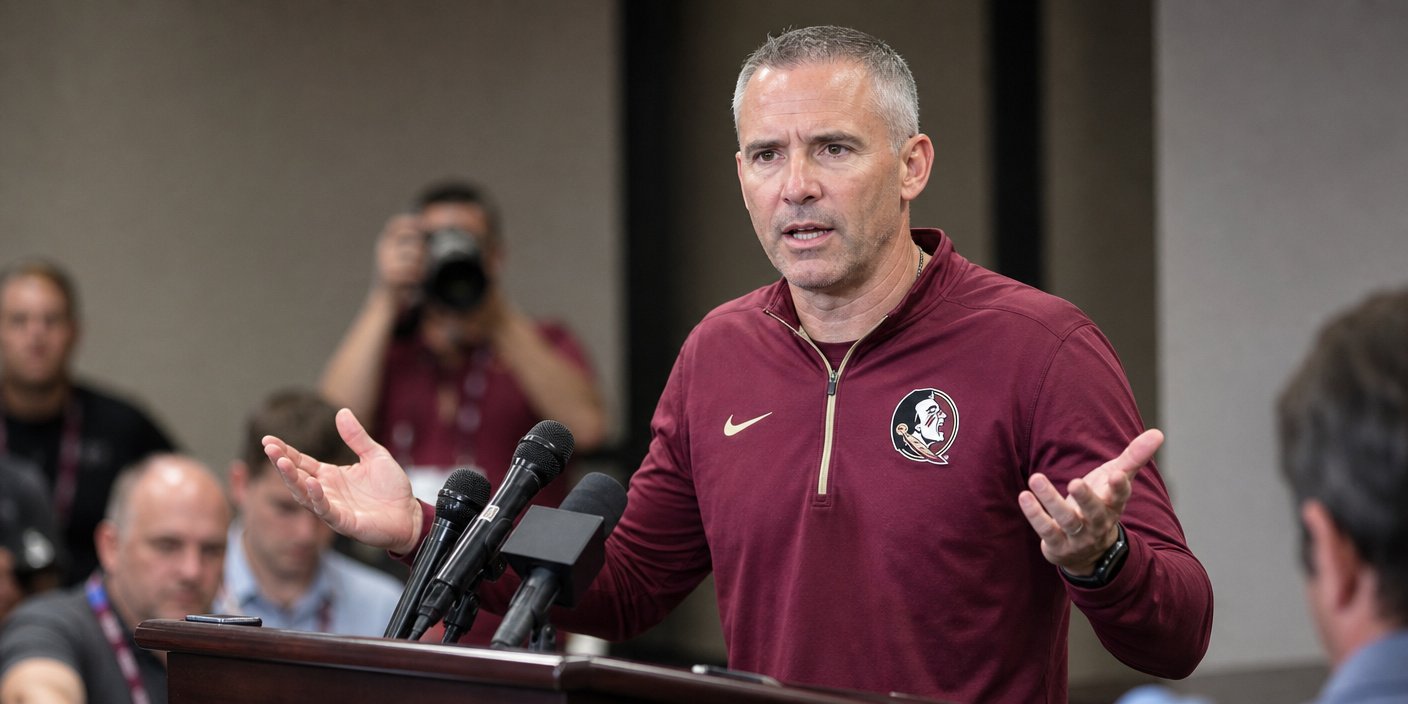
Florida State head coach Mike Norvell did not mince words following his team’s heart-wrenching 43-35 double-overtime loss to the Miami Hurricanes, publicly labeling a pivotal holding penalty in the second overtime as “an absolute joke.” The call, which stifled a critical offensive drive for the Seminoles, has reignited long-standing debates regarding the consistency and impact of officiating within the Atlantic Coast Conference (ACC) and the broader landscape of modern college football.
Key Highlights
• Mike Norvell publicly condemned a second-overtime holding penalty, calling the officiating decision “an absolute joke.”
• The game ended in a 43-35 loss for Florida State against arch-rival Miami, with the disputed flag occurring at a critical juncture.
• The controversy underscores the immense pressure on ACC officiating crews during high-stakes rivalry matchups.
• Analysts and fans continue to debate the impact of discretionary calls in the era of replay review and high-definition broadcast standards.
The Fallout of the 43-35 Showdown: A Call That Defined the Outcome
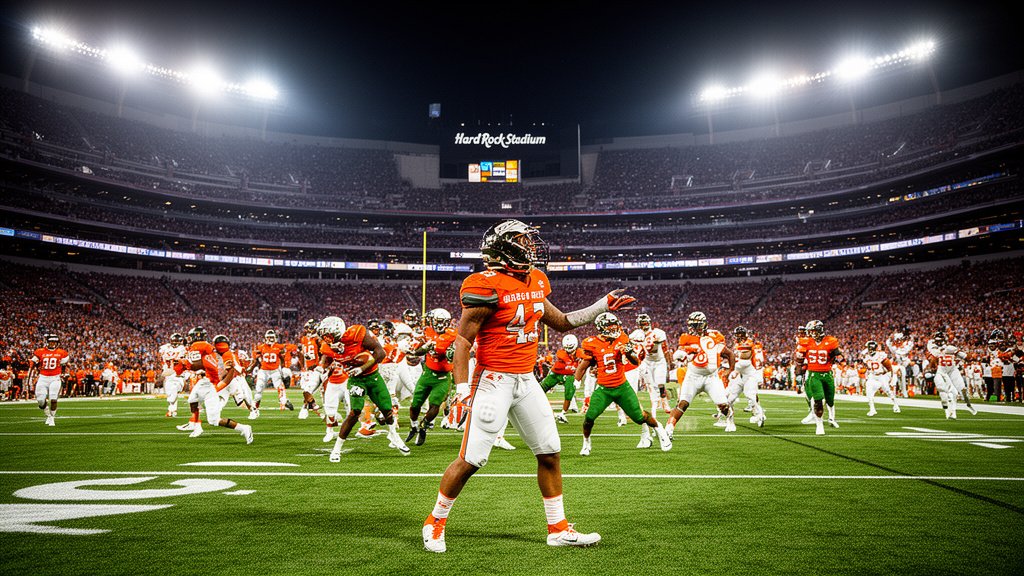
The FSU-Miami rivalry is historically defined by razor-thin margins and intense physical play. However, the 43-35 loss in double overtime has become less about the spectacular plays on the field and more about the officiating crew’s intervention. As the Seminoles pressed forward in the second overtime period, seeking to keep their hopes alive, a yellow flag flew, signaling a holding penalty that effectively erased the momentum FSU had painstakingly built.
The Anatomy of the Disputed Penalty
In the aftermath of the game, Norvell addressed the media with rare, unfiltered frustration. Coaches are typically cautious when discussing officiating to avoid potential fines or disciplinary action from the league. However, Norvell’s assertion that the call was “an absolute joke” suggests a breaking point regarding the interpretation of technical fouls. In modern football, the distinction between a “good block” and a “holding penalty” often relies on the referee’s subjective view of jersey tugs versus chest-plate engagement. For Norvell, this particular instance was a clear overreach that fundamentally altered the competitive landscape of the game.
Institutional Pressure on ACC Officiating
This incident is not an isolated event but rather part of a growing trend of public scrutiny regarding ACC officiating. With NIL (Name, Image, and Likeness) valuations and conference expansion increasing the stakes for every single game, the margin for error has vanished. When an official makes a call that effectively seals a loss in overtime, it brings into question the internal mechanisms used to train, monitor, and hold officials accountable. The Seminoles’ program, already navigating a challenging season, now faces the task of regrouping while simultaneously managing the emotional fallout of a loss many believe was dictated by the stripes rather than the players.
The Rivalry Impact and Future Implications
For Florida State, the loss to Miami is more than just a notch in the loss column; it is a significant emotional and psychological blow in the context of their in-state rivalry. The intensity of the Miami-Florida State game is unparalleled in the ACC, and when a game is decided by a disputed penalty, it creates a lingering narrative that threatens to overshadow the actual athletic achievements on the field. Coaches must now balance their public outrage with the need to maintain team morale and focus. Norvell’s comments reflect the collective frustration of a locker room that felt, rightly or wrongly, that their destiny was taken out of their hands.
FAQ: People Also Ask
Why was Mike Norvell so vocal about this specific holding penalty?
Norvell’s frustration stems from the timing and impact of the penalty. In a double-overtime situation, every single play is critical. By calling a penalty that erased a positive play, the official effectively shifted the outcome of the game at a moment when the players should have been the primary focus.
Do coaches often criticize officiating publicly?
While common in frustration, public criticism of officiating is relatively rare due to strict conference policies regarding the disparagement of game officials. Norvell’s willingness to risk potential league reprimand highlights the intensity of his dissatisfaction.
How does this affect FSU’s standing in the ACC?
This loss creates a significant hurdle for the Seminoles. In college football, where every loss is magnified, dropping a rivalry game under controversial circumstances makes it difficult for the coaching staff to maintain momentum throughout the remainder of the season.
Will the ACC issue a clarification on this call?
While conferences occasionally provide private feedback to coaching staffs regarding officiating, public reversals or admissions of error are rare. The controversy typically remains in the media spotlight for a short period before attention shifts to the next week’s games.