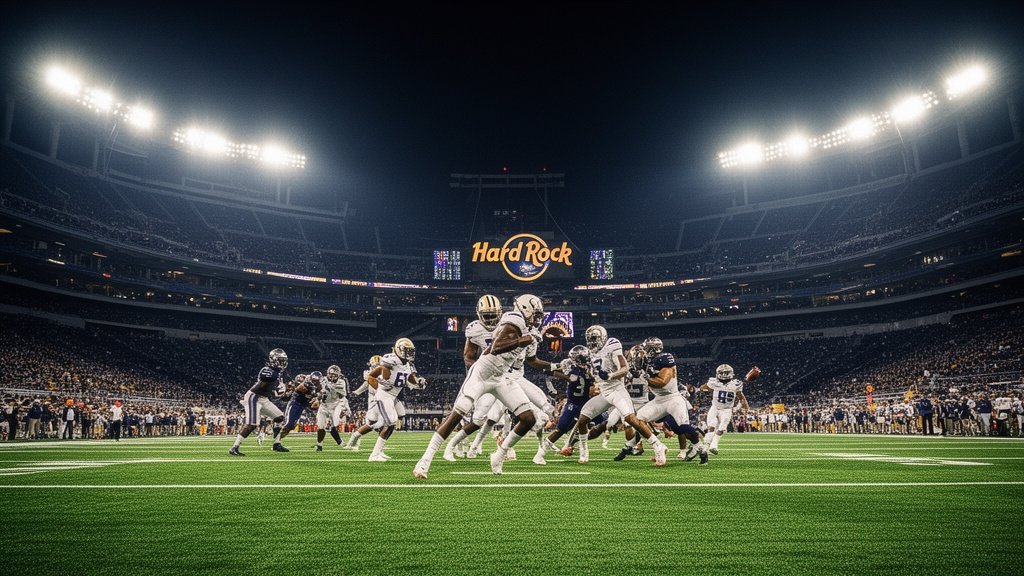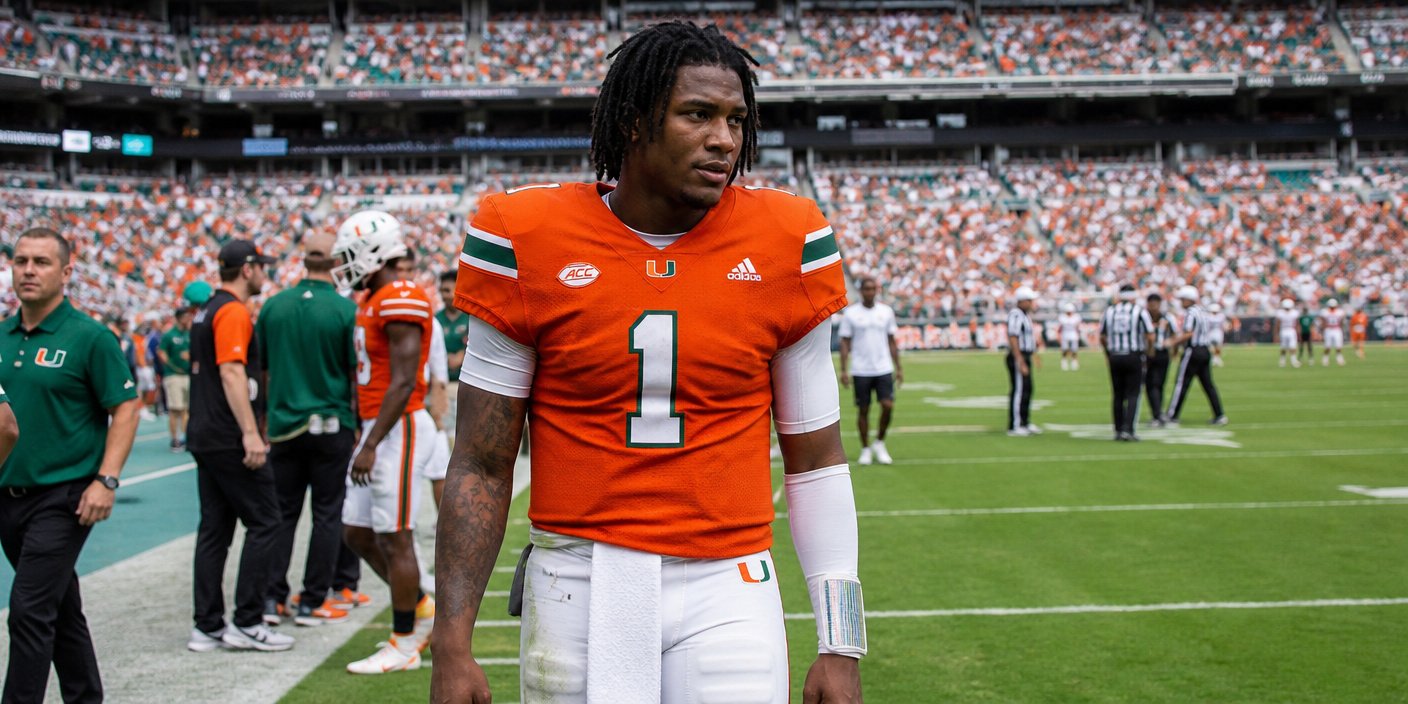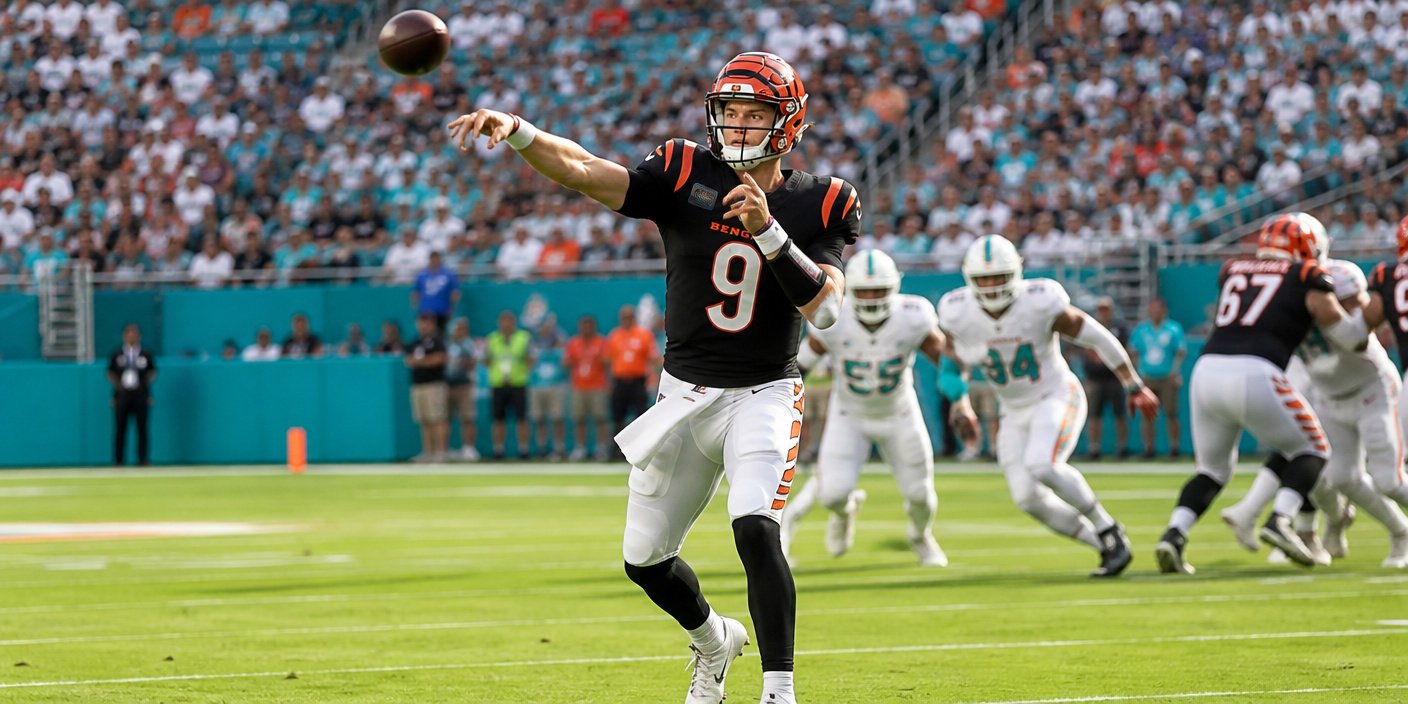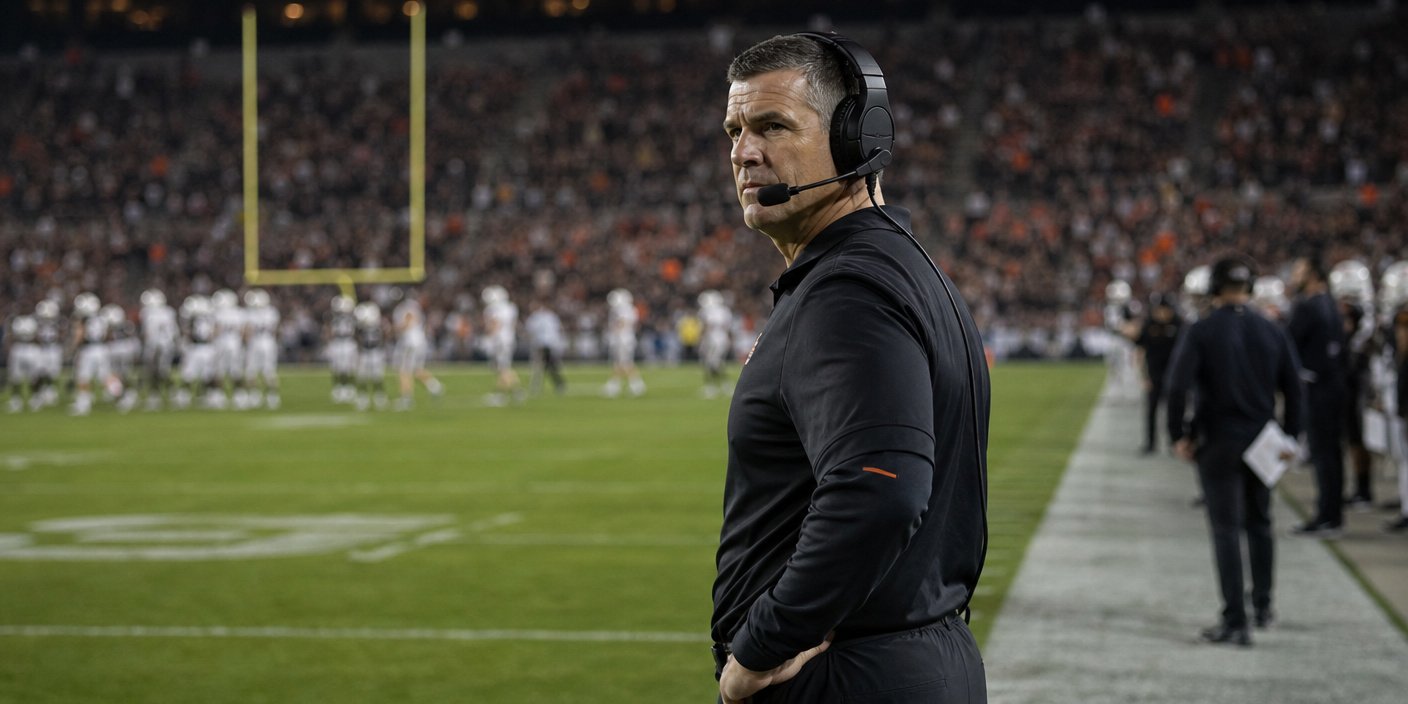
The college football landscape underwent a tectonic shift this past Saturday, a day that will be etched into the annals of the sport as one of the most volatile in the history of the AP Top 25 rankings. With five of the top seven programs suffering defeats, the door has swung wide open for the Miami Hurricanes to ascend to the No. 1 position. Fresh off a high-stakes, double-overtime victory against the Florida State Seminoles, Miami finds itself not just in the conversation, but firmly at the center of the national championship discussion.
Key Highlights
- Historic Volatility: Five of the top seven AP-ranked college football teams suffered losses on Saturday, creating an unprecedented vacuum at the top of the rankings.
- The Hurricane Factor: Miami’s double-overtime survival against Florida State has vaulted them into prime position to secure the No. 1 overall ranking in the upcoming AP Poll.
- Playoff Implications: This disruption significantly alters the trajectory of the newly expanded College Football Playoff, with the Hurricanes emerging as a definitive frontrunner for a top-four seed.
- Statistical Dominance: The weekend’s upsets represent the most significant consolidation of power in the ACC and beyond, signaling a potential changing of the guard in the national hierarchy.
The New Hierarchy: A Seismic Shift in College Football Rankings
The events of this past weekend did not merely shuffle the deck; they dismantled it. In a sport that often relies on the inertia of established prestige, Saturday served as a blunt reminder that performance in the present moment is the only currency that matters. As the dust settles, the Miami Hurricanes—long viewed as a program on the precipice of a renaissance—now stand at the vanguard of the collegiate gridiron.
The Saturday of Chaos: When the Giants Fell
To understand the magnitude of Miami’s potential No. 1 ranking, one must first survey the wreckage of the weekend. With five of the top seven teams in the AP Top 25 falling, the sport experienced a rare moment of collective vulnerability. The losses were not merely upsets; they were structural collapses for programs that had previously been considered locks for the College Football Playoff.
For analysts and fans alike, this saturation of failure creates a unique mathematical and subjective challenge for the AP voters and the College Football Playoff committee. When the teams previously occupying the penthouse of the rankings falter simultaneously, it forces a re-evaluation of strength-of-schedule and performance metrics. Miami, which managed to navigate its own treacherous waters against Florida State, is the beneficiary of this chaos. The Hurricanes did not just win; they displayed the grit required of a champion, battling through two overtime periods to secure a victory that now appears far more valuable than it did before kickoff.
Inside the Hurricanes’ Double-Overtime Escape
The victory over the Florida State Seminoles was far from a comfortable affair. It was a grind—a test of endurance and tactical discipline that defines the tenure of head coach Mario Cristobal. Miami’s ability to absorb the pressure of a rivalry game while knowing that their peers across the country were imploding speaks to the mental fortitude that is currently defining the 2024 Hurricanes.
Quarterback play, turnover margins, and defensive stops were the pillars of this win. As Miami prepares for the inevitable scrutiny that comes with the No. 1 ranking, the lessons learned in the FSU clash will be vital. The coaching staff has successfully implemented a physical, trench-oriented philosophy that allows the team to weather the storm when the offense faces resistance. This identity is exactly what the playoff committee looks for when evaluating championship-caliber teams in the modern era.
The Strategic Value of the No. 1 Seed
In the era of the expanded playoff, the No. 1 seed is more than just a badge of honor; it is a strategic asset. By securing the top spot, a team typically earns a bye week and a more favorable path through the bracket. For Miami, reaching this pinnacle mid-season provides psychological dominance. It forces future opponents to game-plan for a target, effectively shifting the pressure of the “must-win” environment onto every team that faces the Hurricanes for the remainder of the schedule.
This ranking is also a recruiting tool. The “U” has historically been synonymous with swagger and dominance, and reclaiming the No. 1 spot provides the necessary ammunition for Cristobal to continue dominating the transfer portal and high-school recruiting cycles. The narrative has shifted from “Miami is rising” to “Miami is the team to beat.”
Secondary Angles: Examining the Broader Impact
1. The ACC’s National Standing: The Hurricanes’ climb has massive implications for the Atlantic Coast Conference. Long overshadowed by the SEC and the Big Ten, Miami’s ascent provides the ACC with a legitimate, undefeated—or near-undefeated—representative capable of winning the national title. This bolsters the conference’s financial viability and its leverage in future media rights negotiations, proving that the ACC is not a two-horse race, but a competitive league capable of producing national elites.
2. The End of Preseason Bias: This weekend proves that preseason rankings are increasingly obsolete. The swiftness with which the top seven teams were dismantled suggests that voter bias, which often favors established brands, is being overridden by the reality of on-field performance. This shift favors programs like Miami, which are currently playing “hotter” football than teams that have relied on reputations earned in prior seasons.
3. Betting Market Volatility: For the sports betting industry, the sudden shift in rankings creates a “buy low, sell high” scenario that rarely presents itself this deep into the season. The bookmakers are now forced to readjust odds on national championship futures, potentially creating value for bettors who recognized Miami’s potential early. Conversely, the public perception will likely over-correct, making the Hurricanes massive favorites in their upcoming matchups, which could inflate point spreads and create intriguing opportunities for sharp bettors to look at the underdogs.
FAQ: People Also Ask
Q: How do the AP voters typically determine the No. 1 team after a chaotic week?
A: Voters prioritize head-to-head results, strength of schedule, and the quality of recent wins. When multiple top teams lose, voters look for the team with the most complete resume—offense, defense, and special teams efficiency—often rewarding teams that controlled their own destiny during the chaos.
Q: Is a No. 1 ranking a curse or a blessing?
A: While it brings increased media scrutiny and makes the team a “target,” it is universally considered a blessing. It provides a distinct advantage in the College Football Playoff bracket, including a likely first-round bye and home-field considerations, which are invaluable for player recovery and preparation.
Q: How does this win over FSU specifically impact Miami’s playoff path?
A: Rivalry wins are heavily weighted by the committee. Overcoming a traditional power like Florida State, especially in a high-pressure double-overtime scenario, demonstrates resilience. It helps mitigate concerns about Miami’s consistency in high-stakes environments, strengthening their case for a top-four seed.
Q: Could other teams jump Miami for the No. 1 spot?
A: It depends on the margins of victory and the strength of the remaining schedules for other undefeated or one-loss teams. However, given the unprecedented nature of the losses seen by the current top seven, Miami’s “eye test” score, bolstered by their comeback grit, gives them a compelling argument to leapfrog others.