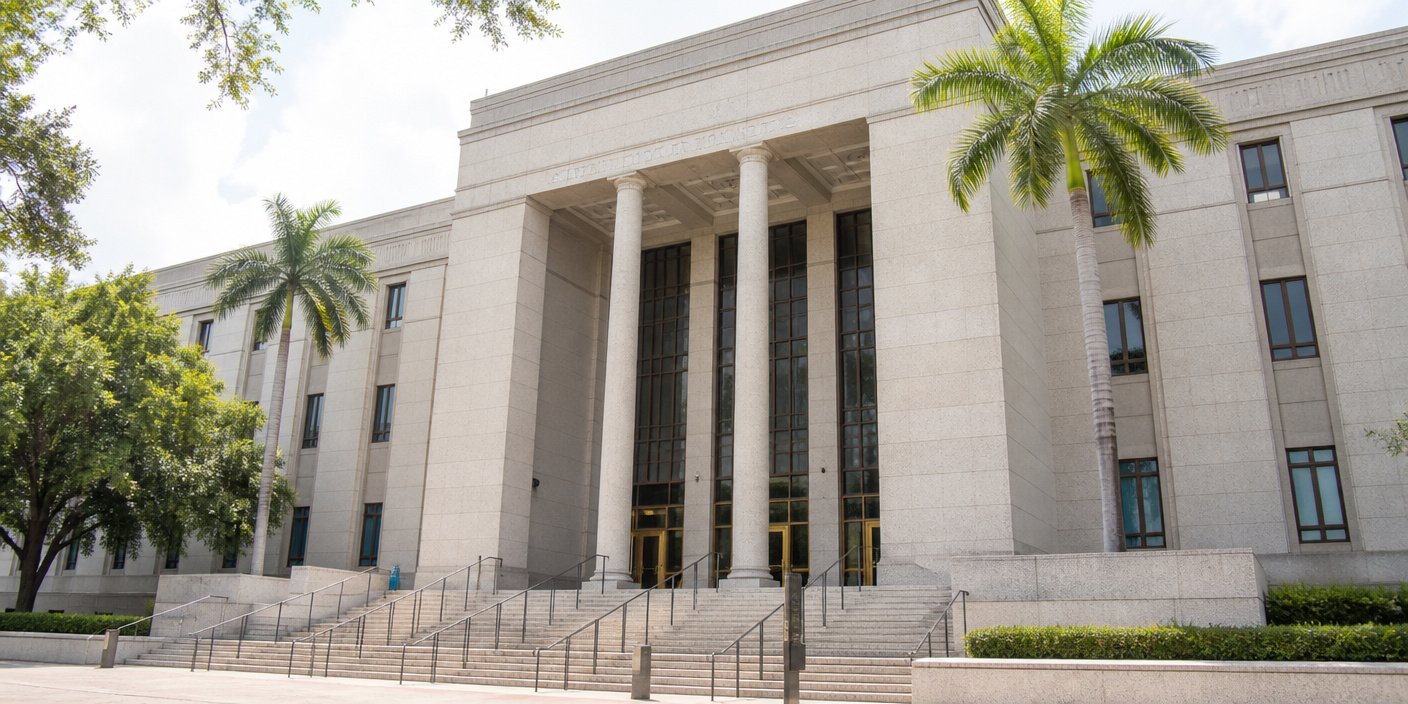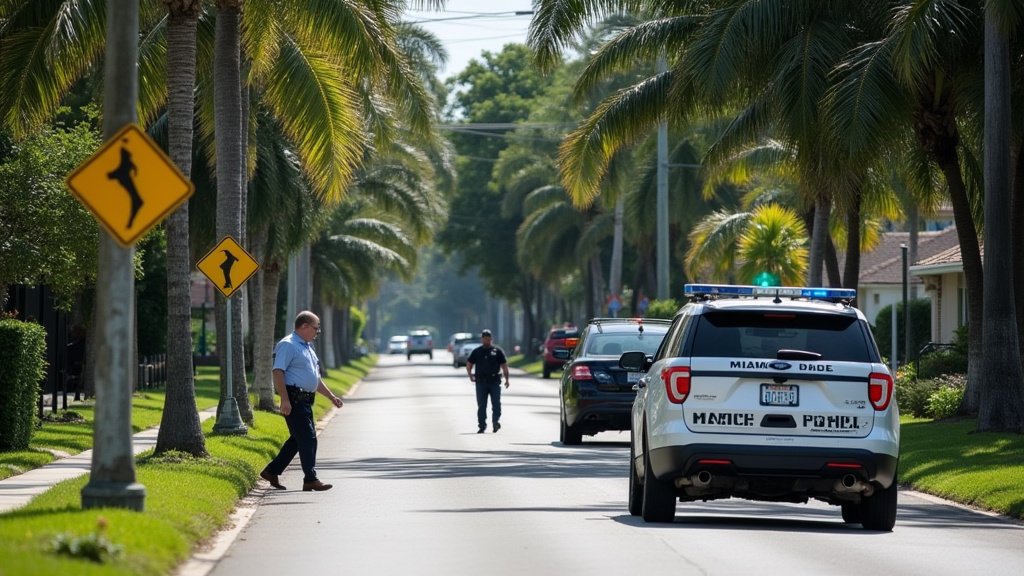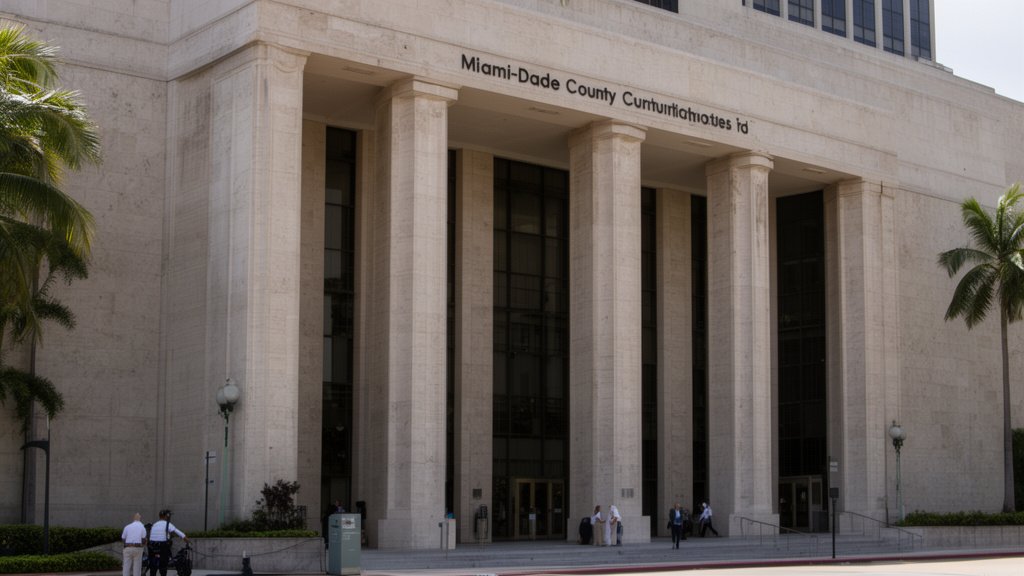
A Miami-Dade Circuit Court judge has formally issued an arrest warrant for former Cuban President Raúl Castro, marking a significant, if largely symbolic, escalation in the decades-long legal battle regarding the 1996 shootdown of two civilian aircraft. The order follows state charges related to the deaths of four individuals, three of whom were U.S. citizens, during the mission conducted by the humanitarian group Brothers to the Rescue. This legal development, while unlikely to result in an immediate transfer of custody, places renewed pressure on the legacy of the Castro regime and keeps the international spotlight firmly on unresolved human rights abuses tied to the incident.
Key Highlights:
- Arrest warrant issued: A Miami judge has signed an order for the arrest of 95-year-old former Cuban President Raúl Castro.
- 1996 Shootdown: The charges stem from the February 24, 1996, incident where Cuban Air Force MiG jets shot down two Brothers to the Rescue Cessna planes in international waters.
- Fatalities: Four people were killed in the incident: U.S. citizens Carlos Costa, Mario de la Peña, and Armando Alejandre Jr., and Cuban-American resident Pablo Morales.
- Legal Standing: The warrant represents a significant legal assertion of jurisdiction over state actors involved in international atrocities, though enforcement remains complex due to diplomatic immunity and international law constraints.
Seeking Accountability for the 1996 Aerial Tragedy
The issuance of this warrant serves as a poignant reminder of the event that shook the Cuban exile community and redefined U.S.-Cuba relations in the mid-1990s. On February 24, 1996, Brothers to the Rescue, an organization dedicated to spotting rafters fleeing the island, launched a mission that resulted in the loss of four lives. According to investigative reports and subsequent international findings, the unarmed Cessna aircraft were intercepted and destroyed by Cuban MiG fighters. The incident was not merely a territorial dispute; it was a deliberate act of state-sanctioned violence that claimed the lives of three U.S. citizens and one resident.
The Legal and Historical Context
Raúl Castro, who served as Minister of the Armed Forces at the time of the shootdown and later as President of Cuba, has long been a primary target of lawsuits filed by the families of the victims. For nearly three decades, legal representatives for the survivors have navigated the complexities of the Foreign Sovereign Immunities Act and the Anti-Terrorism and Effective Death Penalty Act. The decision to issue this warrant underscores the persistence of the judiciary in Miami—a hub for the Cuban diaspora—to utilize every available legal mechanism to seek justice for those lost.
However, the path to enforcement is fraught with obstacles. Under international law, heads of state—or former heads of state—often enjoy immunity from foreign criminal prosecution. The Cuban government has consistently dismissed such actions as politically motivated and invalid, maintaining that the aircraft were violating Cuban airspace, a claim refuted by the United States government and the International Civil Aviation Organization (ICAO).
The Impact on U.S.-Cuba Relations
This legal development arrives at a delicate time in the geopolitical relationship between Washington and Havana. Historically, the 1996 incident was a catalyst for the tightening of U.S. sanctions, most notably via the Helms-Burton Act, which codified the trade embargo into law. By bringing the legal focus back to this specific incident, the Miami-Dade court is echoing the sentiments of many who argue that normalizing relations with Cuba cannot occur without addressing past state-sponsored violence against American citizens.
Analysts suggest that while Raúl Castro, now 95, remains in retirement, the symbolic weight of an arrest warrant complicates any attempts at diplomatic rapprochement. It serves as a permanent mark on the record of the revolutionary government, ensuring that the victims of the 1996 shootdown are not relegated to the footnotes of history.
Survivor Perspectives and the Fight for Justice
For the families of Carlos Costa, Mario de la Peña, Armando Alejandre Jr., and Pablo Morales, the warrant is a validation of their decades-long crusade. Organizations like the Foundation for Human Rights in Cuba and the families of the victims have argued that silence is tantamount to complicity. This warrant is viewed by these groups as an essential step in establishing a documented legal record of the events, which may eventually serve as evidence in future international tribunals or human rights commissions. The resilience of these families has maintained the visibility of the tragedy, preventing the narrative from being erased or distorted by official state media outlets in Cuba.
FAQ: People Also Ask
1. Why was the warrant issued now for an event that happened in 1996?
The legal process involving the deaths of the Brothers to the Rescue pilots has been ongoing for decades through various civil and criminal filings. The issuance of this warrant is part of a continuous effort by the victims’ estates and their legal teams to exhaust all domestic legal avenues, potentially setting the stage for future international proceedings or keeping pressure on the individuals allegedly responsible.
2. Will Raúl Castro be arrested?
It is highly unlikely. Raúl Castro lives in Cuba and remains a protected figure by the state. Under international law, former heads of state are often granted immunity, and there is no extradition treaty that would facilitate his transfer to a U.S. court. The warrant functions primarily as a statement of legal intent and a symbolic assertion of jurisdiction.
3. What were the specific charges?
The charges relate to the role played by the Cuban military and leadership in the intentional destruction of civilian aircraft in international airspace, which resulted in the death of three U.S. citizens and one legal resident. This is typically prosecuted under statutes related to extraterritorial crimes and conspiracy to commit acts of violence against U.S. citizens.
4. What was Brothers to the Rescue?
Brothers to the Rescue was a humanitarian organization founded in 1991, primarily by Cuban exiles. Its primary mission was to patrol the Florida Straits to spot and assist Cuban rafters (balseros) attempting to cross to the United States, often providing medical support and alerting the U.S. Coast Guard.