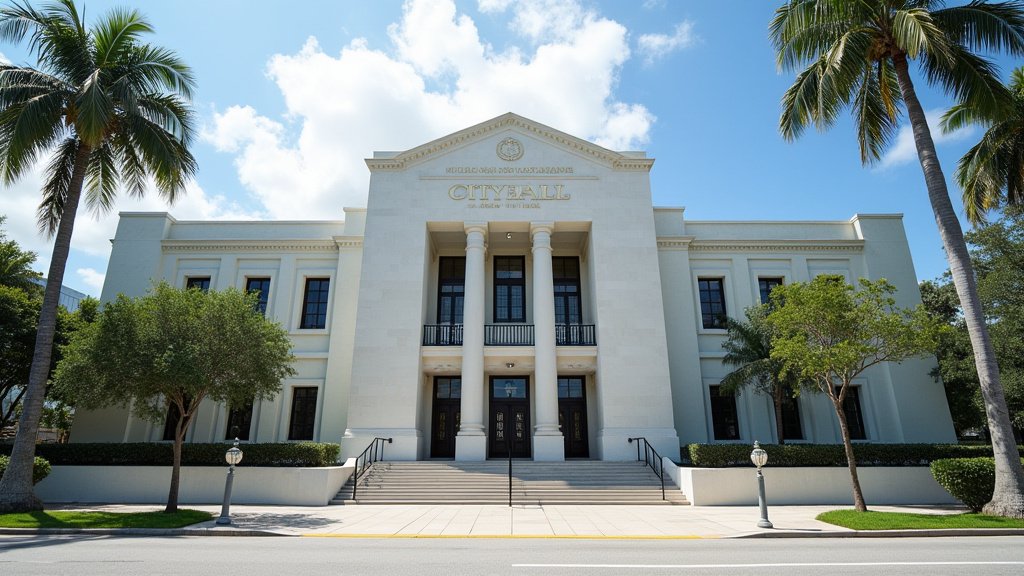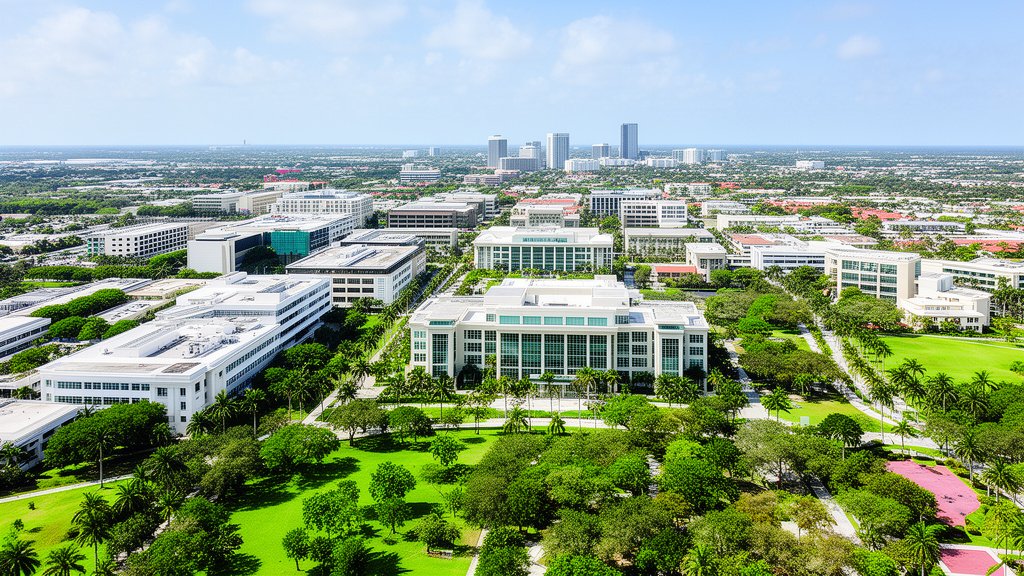
The Coral Gables City Commission has officially approved a historic 30-year master plan for the University of Miami (UM), a landmark legislative decision that will fundamentally reshape the university’s physical footprint and strengthen its role as an economic and medical anchor in South Florida. This extensive agreement, finalized after months of negotiation, balances the university’s need for increased density and modern academic infrastructure with the city’s requirements for community enrichment and architectural harmony. By authorizing this long-term framework, the commission has paved the way for a transformative period of development that includes the addition of a 100-bed hospital to the UHealth system and the transfer of a significant 5.5-acre parcel of land to the city for public park space.
Key Highlights
- 30-Year Horizon: The master plan provides a comprehensive zoning and development roadmap for the University of Miami through the next three decades.
- Medical Expansion: The agreement authorizes the construction of a new, 100-bed hospital, significantly bolstering UHealth’s healthcare capacity within the Coral Gables city limits.
- Public Benefit: A 5.5-acre parcel of land will be transferred from the university to the City of Coral Gables, earmarked for the development of a public park to enhance community green space.
- Increased Density: The plan grants the university the ability to increase campus density, facilitating the construction of state-of-the-art academic and research facilities required to maintain UM’s competitive standing in higher education.
The Blueprint for a Modern Campus: Zoning and Strategic Growth
The approval of this 30-year master plan represents one of the most consequential urban planning decisions in the history of Coral Gables. At its core, the plan is a delicate exercise in balancing the institutional goals of a top-tier research university with the preservation of the surrounding residential character that defines the ‘City Beautiful.’
Integrating the University into the Urban Fabric
For decades, the University of Miami has served as both an educational institution and a significant economic engine. The new master plan modernizes the zoning regulations that governed the campus, many of which had become outdated. By allowing for greater floor-area ratios and height flexibility in specific zones, the university can now consolidate fragmented departments, create integrated research hubs, and update aging lecture halls. This modernization is not merely cosmetic; it is essential for recruiting world-class faculty and maintaining the university’s research productivity, which relies heavily on high-tech laboratories and collaborative workspaces.
UHealth: The Expansion of Medical Infrastructure
The most headline-grabbing component of the agreement is the approval of a 100-bed hospital under the UHealth banner. This facility is a strategic play to centralize medical services and provide a high-level clinical training ground for students at the Miller School of Medicine. Previously, UHealth’s inpatient footprint was largely concentrated at the medical campus in downtown Miami. This expansion brings advanced inpatient care directly to the Coral Gables vicinity, creating a seamless bridge between academic research and clinical application. From a logistical standpoint, this hospital will integrate advanced patient care, emergency services, and specialized surgery centers, effectively turning the Coral Gables campus into a comprehensive health and wellness destination.
The 5.5-Acre Park Transfer
Perhaps the most immediate benefit to the Coral Gables community is the land transfer agreement. As part of the concession package for the increased density and operational flexibility, the university has agreed to cede 5.5 acres of its property to the city. This land is designated for the development of a new public park. For residents, this is a significant win, providing a green buffer zone that softens the transition between the high-activity university campus and adjacent residential neighborhoods. The park is expected to feature pedestrian-friendly pathways, recreational facilities, and native landscaping, further enhancing the city’s reputation for lush, tree-lined environments.
Navigating the Future: Economic and Regulatory Impact
This agreement is not just about buildings and landscaping; it is a regulatory contract that dictates how the university will grow until the middle of the century. The 30-year timeline provides the institution with the predictability needed for long-term capital fundraising and development. However, the agreement also includes ‘community benefits’ provisions. These stipulations ensure that as the campus grows, traffic mitigation, noise abatement, and environmental sustainability remain central tenets of every construction project. The university will be required to coordinate closely with the city’s planning department, ensuring that the development pace aligns with infrastructure capacity.
Secondary Angles: Future-Proofing Coral Gables
Beyond the headline figures, this plan touches on three critical areas of long-term urban stability. First, the Economic Impact: By adding a hospital, the university is adding a massive employer to the local tax base, creating high-skilled jobs ranging from clinical staff to administrative personnel. Second, Transportation and Mobility: The plan necessitates a rethink of transit flow, as increased density will drive higher foot and vehicular traffic. The university is already coordinating with local transit agencies to ensure the campus remains accessible without crippling local roads. Finally, Academic Competitiveness: In the race for research funding, universities are often judged by their facilities. This plan allows UM to compete on an even playing field with top-tier universities across the nation by offering a modern, integrated campus experience.
FAQ: People Also Ask
Q: What is the primary purpose of the new hospital at the University of Miami?
A: The 100-bed hospital is designed to integrate advanced clinical care with the university’s academic research missions, specifically serving the Miller School of Medicine and providing high-level inpatient services to the Coral Gables area.
Q: When will the 5.5-acre park be accessible to the public?
A: While the agreement has been approved, the timeline for the transfer and development of the park is part of the 30-year master plan. Details regarding the construction schedule and public opening will be released as the university and city finalize the phasing of the land parcel transfer.
Q: How does this plan affect local traffic in Coral Gables?
A: The agreement includes provisions for traffic mitigation and infrastructure upgrades. The university is working with city planners to ensure that increased campus density is managed through strategic transportation planning and site-specific traffic control measures.