On October 15, 2026, the television industry hits a saturation point that viewers have not seen in years. This Thursday night serves as a masterclass in modern programming strategy, blending the traditional procedural dominance of ABC’s flagship Thursday lineup with the aggressive, binge-worthy tentpoles of the streaming era. For the casual viewer and the dedicated fan alike, navigating this specific slate requires a strategic approach to what is arguably the most consequential night of the Fall 2026 television calendar.
The Thursday Night Mega-Slate: A Collision of Giants
The evening is defined by a rare convergence of legacy broadcast powerhouses and high-budget streaming exclusives. What makes this particular date—October 15, 2026—stand out is the simultaneous return of multi-season hits alongside highly anticipated genre debuts. The industry shift toward this ‘super-night’ scheduling is calculated to maximize social media discourse, ensuring that the Thursday night conversation is dominated by four distinct, heavyweight intellectual properties.
The 9-1-1 Franchise Dominance
Leading the charge is the expansion of Ryan Murphy’s procedural juggernaut. With the introduction of 9-1-1: Nashville, the franchise is effectively attempting to conquer a new demographic. The original 9-1-1 continues to anchor the broadcast block, maintaining the high-octane emergency response storytelling that has kept it a ratings leader for nearly a decade. The Nashville spin-off, however, promises a shift in tone—incorporating the cultural gravity of the country music capital into the high-stakes rescue missions. For viewers, this creates a two-hour block of high-budget, adrenaline-fueled content that essentially acts as a mini-movie event each week.
Grey’s Anatomy and The Diplomat: The High-Stakes Return
While procedural fans are occupied, the prestige drama audience is being courted by the simultaneous return of Grey’s Anatomy and Netflix’s The Diplomat. Grey’s Anatomy, now firmly entrenched in its record-breaking era, remains the bedrock of Thursday night broadcast television. Its ability to reinvent its cast while maintaining the core medical drama formula remains one of the most studied phenomena in TV history.
Conversely, The Diplomat represents the sophisticated, dialogue-driven side of the evening. After a cliffhanger season premiere, the return of this series is expected to dominate online discourse. The contrast between the visceral, fast-paced action of the emergency services shows and the intricate, high-stakes geopolitical maneuvering of The Diplomat creates a balanced, albeit demanding, viewing experience for audiences who prefer complex narratives over episodic formulas.
Crystal Lake: The Horror Wildcard
Perhaps the most disruptive entry in this lineup is the series premiere of Crystal Lake. Moving away from the procedural and political drama themes, this prequel to the Friday the 13th franchise marks a significant investment in horror-as-television. By premiering this on a Thursday night alongside established giants, the streaming platform behind the show is clearly testing whether horror IP can sustain a ‘watercooler’ status alongside reality-adjacent procedurals. It provides a necessary tonal shift for the night, ensuring that viewers who find medical or emergency dramas monotonous have an alternative genre experience.
Secondary Angles: The Future of TV Scheduling
To fully understand the weight of this programming schedule, we must look at three broader industry shifts occurring behind the scenes:
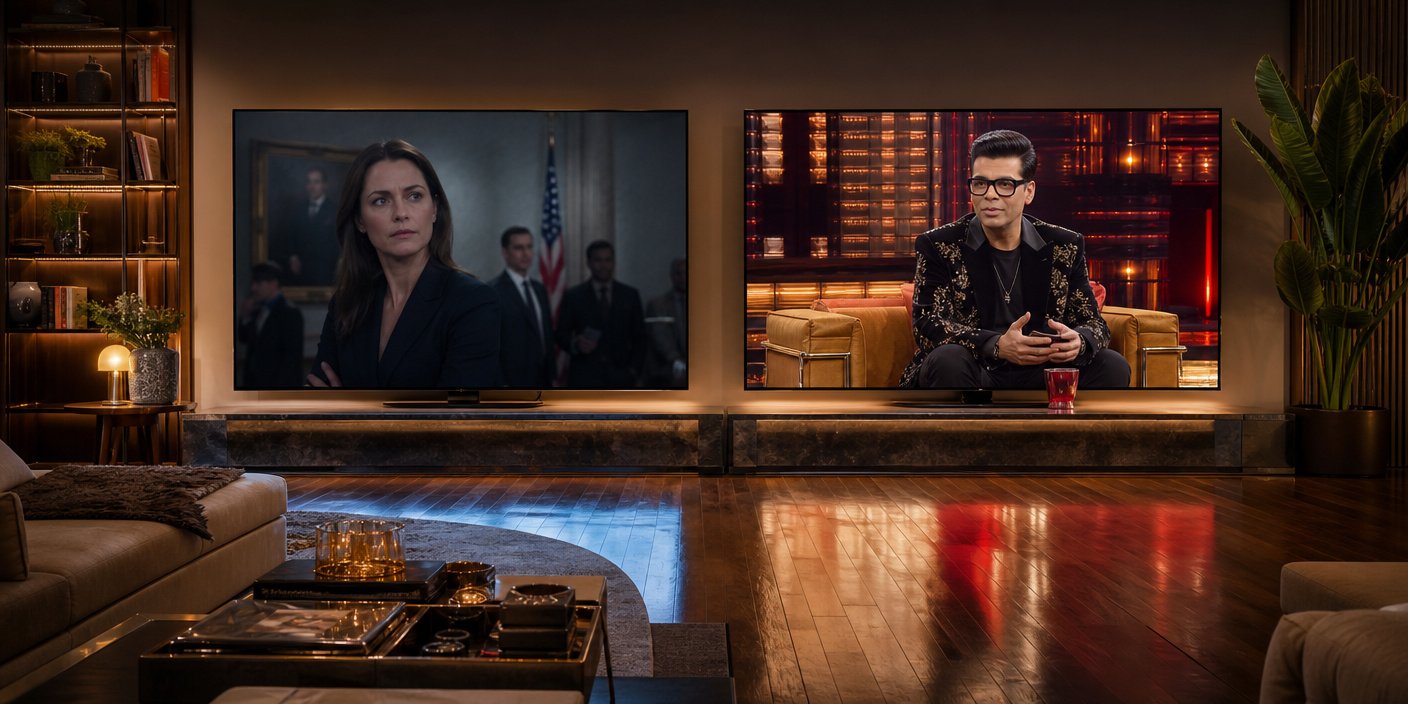
1. The Erosion of ‘Streaming vs. Broadcast’: By aligning these premieres, networks and streamers are acknowledging that the audience is fluid. The days of strict competition between linear TV and streaming apps are largely over; this night is designed for the ‘multi-screen’ household, where one device plays the broadcast procedural while another streams the prestige drama.
2. Franchise Fatigue vs. Reliability: The presence of both 9-1-1 and its new spin-off alongside Grey’s Anatomy underscores the industry’s reliance on ‘safe’ bets. In a volatile economic climate for production studios, these franchises represent assets that guarantee ad revenue and subscriber retention, even if they lack the novelty of new concepts.
3. Production Bottlenecks and Release Timing: The sheer volume of high-quality content hitting on this specific date suggests that production schedules, which were heavily disrupted in previous years, have fully stabilized. We are seeing a ‘logjam’ of quality content, forcing viewers to make difficult prioritization choices.
FAQ: People Also Ask
Q: Where can I watch all the shows premiering on October 15, 2026?
A: 9-1-1 and Grey’s Anatomy air on ABC (and stream the following day on Hulu). The Diplomat is a Netflix exclusive. Crystal Lake is a streaming premiere on Peacock.
Q: Is 9-1-1: Nashville a direct continuation of the original series?
A: No, 9-1-1: Nashville is a spin-off. While it exists within the same universe, it features a distinct cast and setting, allowing for new storylines focused on the unique emergency services landscape of Tennessee.
Q: Why are so many shows premiering on the same Thursday?
A: Thursday has historically been the most valuable night for advertisers, particularly for dramas. By clustering these heavy hitters, networks and platforms maximize ‘synergy,’ hoping that viewers will stay for the entire block, creating a cumulative ratings and streaming success.
Q: Does Crystal Lake require knowledge of the original Friday the 13th movies?
A: As a prequel series, it is designed to be accessible to new viewers, though it contains deep-cut lore for long-time fans of the horror franchise.