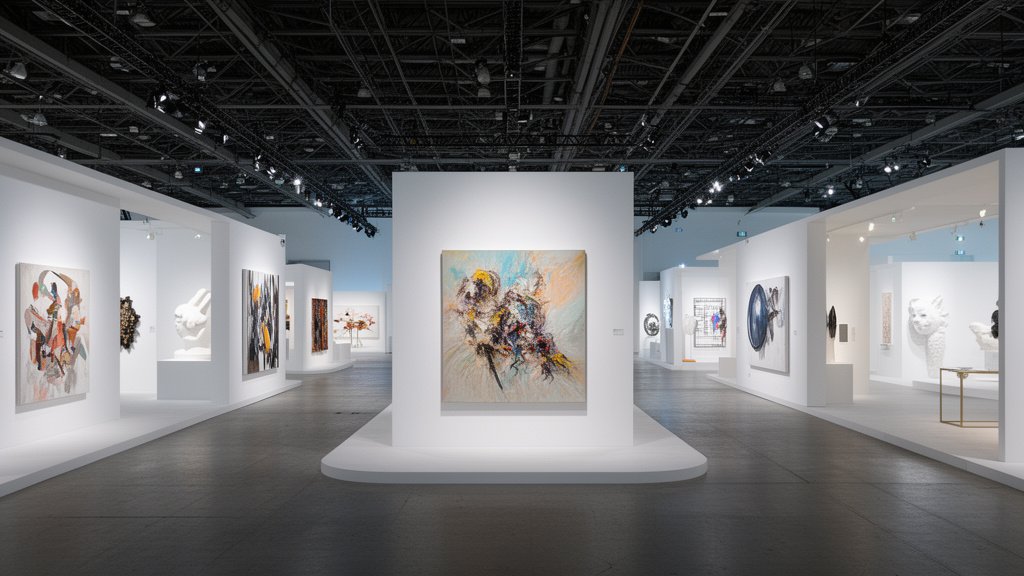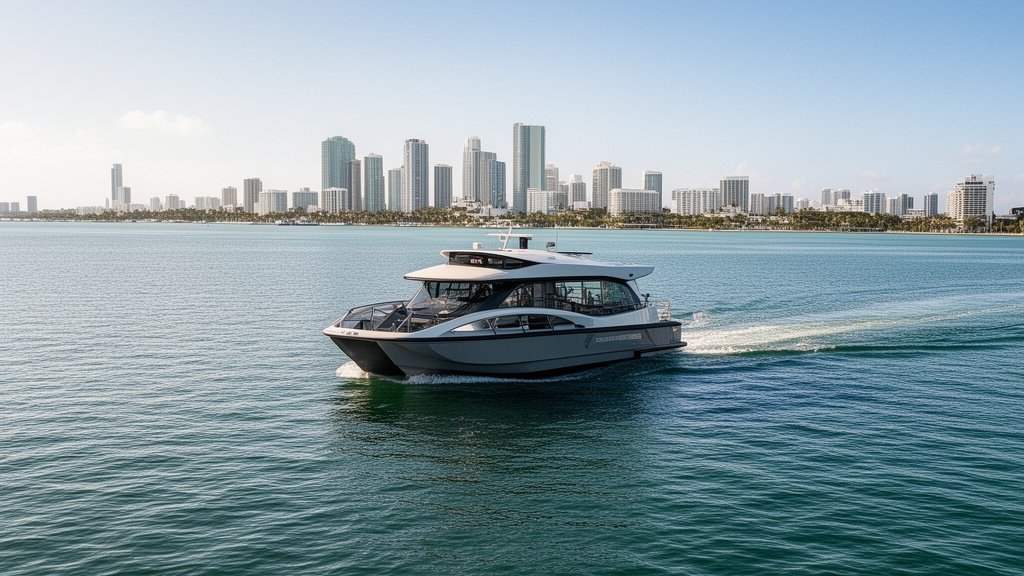
The City of Miami Beach has unveiled a comprehensive and aggressive transit strategy designed to mitigate the inevitable gridlock associated with Art Basel and Miami Art Week. Recognizing that the influx of international collectors, artists, and tourists creates a logistical paradox for a barrier island with limited arterial access, municipal officials are prioritizing marine and high-frequency ground transportation this year. At the core of this initiative is the deployment of eight water taxis, which will utilize the Biscayne Bay corridor to bypass the stifling vehicular traffic on the island’s primary thoroughfares.
Navigating the Art Week Bottleneck
Art Basel Miami Beach is not merely an art fair; it is a massive economic engine that brings hundreds of thousands of visitors to a constrained geographic footprint. For years, the narrow roadways of Miami Beach, particularly Collins Avenue and the causeways, have been the site of near-total traffic stagnation during the first week of December. This year, the administration is shifting focus from merely ‘managing’ traffic to providing genuine alternatives that allow attendees to circumvent the street-level logjam entirely.
By leveraging the city’s unique geography—surrounded by water—the introduction of the eight-vessel water taxi fleet represents a strategic pivot toward multi-modal transportation. This approach is intended to provide a reliable, predictable transit timeline for VIPs, gallery staff, and attendees who cannot afford to be delayed by the unpredictability of road conditions during peak event hours.
The Water Taxi Fleet: A Maritime Solution
The implementation of eight dedicated water taxis is the showpiece of the transit plan. These vessels serve as a ‘bridge’ between the mainland and the island, effectively decoupling the movement of people from the physical limitations of the causeways.
Unlike shuttle buses, which remain subject to the same traffic conditions as private vehicles, the water taxis operate independently of street congestion. They are positioned to transport passengers directly to hubs near major exhibition centers and hotel districts. By establishing these maritime routes, the city is effectively utilizing the Biscayne Bay as a high-capacity highway, a long-overdue application of Miami’s natural infrastructure to solve a man-made traffic problem.
Optimizing the Ground Game: Trolleys and Traffic
While the water taxis offer a reprieve from the causeway traffic, the city is simultaneously addressing the ground-level chaos. The expanded transit plan includes a significant surge in trolley and shuttle frequency. The free trolley system, a hallmark of Miami Beach transit, will be augmented to ensure that peak-hour wait times are kept to an absolute minimum. This is crucial for local residents who need to traverse the city during the influx, as well as for attendees navigating between satellite fairs.
Furthermore, the city has implemented a technical upgrade to its traffic signal management. By utilizing AI-assisted traffic signal optimization, the city’s traffic management center is adjusting the timing of stoplights in real-time based on high-density flow data. This granular approach helps prevent the ‘cascading’ effect of gridlock that often occurs when a single intersection on a main arterial road becomes blocked, forcing traffic into residential neighborhoods.
Urban Planning Under Pressure: The Economic Logic
The economic viability of Art Basel depends heavily on accessibility. If the experience of reaching the fair becomes too taxing, the city risks a decline in attendance quality. Therefore, this transit strategy is effectively an economic preservation initiative. By ensuring that stakeholders can move efficiently, the city protects its reputation as a premiere global art destination. The focus here is not just on volume—moving more people—but on the reliability of the movement.
Sustainable Mobility as a Luxury Requirement
There is an increasing intersection between luxury tourism and sustainable urban planning. Visitors to events like Art Basel are becoming more discerning about their carbon footprint and the efficiency of their travel. By promoting transit-oriented infrastructure, Miami Beach is aligning itself with international standards for global cities. The use of water taxis and optimized trolley services is as much about ‘brand Miami Beach’ as it is about traffic relief. It signals to the world that the city is capable of managing the pressures of mega-events through innovation rather than just physical expansion of roads, which is geographically impossible on the island.
Lessons from Past Years: Evolution of Transit
Looking back at previous years of Art Week, the primary failure points were always the ‘last mile’ of travel. Attendees might get a ride-share to the edge of the island, only to sit in a taxi for forty-five minutes to cover the final two miles. By introducing a transit system that integrates sea and land, the city is effectively shortening that ‘last mile.’ The lessons learned from the post-pandemic resurgence of travel—where demand spiked faster than supply—have informed this year’s multi-layered approach. The city is no longer relying on a single method of transport, but rather a grid of options that provides redundancy. If the trolley is full, the water taxi provides a fallback. If the water taxi is at capacity, the optimized signal timing facilitates faster ride-share movement. This redundancy is the hallmark of a resilient, well-planned city.
FAQ: People Also Ask
1. How do I access the water taxis during Art Basel?
The eight water taxis will operate from designated docks on the mainland and within Miami Beach. Passengers are encouraged to check the official City of Miami Beach transit portal for live scheduling, specific dock locations, and real-time availability updates throughout the duration of Art Week.
2. Is the water taxi service free or ticketed?
While the city-run trolley service remains free, the water taxi initiative often functions as a paid, premium service. Users should verify ticket costs and purchasing methods—which are typically available via mobile app—before planning their route, as demand is expected to be extremely high.
3. How will the traffic signal optimization affect daily local traffic?
The optimized traffic signal plan is designed to prioritize high-volume transit routes during peak hours of Art Basel. While the goal is to reduce overall gridlock, residents may notice adjusted patterns in traffic light intervals. The system is dynamic, meaning it will revert to standard patterns during off-peak hours and at night.
4. Where can I find the real-time schedule for the expanded trolleys?
The City of Miami Beach provides a live tracking app that shows the real-time location of all trolleys. It is highly recommended that attendees and residents download this application before the start of Art Week to monitor wait times and route changes due to road closures.