Navigating the complexities of Miami Property Taxes is a growing concern for residents as inflation drives up costs. County leaders are diligently assessing these financial trends, recognizing the significant impact on the county budget and the need for strategies to address the evolving economic landscape for homeowners and businesses alike. This local news is vital for understanding how rising expenses and property tax changes are shaping the future of Miami-Dade.
Inflation significantly impacts operating budgets, increasing costs for county operations and placing a considerable squeeze on household expenses. Miami-Dade’s operating budget has seen substantial growth, at times outpacing inflation, but the conclusion of federal COVID-19 aid presents a significant funding gap that officials must address.
Understanding Miami Property Taxes and Value Surges
The property tax system in Miami is intricate, particularly with recent real estate values experiencing a notable property value surge. While Florida law offers some protection through a cap on assessed value increases for primary homes, typically the lower of 3% or the inflation rate, properties without a homestead exemption can experience much larger increases. This disparity directly affects renters and non-homestead owners, adding another layer to the discussion around Miami property taxes.
Proposals for Taxpayer Relief Amidst Fiscal Challenges
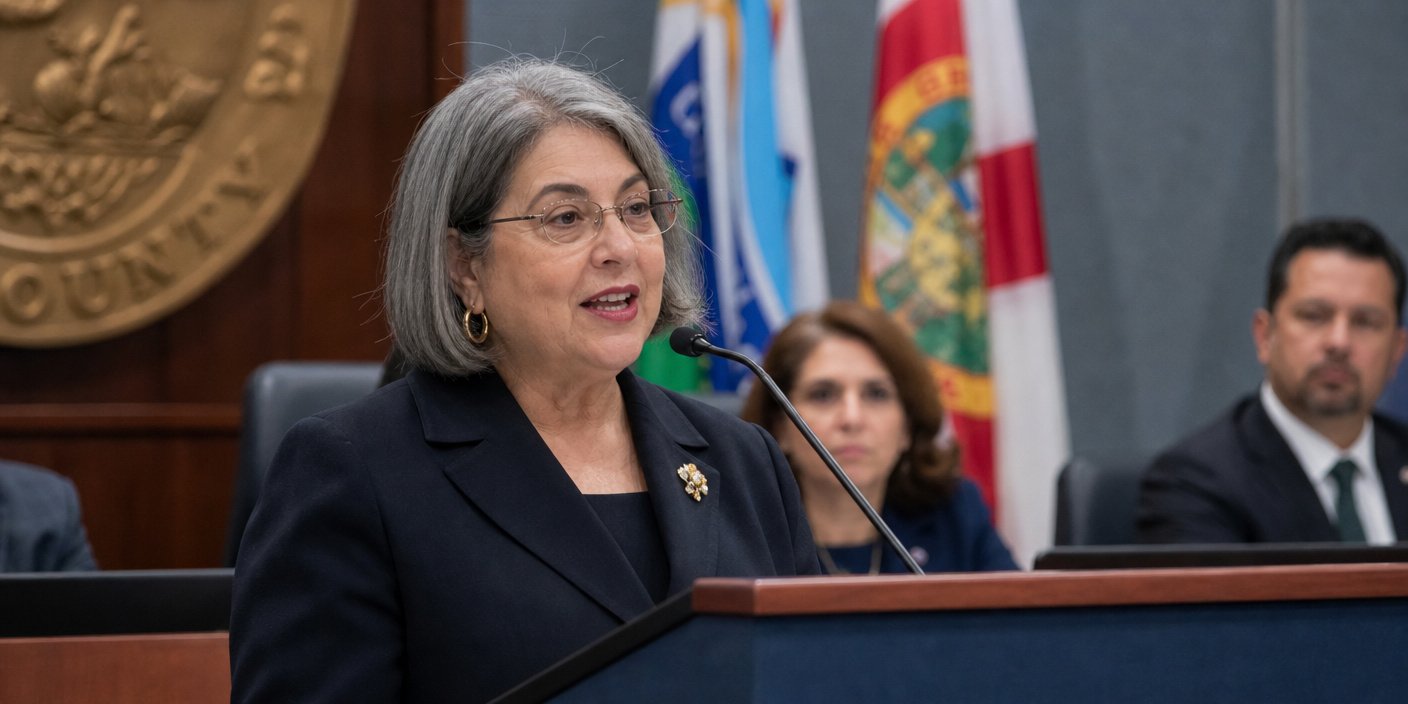
In response to these pressures, Mayor Daniella Levine Cava has proposed measures for taxpayer relief, advocating for reductions in the property tax rate. One suggestion included a 1% rate cut, an effort to ease the financial burden on residents. However, despite these intentions, the ongoing property value surge means that even with a rate cut, some property owners may still see higher tax bills. The county’s substantial annual budget, approaching $12.9 billion, necessitates careful consideration as officials work to avoid raising the countywide property tax rate.
The Debate on Property Tax Reform and its Impact on the County Budget
State leaders are actively discussing property tax reform, with some even proposing the complete elimination of these taxes. Such a drastic change could represent a loss of over $900 million for Miami-Dade alone, critically jeopardizing funding for essential services like public safety and libraries. County officials caution that this could severely impact service delivery. The county is currently facing a significant budget shortfall, estimated to be nearly $400 million, influenced by various factors including the conversion of departments to independent offices and reduced state and federal funding, further complicating the fiscal responsibility required.
Residents are feeling the cumulative effect of financial pressures, with rising Miami property taxes, escalating insurance premiums, and climbing mortgage payments. Discussions are underway regarding alternative appraisal methods that could better reflect market changes and even consider the impact of climate change, such as flood risks, on property values. The county is committed to fiscal responsibility, striving to balance the provision of vital services with the urgent need for taxpayer relief, especially concerning Miami property taxes.
Miami-Dade County is navigating a complex financial period, with inflation and tax policies being central issues. County leaders are actively seeking balanced solutions that support residents while maintaining essential services. The ongoing developments in Miami property taxes and budget management will undoubtedly shape the region’s economic future.