Miami Beach Unleashes Live Music: City Cuts Red Tape, Boosts Venue Capacity
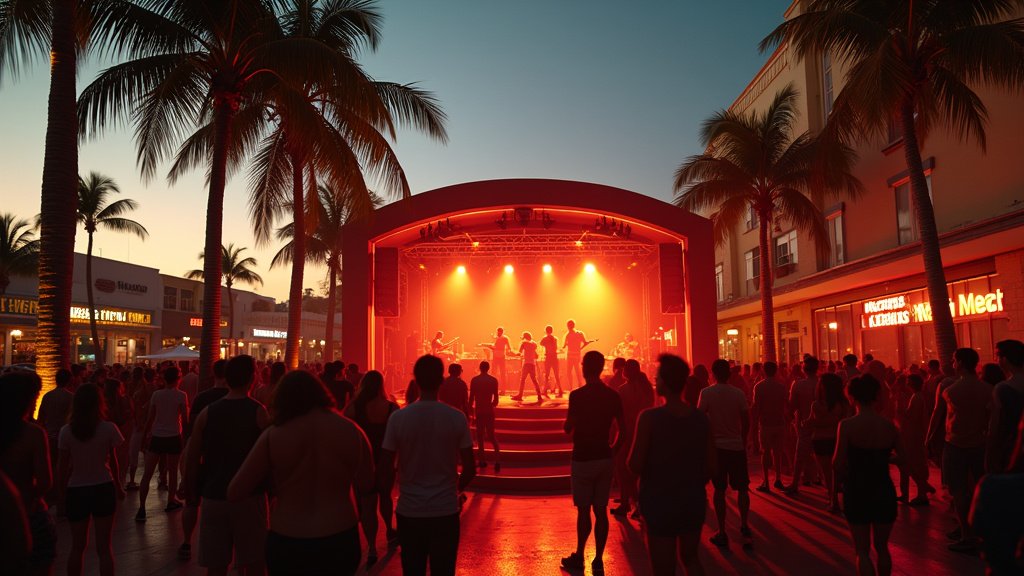
Miami Beach is easing regulations. This aims to bring back live music venues. The city commission unanimously approved a new ordinance. This news is significant for Miami. It targets key commercial areas. Vacant storefronts are a concern. The goal is to revive cultural offerings.
Background and the Need for Change
For years, Miami Beach has tried to balance tourism with resident quality of life. This balance became difficult. Regulations grew strict over time. This impacted live entertainment. Owners of restaurants and clubs faced hurdles. The permitting process became lengthy. It was also very expensive. This bureaucracy discouraged new venues. It also harmed existing ones. Commissioner Alex J. Fernandez championed the policy change. He noted the city’s own rules hurt its appeal. The city lost beloved places.
The Van Dyke Cafe Example
The Van Dyke Cafe was a prime example. This venue anchored Lincoln Road for years. It was famous for live jazz. It operated from 1994 to 2019. However, its closure signaled a shift. The area moved toward retail. It lost its cultural vibe. Commissioner Fernandez stated this directly. The old rules would not permit such a venue today. The city wanted to recapture that spirit. They want to bring back the culture of the past.
Key Provisions of the New Ordinance
The new ordinance brings major changes. It is a temporary measure. It is in effect through the end of 2026. The core change removes a major hurdle. Businesses no longer need a conditional use permit. This permit process was very bureaucratic. It often took months. This removal streamlines approvals. It makes opening easier.
Additionally, the ordinance raises an occupancy threshold. Restaurants offering indoor live entertainment can now host up to 750 people. Previously, this limit was only 200 people. This significant increase allows larger venues. They can launch more quickly. Existing businesses can also benefit. They can update their licenses. They can add live indoor entertainment. This requires a simple license update.
Targeted Commercial Corridors
The deregulation targets specific areas. These are key commercial corridors. They include Lincoln Road. Washington Avenue is another focus. Collins Avenue between 65th and 75th Streets is included. The policy also covers 71st Street and Normandy Drive. The 41st Street corridor is targeted too. These are vital areas for revitalization.
Goals and Expectations
Miami Beach aims to fill vacant spaces. It wants to reignite vibrant culture. Mayor Steven Meiner stated this goal. He emphasized a commitment to growth. “Miami Beach is open for business,” he said. The city is cutting red tape. High standards are still maintained. Responsible businesses can open faster. This brings energy to commercial areas. Lyle Stern, president of the Lincoln Road Business Improvement District, supports the move. He called it a proactive business tool. It eliminates overregulation. It makes the community competitive. The moment is right to bring music back.
Safeguards and Limitations
The new policy includes safeguards. It is not a free-for-all. Outdoor entertainment is strictly prohibited. Open-air rooftop venues are not allowed. Adult entertainment is also banned. These restrictions ensure responsible development. Businesses violating city codes face consequences. They risk losing their operating rights.
Broader Context of Miami’s Music Scene
This Miami Beach news is part of a trend. The broader Miami area is seeing growth. New venues are opening across Miami. Midline and Throw Social are in Wynwood. The JAM Arena is at Casino Miami. Bar Black made a comeback. Listening rooms are appearing citywide. Miami Beach’s move adds to this momentum. It strengthens the region’s cultural offerings.
Historical Perspective
Historically, Miami Beach had a vibrant music scene. The mid-20th century was a peak time. The city was a magnet for entertainment. The North Beach Bandshell opened in 1961. It reflects a post-war boom in arts and entertainment. However, over decades, regulations tightened. This pushed live music out. This new ordinance aims to reverse that trend. It seeks to recapture past glory.
Conclusion
Miami Beach is actively working to revitalize its commercial districts. The new ordinance is a key step. It removes bureaucratic barriers. It raises capacity limits for venues. The goal is clear: bring back live music. This move is expected to fill empty storefronts. It will also boost the city’s cultural vibrancy. The city hopes to recapture its reputation. It aims to be a destination for live entertainment once more.