As Miami-Dade County continues to grapple with explosive population growth and soaring housing demand, the debate surrounding the Urban Development Boundary (UDB) has reached a critical juncture. Proponents of environmental conservation and sustainable infrastructure argue that maintaining the integrity of this boundary is not merely an act of preservation, but a fundamental necessity for responsible urban planning. By limiting sprawl, the county can better manage its resources, protect vital wetlands, and mitigate the risks posed by climate change.
- The Urban Development Boundary serves as a key tool to prevent unchecked suburban sprawl into environmentally sensitive areas.
- Expanding the boundary threatens the Everglades restoration efforts and increases vulnerability to flooding and storm surges.
- Advocates emphasize that infill development and densification within current limits are more sustainable paths to meeting housing needs.
- Local policies regarding the UDB face intense pressure from development interests seeking land for new residential projects.
The Deep Dive
The Role of the UDB in Sustainability
At its core, the Urban Development Boundary is designed to delineate the permissible edge of urban expansion. For decades, it has acted as a buffer between the densely populated metropolitan landscape and the natural ecosystems that lie beyond, specifically the Florida Everglades. When developers push to move this line, they are often eyeing agricultural land or critical drainage areas that are essential to the region’s overall environmental health. Protecting the UDB is inextricably linked to maintaining the aquifer that provides drinking water to millions of residents. Once these lands are paved over, the ecological services they provide—including natural flood mitigation—are permanently compromised.
Challenges to Responsible Growth
Critics of strict UDB enforcement often point to the dire need for affordable housing, arguing that limiting land supply exacerbates the affordability crisis. However, urban planners increasingly suggest that the solution lies not in expanding outward, but in building upward and smarter. By incentivizing transit-oriented development and improving infrastructure within existing urban centers, Miami-Dade can accommodate new residents without sacrificing the green spaces that define the region’s quality of life. The challenge is navigating the political landscape where short-term economic gains from new developments often clash with the long-term, systemic benefits of environmental stewardship and resilient urban planning.
Balancing Economy and Environment
Ultimately, the future of Miami-Dade hinges on a ‘growth with responsibility’ model. This requires a shift in perspective, viewing the UDB not as an obstacle to development, but as a framework that encourages higher-quality urban design. As climate change continues to elevate risks, the preservation of the boundary remains a frontline defense. The decisions made today regarding land use will dictate whether the region remains a viable, thriving metropolis or whether it falls victim to the inefficiencies and environmental costs of unbridled sprawl.
FAQ: People Also Ask
What is the primary purpose of the Urban Development Boundary in Miami-Dade?
The UDB is a policy tool intended to contain urban growth, prevent sprawl into environmentally sensitive areas and agricultural land, and ensure that infrastructure development remains efficient and sustainable.
Why are developers pushing to expand the boundary?
Developers often seek to expand the boundary to acquire cheaper land for large-scale residential projects to meet the high demand for housing in the growing Miami metropolitan area.
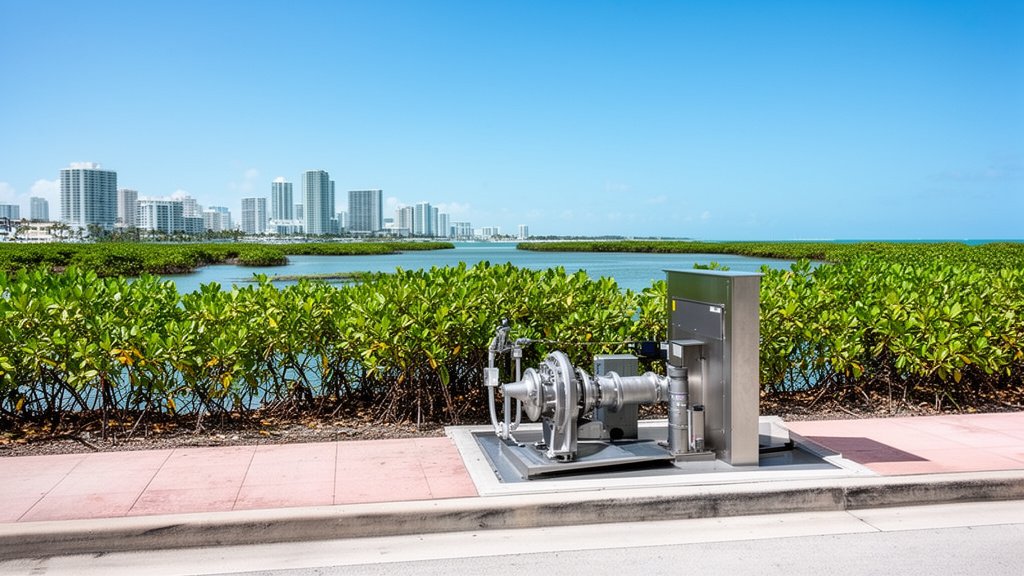
How does the UDB impact flood management?
By restricting development in natural wetlands and lower-lying areas, the UDB helps preserve natural drainage systems, which are crucial for absorbing rainfall and reducing the risk of catastrophic flooding during storm events.