A federal grand jury has indicted five individuals in connection with a sophisticated cocaine trafficking operation based in Miami. The arrests, stemming from a lengthy investigation, highlight ongoing efforts by law enforcement to dismantle drug networks operating in South Florida.
- Five individuals indicted by a federal grand jury in Miami.
- Charges relate to alleged cocaine trafficking.
- The indictment is the result of an extensive investigation.
- Law enforcement continues efforts to combat drug trafficking in the region.
Miami’s Cocaine Corridor: Unraveling a Federal Indictment
The recent federal grand jury indictment of five individuals in Miami for cocaine trafficking marks another significant development in the persistent battle against drug smuggling in South Florida. This operation, reportedly uncovered through meticulous investigative work, underscores the strategic importance of Miami as a key transit point for illicit narcotics destined for U.S. markets. The indictment alleges a coordinated effort to import, possess, and distribute significant quantities of cocaine, pointing to a network that law enforcement agencies have been working to dismantle.
The Scope of the Operation
While specific details of the indictment remain under seal pending further legal proceedings, sources close to the investigation suggest that the operation involved large-scale importation and distribution. The focus on cocaine trafficking in Miami is not new; the city has historically been a critical hub due to its geographical location, extensive port facilities, and existing transportation networks. Federal agencies, including the Drug Enforcement Administration (DEA) and U.S. Customs and Border Protection (CBP), have long maintained a strong presence in the region to intercept drug shipments and disrupt trafficking organizations.
Investigative Techniques
The success of such investigations often relies on a combination of sophisticated surveillance, intelligence gathering, and inter-agency cooperation. This indictment is likely the culmination of months, if not years, of work involving wiretaps, informant testimony, financial investigations, and physical surveillance. The ability of federal prosecutors to secure a grand jury indictment signifies that they have presented sufficient evidence to believe that a crime has been committed and that the indicted individuals are responsible. This legal step allows for formal charges to be filed and for the case to proceed towards trial.
Economic and Social Impact
Cocaine trafficking has profound economic and social consequences. It fuels organized crime, contributes to violence, and devastates communities. The proceeds from such operations are often laundered through legitimate businesses, further complicating efforts to track and seize illicit assets. The disruption of a trafficking network, even one involving five individuals, can have a ripple effect, potentially impacting supply chains and the availability of drugs in various markets. However, it also creates opportunities for rival organizations to attempt to fill the void, highlighting the cyclical nature of drug trafficking.
Legal Ramifications
For the individuals indicted, the charges carry severe penalties, including lengthy prison sentences and substantial fines. Federal drug trafficking charges are prosecuted vigorously, and convictions often result in mandatory minimum sentences based on the type and quantity of drugs involved. The legal process will now move through arraignments, potential plea negotiations, or a trial. The U.S. Attorney’s Office for the Southern District of Florida, which typically handles such cases, is known for its aggressive prosecution of drug-related offenses.
FAQ: People Also Ask
What is a federal grand jury indictment?
A federal grand jury indictment is a formal accusation by a grand jury, a group of citizens convened to hear evidence presented by a prosecutor. If the grand jury finds probable cause to believe that a crime has been committed and that the accused committed it, they issue an indictment, which formally charges the individual(s) with a crime, allowing the case to proceed to trial.
Why is Miami a hub for drug trafficking?
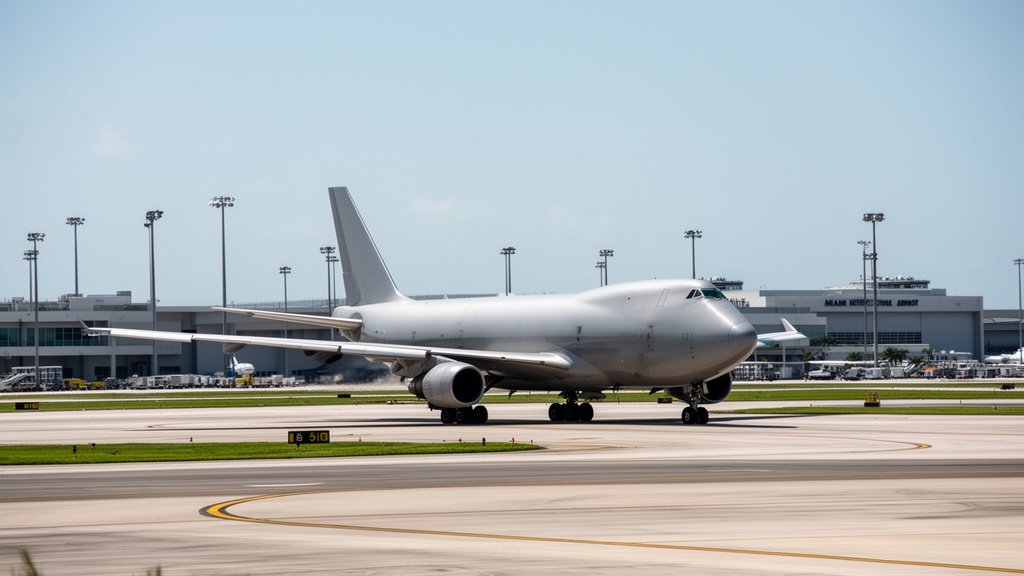
Miami’s strategic location, with its proximity to South and Central America, extensive coastline, major international airport, and well-developed transportation infrastructure, makes it a prime location for drug trafficking. It serves as a key entry point for cocaine and other illicit substances into the United States.
What are the penalties for federal cocaine trafficking charges?
Penalties for federal cocaine trafficking charges vary widely depending on the quantity of drugs, prior criminal history of the defendant, and specific circumstances of the offense. However, they typically involve significant prison sentences, often with mandatory minimums, and substantial financial penalties, including fines and asset forfeiture.
What is the role of the DEA in Miami?
The Drug Enforcement Administration (DEA) plays a crucial role in Miami by investigating and dismantling major drug trafficking organizations, disrupting the flow of illegal drugs, and working with federal, state, and local law enforcement agencies to combat drug-related crime in the region.