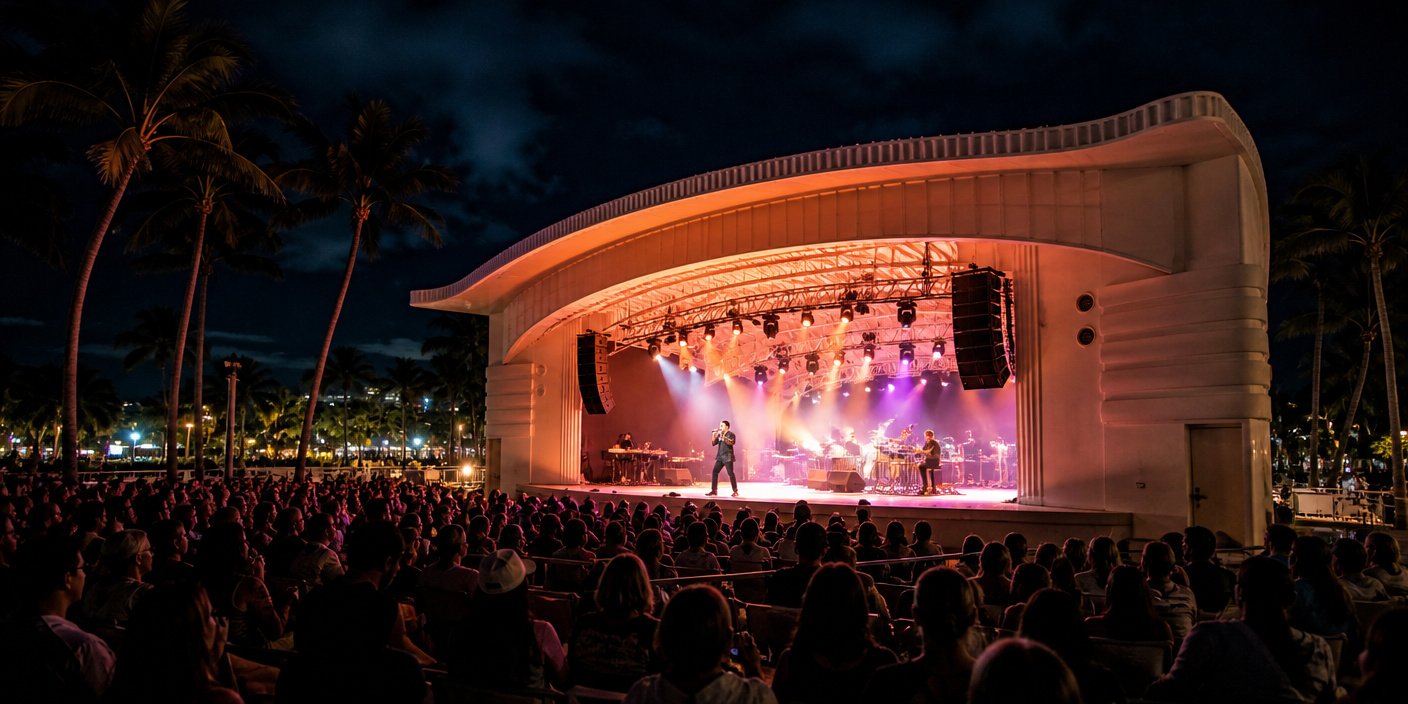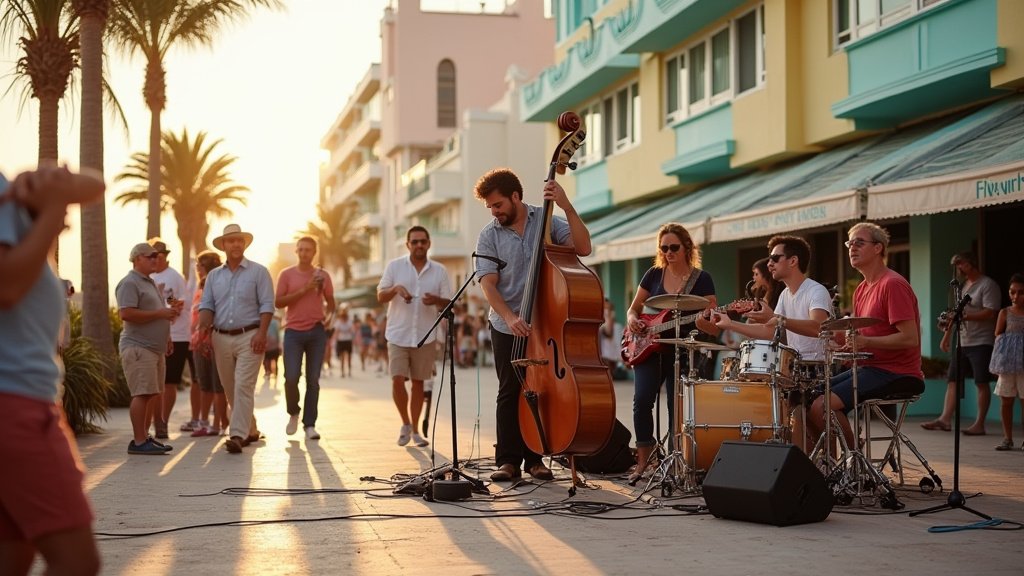
The City of Miami Beach’s commitment to reclaiming its most iconic thoroughfare for public enjoyment reached a new mid-summer milestone with the latest installment of the Ocean Drive Promenade Music Series. Held on Sunday, August 2, the event underscored a strategic pivot in the city’s approach to cultural tourism—moving away from pure nightlife-driven commerce toward a balanced, community-centric model that highlights the architectural and historical significance of the Art Deco District. As the summer heat peaks, these open-air performances serve as more than mere entertainment; they act as a vital heartbeat for the revitalization of the Ocean Drive promenade, proving that high-caliber, live music is the most effective tool for community placemaking.
The Symphony of the Streets: Curating the Experience
The Ocean Drive Promenade Music Series is not merely a collection of concerts; it is a meticulously curated auditory experience designed to complement the unique acoustic environment of the Miami Beach coastline. By leveraging the natural buffer of the Atlantic Ocean and the architectural amphitheater provided by the historic facades along Ocean Drive, the organizers have managed to turn a public thoroughfare into an intimate concert hall.
On the August 2 date, the performance schedule was carefully crafted to capture the late-afternoon energy of the city. The selection of repertoire—often spanning jazz standards, classical crossovers, and local fusion—is intentional. By avoiding the jarring intensity of amplified nightclub music that historically defined the area, the Promenade series fosters a more sophisticated, walkable, and family-friendly atmosphere. This shift is critical for the long-term sustainability of the district. It invites residents and tourists alike to engage with the street level in a meaningful way, transforming the sidewalk from a transitional space into a destination.
Economic Impact: Beyond the Ticket
The ripple effects of the Ocean Drive Promenade Music Series extend far beyond the musicians on stage. Economic data surrounding this initiative reveals a strong correlation between scheduled cultural programming and increased foot traffic at local retail and dining establishments. For the local businesses along Ocean Drive, particularly those situated between 5th and 15th Streets, the Sunday afternoon performances act as a ‘hook’ for domestic and regional tourism.
When visitors are drawn to the promenade by live, high-quality entertainment, the length of stay per visit increases significantly. This ‘dwell time’ is the primary metric that economists and city planners use to gauge the success of urban revitalization projects. By anchoring weekends with consistent, free-to-attend events, the City of Miami Beach effectively lowers the barrier to entry for the arts, democratizing the cultural experience while simultaneously driving revenue into the local economy. It is a textbook example of using culture as a fiscal stabilizer in a notoriously volatile hospitality market.
Historical Context: Reimagining the Art Deco District
To understand the magnitude of this initiative, one must look at the history of the district. For decades, Ocean Drive was synonymous with a specific, often chaotic, nightlife culture that prioritized volume and rapid turnover. The current push—supported by the Ocean Drive Association and the City of Miami Beach—represents a reclamation project. The goal is to return the area to its roots as a sophisticated promenade, echoing the grandeur of the 1930s and 40s when the architecture was the primary draw.
Incorporating music into this space is a way of layering history with the present. The sound of a saxophone or a string quartet playing against the backdrop of the iconic pastel structures of the Art Deco District creates a sensory contrast that is uniquely Miami. It signals to visitors that this is a place of culture, not just a place for late-night revelry. This strategy is vital for maintaining property values and business longevity in the historic district. By shifting the demographic focus to daytime and early evening crowds, the city is successfully preserving the aesthetic integrity of the area while ensuring it remains economically viable.
The Future of the Promenade: Urban Planning and Programming
Looking ahead, the success of the August 2 event raises questions about the future of pedestrian-friendly infrastructure in Miami. The music series is a precursor to larger conversations regarding the permanent pedestrianization of parts of Ocean Drive. If the public continues to respond with high engagement numbers, the case for limiting vehicular traffic in favor of permanent performance spaces becomes difficult to ignore.
Furthermore, the technical execution of these events offers a roadmap for other cities looking to optimize public spaces. The coordination between the City of Miami Beach and sound engineers to ensure high-fidelity audio in a challenging outdoor environment—with wind off the ocean and urban noise—is a technical feat that is often overlooked by casual observers. As the program matures, we can expect to see an integration of digital overlays, such as geofenced historical tours triggered by the music, or real-time streaming components that broaden the audience for these local artists.
In conclusion, the Ocean Drive Promenade Music Series is a testament to the power of consistent, high-quality civic programming. By anchoring the August weekends with art rather than just commerce, Miami Beach is successfully retooling its most famous street for a new generation. The series has become a fixture of the local ecosystem, providing not just music, but a sense of place that defines the modern Miami experience.