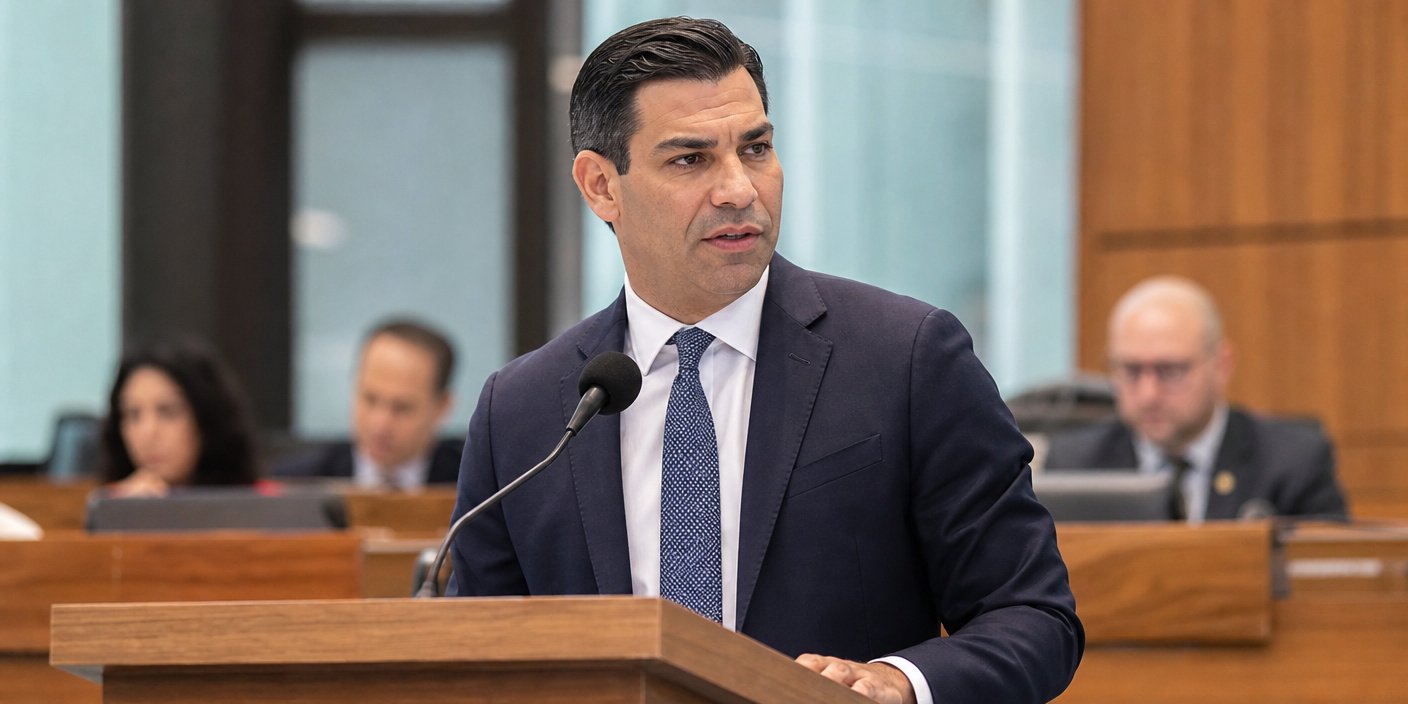
The Miami City Commission has officially approved a series of aggressive measures designed to expedite the arrest process for homeless individuals found violating public camping ordinances. This legislative maneuver marks a significant escalation in the city’s approach to homelessness, shifting from previous citation-heavy frameworks toward a strategy of immediate enforcement. By streamlining the procedural steps required for police officers to take action, the city aims to clear encampments with unprecedented speed, positioning the issue as a top priority for public order and downtown revitalization.
Key Highlights
- Expedited Enforcement: The Commission has authorized new protocols that minimize the time between initial police contact and potential arrest for public camping violations.
- Direct Police Mandate: The Miami Police Department is now empowered to bypass prolonged assessment periods in areas designated as critical infrastructure or public health zones.
- Legal Contention: The move immediately faces scrutiny from civil rights organizations, who argue the policy creates a fast track to criminalization without addressing root causes.
- Shift in Focus: The policy represents a clear pivot from social-service-led engagement toward a law-enforcement-centered strategy for managing urban visibility.
The Legislative Pivot: Reshaping Miami’s Public Spaces
The recent vote by the Miami City Commission represents a fundamental realignment of how the municipality handles its unhoused population. For years, the city has grappled with the complex interplay between property rights, public safety, and the humanitarian crisis of homelessness. By voting to expedite the arrest process, commissioners are explicitly prioritizing the restoration of public thoroughfares, arguing that encampments pose a significant deterrent to economic growth and tourism in the downtown core.
Analyzing the Enforcement Mechanism
At the core of the new directive is the reduction of procedural hurdles. Previously, officers were encouraged—or in some cases required—to offer multiple warnings and coordinate with social outreach teams before transitioning to enforcement actions. Under the new resolution, the discretion afforded to officers is tightened. If an individual is found violating the public camping ordinance, the path to arrest is shortened, removing layers of bureaucratic delay that critics argue allowed encampments to solidify over time.
The objective, according to proponents of the measure, is to stop the formation of long-term settlements before they become entrenched. Mayor Francis Suarez and other key supporters have long argued that a compassionate approach must include the protection of public spaces, maintaining that the current trajectory of encampment growth is unsustainable for local businesses and the overall urban environment.
The Shadow of ‘Martin v. Boise’
This policy pivot does not occur in a legal vacuum. The shadow of the landmark Martin v. Boise ruling continues to influence how cities like Miami navigate their authority. Martin v. Boise established that cities cannot criminalize homelessness if they do not have adequate shelter capacity available. Miami’s legal teams are currently working to ensure this new, expedited arrest process aligns with these constitutional boundaries, asserting that by providing specific, albeit temporary, shelter options, the city is satisfying the legal threshold required to enforce bans on public camping.
Critics, including the American Civil Liberties Union (ACLU) of Florida, argue that this interpretation is flawed. They contend that the temporary nature of many shelters and the often-deplorable conditions within them make the ‘alternative’ ineffective. The legal battleground is expected to shift rapidly as attorneys prepare to challenge the constitutionality of the expedited arrests, potentially setting the stage for a high-profile showdown in the courts that could have national implications for other major metropolitan areas facing similar crises.
Economic and Social Repercussions
The economic argument for this shift is predicated on the idea that public safety is the bedrock of downtown viability. Miami’s economy is heavily reliant on a thriving tourism sector and a growing residential luxury market. Proponents argue that the visibility of encampments creates a ‘broken window’ effect, where public disorder deters investment and reduces foot traffic for local businesses. Conversely, opponents argue that criminalizing homelessness does not actually solve the problem; it merely displaces it, pushing vulnerable populations into different, potentially less visible, and often more dangerous areas of the city.
The Human Toll and Future Predictions
Looking forward, the long-term efficacy of this policy remains in question. While the immediate goal is to ‘clean up’ the city, critics fear the unintended consequences of inflating jail populations with individuals whose primary ‘crime’ is poverty. As the Miami Police Department begins implementing these new guidelines, the city will likely see an initial decrease in visible street encampments. However, many urban policy analysts predict that without a robust, concurrent investment in long-term mental health services and permanent supportive housing, the issue will simply migrate rather than dissipate, necessitating further legislative ‘expeditions’ in the future.
FAQ: People Also Ask
1. Does this new policy violate federal constitutional protections for the homeless?
The city contends it does not, provided they can prove shelter availability for those they are arresting. However, legal experts expect the policy to face immediate challenges based on Eighth Amendment protections against cruel and unusual punishment, mirroring disputes in other cities.
2. Where are the homeless individuals being taken after an arrest?
Individuals arrested under these new measures are typically processed through the standard intake system at the county jail. However, the city is simultaneously pressuring non-profits and state agencies to ensure there is, at minimum, a designated, temporary location for those processed out of the system.
3. How quickly will this policy take effect in Miami?
The implementation is scheduled to begin immediately following the Commission’s vote. Residents can expect to see an increased police presence in downtown areas and known encampment hubs as the new enforcement guidelines are operationalized.