Key Takeaways
- Legislative Check: A group of Democratic senators, led by Chris Murphy, filed a War Powers Resolution to limit executive authority over Cuba.
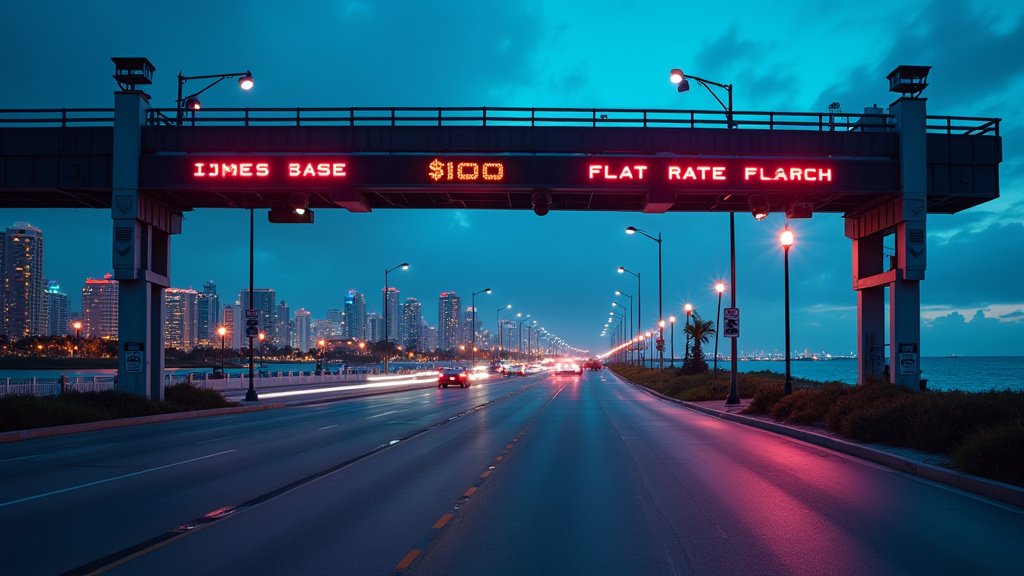
- Blockade Concerns: The resolution specifically targets the President’s threats to implement a naval blockade, which senators argue is an act of war.
- Constitutional Authority: The move seeks to reaffirm Article I powers, asserting that only Congress has the right to declare war or authorize long-term military interdictions.
- Geopolitical Stakes: The resolution comes amidst heightening tensions as the Trump administration seeks to sever ties between Cuba and adversarial powers like Russia and China.
Summary Lead
In a direct challenge to the White House’s foreign policy trajectory, a coalition of Democratic senators filed a War Powers Resolution this week aimed at curbing President Donald Trump’s ability to unilaterally initiate a naval blockade or military action against Cuba. The resolution, introduced on the Senate floor, marks a significant escalation in the ongoing struggle between the executive and legislative branches over the use of military force. Sponsors of the bill argue that any move to surround or intercept maritime traffic to the island nation constitutes an act of war that necessitates explicit Congressional authorization under the War Powers Act of 1973.
The Deep Dive
The Constitutional Clash Over Blockades
The fundamental core of this legislative push is the interpretation of the War Powers Resolution of 1973. Democratic senators maintain that a naval blockade—an action President Trump has suggested as a means to curb migration and eliminate foreign influence on the island—is not a mere law enforcement action but a kinetic military operation. Under international law, a blockade is traditionally defined as an act of war because it uses military force to prevent all vessels from entering or leaving a specified maritime area.
Senator Chris Murphy (D-CT), a leading voice on the Foreign Relations Committee, emphasized that the Constitution grants the power to declare war exclusively to Congress. “The President does not have a blank check to start a naval war in the Caribbean,” Murphy stated during the filing. The resolution aims to ensure that no funds are appropriated for a blockade unless a formal declaration of war is passed or a specific statutory authorization is granted.
Trump’s ‘Maximum Pressure’ 2.0
The impetus for the resolution stems from the Trump administration’s renewed ‘maximum pressure’ campaign against the Cuban government. Since returning to office, President Trump has signaled a return to hardline policies, including the potential for a ‘maritime interdiction’ strategy. The administration argues that such measures are necessary to stop the flow of illicit drugs, prevent mass migration events, and dismantle Russian and Chinese intelligence outposts on the island.
Critics, however, suggest that a blockade would lead to a humanitarian catastrophe, further destabilizing the region and potentially leading to a direct military confrontation with the Cuban Revolutionary Armed Forces or their international allies. The proposed resolution seeks to force a public debate and a recorded vote before any such escalation can occur, effectively putting the administration on notice that the Senate will not remain a passive observer.
Legislative Hurdles and Bipartisan Dynamics
While the resolution was introduced by Democrats, its success hinges on whether it can attract enough Republican support to clear the 51-vote threshold required for privileged resolutions under the War Powers Act. In previous years, several GOP senators, including Rand Paul (R-KY), have expressed skepticism regarding broad executive war powers, suggesting a slim possibility for a bipartisan coalition.
However, many Republicans remain steadfast in their support for the President’s ‘America First’ approach to Cuba, viewing the resolution as an attempt to undermine national security and protect a communist regime. The debate is expected to be fierce, centering on the balance between national security exigencies and the procedural requirements of the U.S. Constitution.
Impact on Regional Stability
Beyond the halls of Congress, the filing of this resolution sends a strong signal to the international community. Latin American leaders have expressed concern that a U.S.-led blockade would violate international maritime law and trigger a refugee crisis. By attempting to ‘check’ the President, the Senate Democrats are also attempting to reassure regional allies that the United States remains a nation governed by the rule of law rather than unilateral executive decrees.
As the administration continues to weigh its options regarding Havana, this War Powers Resolution serves as the first major legislative firewall of the current term. Whether it passes or serves as a symbolic protest, it highlights the deepening fracture in Washington over the limits of presidential power in the 21st century.
FAQ: People Also Ask
What is a War Powers Resolution?
A War Powers Resolution is a legislative tool based on the War Powers Act of 1973 that allows Congress to limit the President’s ability to commit U.S. forces to hostilities or into situations where hostilities are imminent without a declaration of war or specific authorization.
Can the President ignore a War Powers Resolution?
If both chambers of Congress pass a resolution and the President signs it (or Congress overrides a veto), it becomes law. However, various administrations have historically challenged the constitutionality of the War Powers Act, leading to frequent legal and political disputes.
Why is a blockade considered an act of war?
Under the San Remo Manual and international customary law, a naval blockade is a belligerent operation that uses armed force to block access to a coast. Because it involves the threat or use of force against sovereign entities, it is legally categorized as an act of aggression or war.