The Frost School of Music at the University of Miami is set to host its highly anticipated final Chamber Music Showcase of the year, an event that serves as both a graduation of sorts for student ensembles and a public demonstration of the conservatory’s rigorous artistic standards. Held at the state-of-the-art Knight Center for Music Innovation, this final showcase represents more than just a concert; it is the culmination of a year-long curriculum that emphasizes technical precision, emotional depth, and the collaborative spirit essential to the chamber music tradition.
Key Highlights
- The Final Showcase IV: This event represents the closing ceremony of the chamber music season, featuring a diverse repertoire that spans centuries of musical history.
- Pedagogical Excellence: Directed by esteemed musicians Jennifer Grim and Svet Stoyanov, the program fosters a unique environment where students bridge the gap between historical mastery and contemporary innovation.
- State-of-the-Art Venue: The concert takes place at the Knight Center for Music Innovation’s Newman Recital Hall, a venue designed specifically to enhance acoustic clarity and the intimacy of chamber performances.
- Curriculum-Driven Artistry: The showcase highlights the school’s unique “Classical Plus” philosophy, encouraging students to integrate traditional techniques with modern, multi-genre approaches.
The Evolution of the Chamber Music Paradigm
The Chamber Music Showcase IV at the Frost School of Music is not merely a scheduled recital; it is a profound reflection of how modern music education has shifted to meet the demands of a changing industry. For decades, the traditional conservatory model focused heavily on solo virtuosity—the idea of the lone performer conquering a concerto. However, the Frost School, under the leadership of its distinguished faculty, has pivoted toward a more collaborative and multifaceted approach. This shift acknowledges that in the modern music economy, a musician’s ability to function within an ensemble, communicate non-verbally with peers, and adapt to varying stylistic demands is just as critical as their individual technical proficiency.
The Philosophy of ‘Classical Plus’
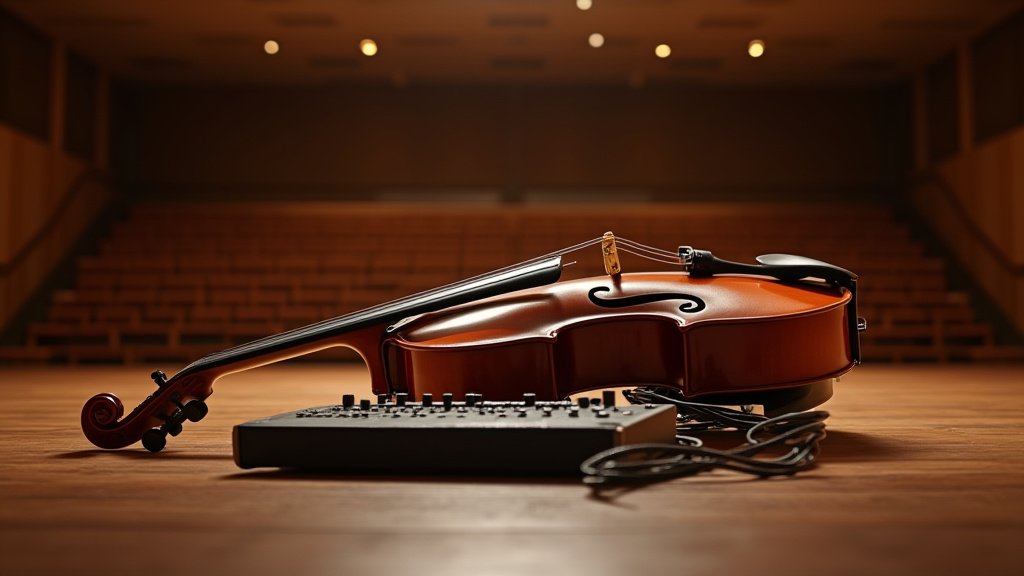
At the heart of the Frost School’s curriculum is the concept of “Classical Plus.” This isn’t just a marketing slogan; it is a pedagogical framework that ensures students are not trapped in a vacuum of historical music. By incorporating influences from jazz, contemporary improvisation, and even electronic music, the program prepares graduates for a world where the boundary between genres is increasingly porous. During this final showcase, audiences can expect to hear everything from traditional string quartets to mixed instrumental ensembles that defy easy categorization. This intentional blending of styles is designed to make students more versatile, helping them secure positions in everything from major symphony orchestras to independent chamber ensembles and film scoring studios.
Architecture of Sound: The Knight Center
The venue itself, the Knight Center for Music Innovation, plays a silent but starring role in this performance. Chamber music is, by definition, intended for intimate settings. Unlike the massive acoustic footprint of an orchestra, chamber music relies on the subtle interplay of sound—the intake of breath, the slide of a finger on a string, the release of a bow. The Newman Recital Hall is engineered to capture these nuances, providing an environment that forces performers to refine their craft. For students, performing in such a space is a rite of passage. It demands a level of honesty in their playing that larger concert halls can occasionally mask. The transition from the practice room to the stage in this venue is a pivotal moment in their development, teaching them how to project sound while maintaining the integrity of the ensemble’s collective voice.
The Role of Mentorship
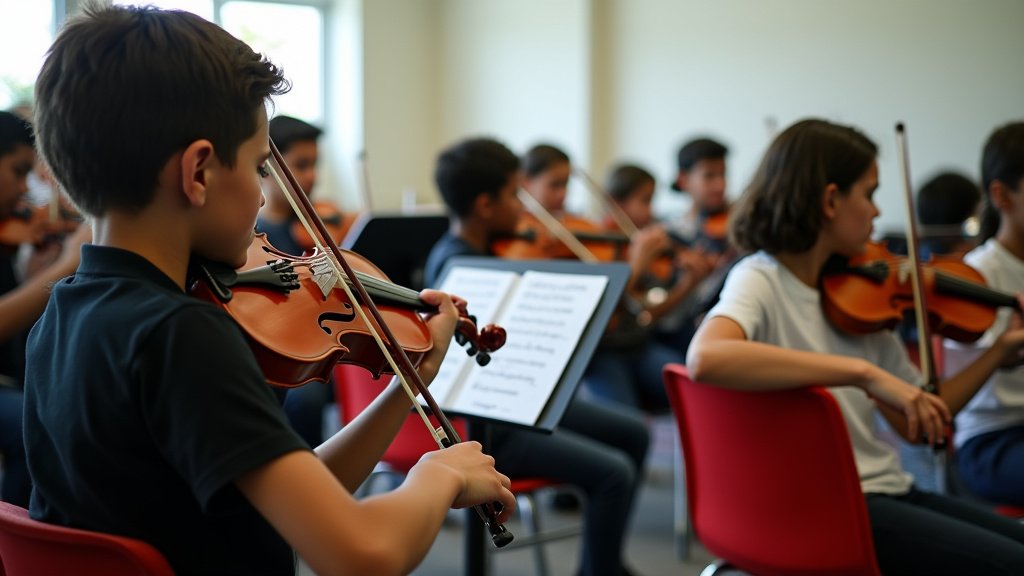
The program is helmed by Jennifer Grim and Svet Stoyanov, two artists whose own professional careers serve as the blueprint for the students they mentor. Mentorship at this level is intense and multifaceted. It isn’t just about learning the notes on a page; it is about learning how to be a professional musician. This involves navigating the dynamics of an ensemble, managing rehearsals, and understanding the logistics of performance. The showcase serves as the final exam, where the results of these mentorship sessions are put on display for the community. The directors emphasize that chamber music is a dialogue, not a monologue, and the students who take the stage at the final showcase are expected to demonstrate this high-level communication.
Economic and Cultural Impact on the South Florida Arts Scene
The ripple effects of the Frost School’s chamber music program extend well beyond the campus of the University of Miami. By hosting free, high-quality public showcases, the school acts as a cultural anchor for the South Florida region. These events invite the community to engage with classical music in a way that is accessible, breaking down the often-intimidating barriers of “high art.” This fosters a local ecosystem that values classical music, which in turn supports professional orchestras, private music schools, and arts education non-profits in the Miami area. The students themselves often transition into the local workforce, teaching in area schools, performing in local venues, and contributing to the growing reputation of Miami as a serious hub for musical innovation.
Historical Context: From Conservatory to University
The rise of university-based music schools like Frost marks a significant departure from the European conservatory tradition. Historically, the conservatory was a trade school for orchestral players. Today’s university-based music school, however, operates as a research and development lab. The Frost School’s emphasis on chamber music mirrors this change. The curriculum integrates research, technology, and performance, acknowledging that a musician in the 21st century must be an entrepreneur, a collaborator, and an artist simultaneously. This final showcase is a celebration of that hybrid identity.
The Future of Performance Training
Looking ahead, the model showcased at Frost is likely to influence other institutions across the United States. As funding for traditional large-scale ensembles faces ongoing economic pressure, the nimbleness and cost-effectiveness of chamber music ensembles make them an increasingly vital part of the musical landscape. By focusing on these smaller groups, the Frost School is not just training musicians for the world that exists today, but for the world that will exist tomorrow—a world where intimate, high-quality, and highly collaborative performances are the cornerstone of the classical music experience.
FAQ: People Also Ask
Q: What is the significance of the ‘Chamber Music Showcase IV’ at Frost?
A: This event marks the final chamber music performance of the academic year. It serves as a culmination of the students’ work throughout the year, demonstrating their mastery of ensemble playing and their collaborative skills.
Q: Is the Frost Chamber Music Showcase open to the public?
A: Yes, the performances at the Knight Center for Music Innovation are generally free and open to the public, fostering a connection between the university and the broader community.
Q: What does the Frost School of Music’s ‘Classical Plus’ philosophy mean?
A: ‘Classical Plus’ refers to the school’s unique approach to education, which combines traditional classical training with contemporary genres, improvisation, and modern technology, preparing students to be versatile musicians in the 21st century.
Q: Why is chamber music essential for a student’s development?
A: Chamber music teaches students the art of musical communication, ensemble dynamics, and independent responsibility. Because there is no conductor, every member of the ensemble must be fully engaged and accountable for the group’s collective sound.