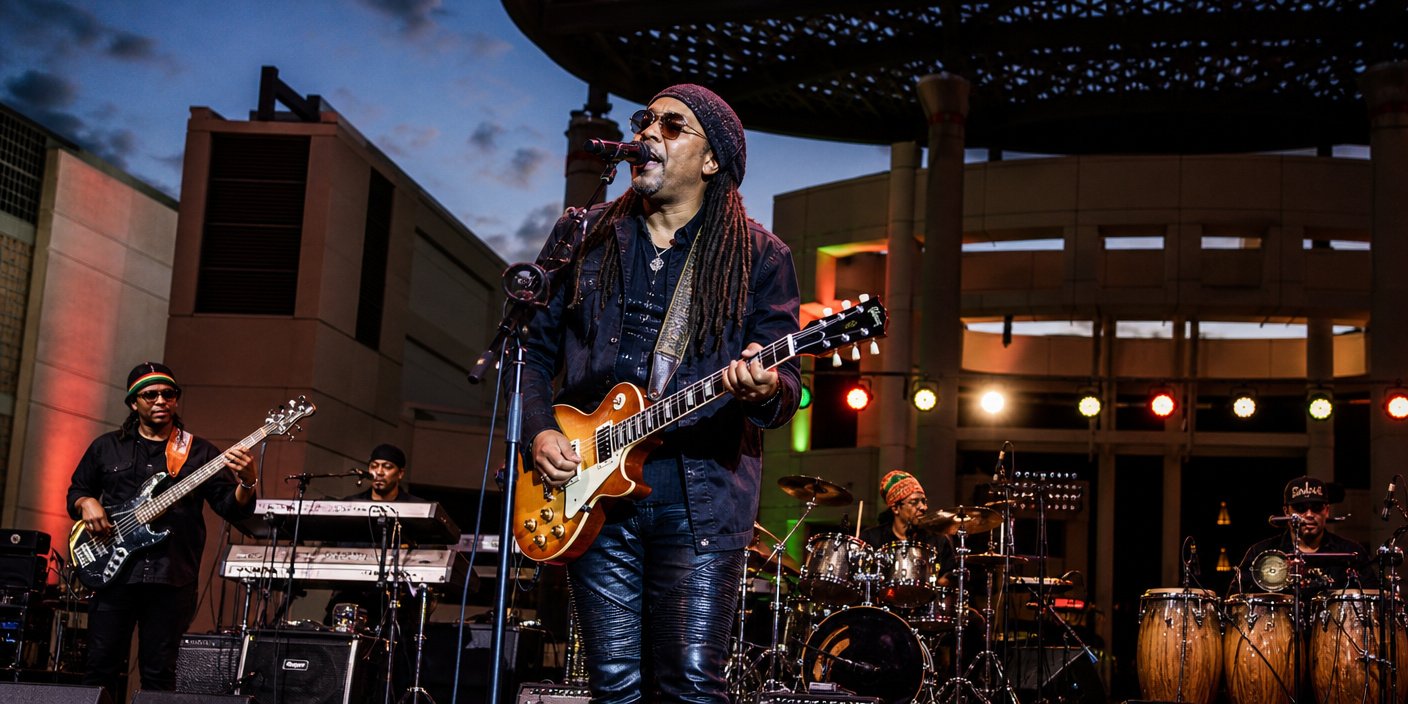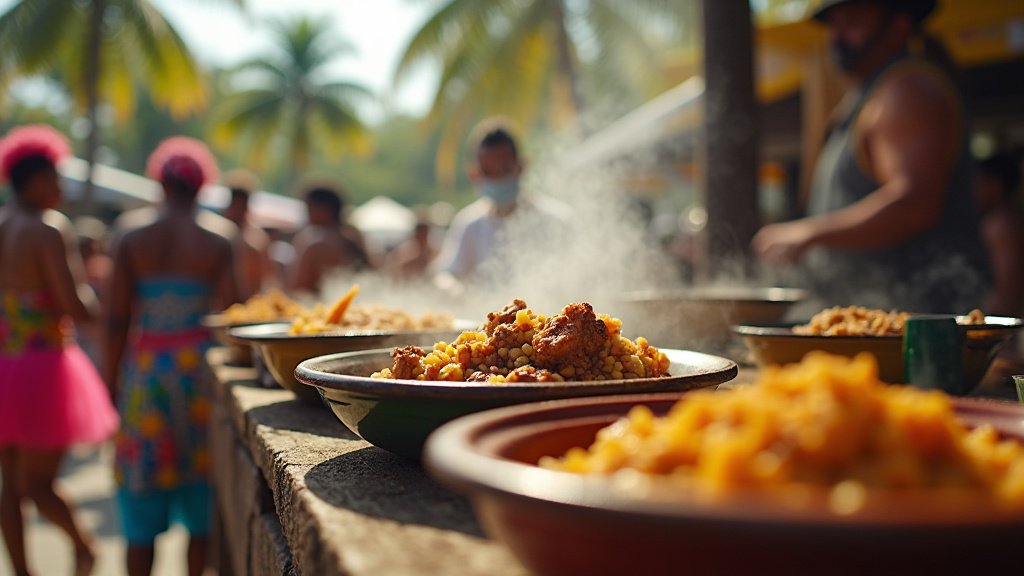
The Taste of Miami Karnival transformed the historic streets of Little Haiti into a pulsating epicenter of Caribbean culture this past Sunday, April 13, 2026. Thousands of revelers gathered along Northeast Second Avenue, where the air was thick with the scent of traditional spices and the relentless, driving beats of soca, kompa, and reggae. This annual parade, which shut down the district from Northeast 54th Street to Northeast 62nd Street, served as a powerful reminder of the resilience and creative spirit inherent in Miami’s diverse immigrant communities.
The Rhythm of the Streets: A Celebration of Identity
From the moment the first masquerade band hit the pavement, the atmosphere was electric. Elaborate costumes—feathers shimmering in the Miami sun, sequins catching the light, and intricate headpieces representing various island nations—turned the neighborhood into a living gallery. The event, hosted by local media personality Supa Cindy, aimed to foster unity across the Caribbean diaspora, bridging the gap between the Haitian community and broader regional groups like the Bahamians, Trinidadians, and Jamaicans who call South Florida home.
This isn’t merely a party; it is a profound declaration of identity. In an era where cultural displacement is a frequent topic of conversation in Miami, the visual display of heritage on the streets of Little Haiti serves as a defiant and joyous anchor. Participants moved in synchronized waves, their choreography reflecting centuries of tradition evolved through the lens of modern urban life. The sight of generational families—elders teaching children the traditional steps alongside youth vibing to the latest Afrobeats fusions—highlighted the bridge between ancestry and future progress.
Economic Vitality and Community Cohesion
Beyond the artistry, the Taste of Miami Karnival acts as a significant economic engine for the Little Haiti Cultural Complex and the surrounding business district. Street vendors lined the parade route, offering an authentic culinary tour of the Caribbean: patties, griot, jerk chicken, and refreshing tropical beverages. Local small business owners, who operate in a neighborhood facing rapid gentrification, leveraged the influx of foot traffic to showcase their services, from local fashion designers to artisanal craft makers.
Economic impact studies for cultural events of this scale in Miami often point to the ‘multiplier effect.’ When attendees travel from other parts of Miami-Dade County to Little Haiti, they aren’t just visiting the parade; they are engaging with the neighborhood’s permanent establishments. The revenue generated during these peak hours provides a much-needed injection of capital, keeping traditional storefronts viable in a competitive real estate market.
Beyond the Parade: The Role of Little Haiti Cultural Complex
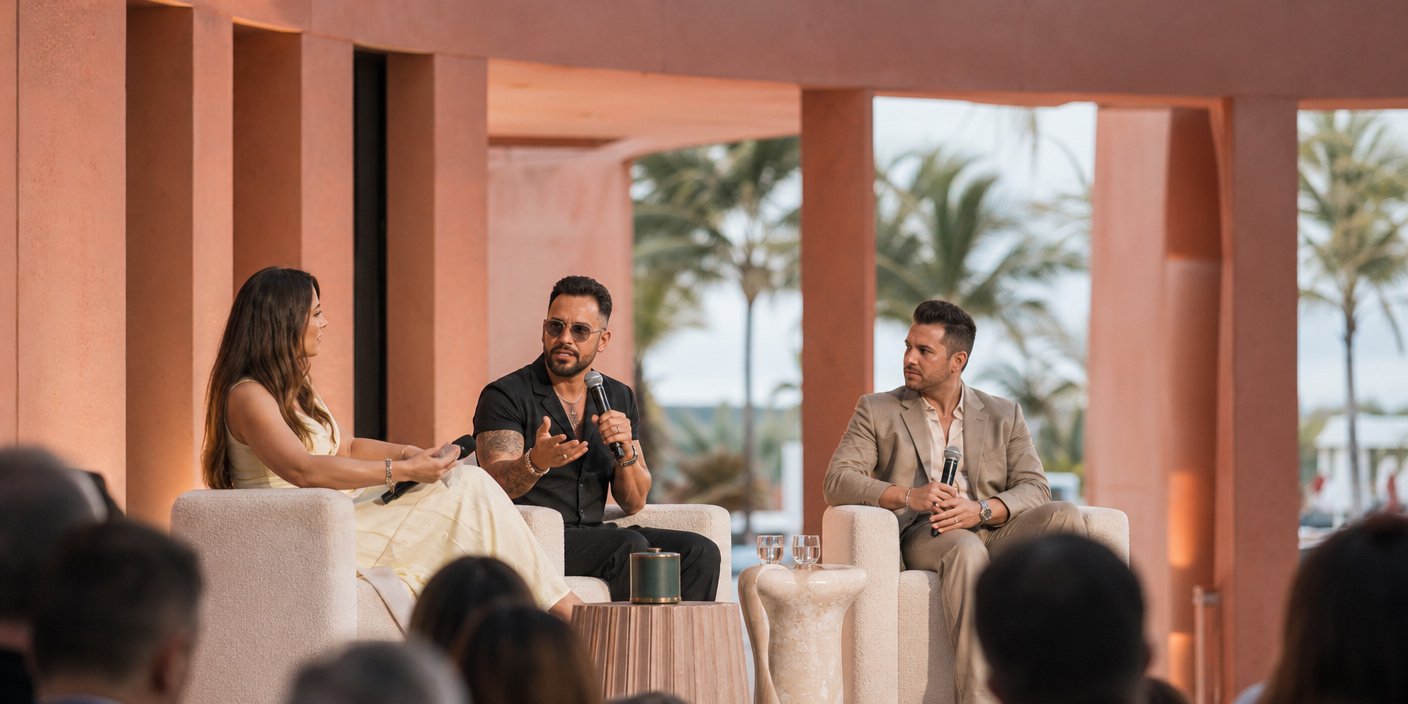
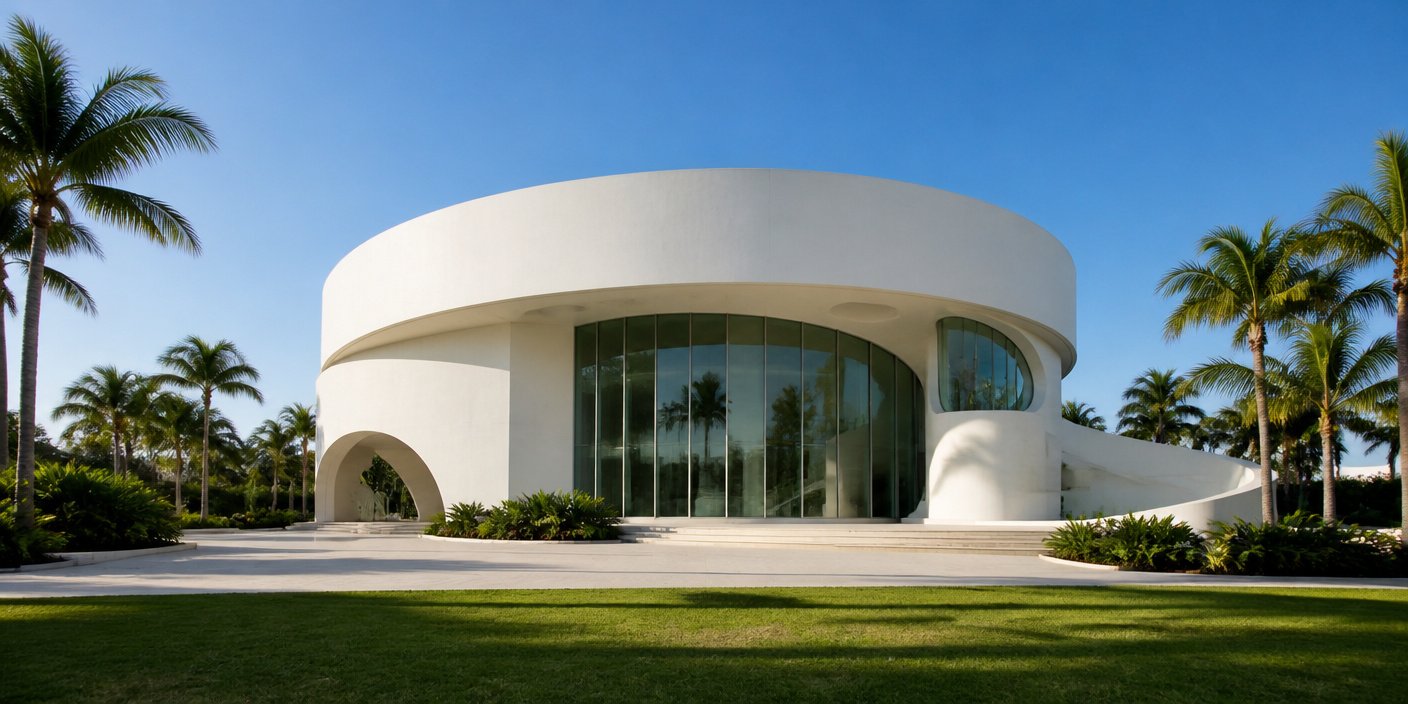
While the parade captured the public imagination, the festivities were anchored by the Little Haiti Cultural Complex. This institution has become the heartbeat of the community, serving as a sanctuary for art, history, and education. During the Karnival, the complex transformed into a central hub where the energy of the street parade met structured cultural programming. Panel discussions and art installations within the complex’s walls allowed attendees to move from the kinetic energy of the street to the contemplative space of the gallery.
This integration is deliberate. The organizers understand that for a culture to survive, it must be performed (the parade) and documented (the institution). By blending the ‘Arts & Eats’ programming with the high-octane street parade, the event successfully cultivated a holistic experience that educated newcomers while honoring the traditions of long-time residents.
Preserving Heritage in a Changing Miami
As Miami evolves, the preservation of its ‘cultural neighborhoods’ remains a critical topic for urban planners and residents alike. The Taste of Miami Karnival is more than just a calendar date; it is an act of place-making. It reaffirms Little Haiti’s status as a global destination for Caribbean thought and creativity. The success of this year’s event demonstrates that there is a massive appetite for authentic cultural engagement. As developers continue to build luxury condos around these historic districts, events like this serve as vital cultural markers, reminding the city that its true value lies in the human stories and diverse backgrounds of its people.
The future of the Caribbean festival scene in Miami looks promising, with increasing support from local municipalities and arts councils. However, the true success remains in the hands of the community organizers and the artists who ensure that despite the modernization of the city, the heartbeat of the Caribbean remains loud, proud, and clearly audible in the streets of Little Haiti.
FAQ: People Also Ask
Q: What is the difference between the Taste of Miami Karnival and the Miami Carnival?
A: The Taste of Miami Karnival is a specific, local event held in the spring in Little Haiti, often focused on community arts and cultural cuisine. The Miami Carnival is a much larger, historically established regional event traditionally held in the fall, featuring a massive parade of bands and a major concert, usually hosted at larger fairgrounds.
Q: Who were some of the key figures involved in the 2026 event?
A: The event was notably hosted by media personality Supa Cindy, who has been a vocal advocate for Caribbean unity in Miami. The programming also featured local artists, culinary experts, and dancers who represent the diverse Caribbean-American demographic.
Q: Why is Little Haiti the location for this parade?
A: Little Haiti is a historic hub for Miami’s Caribbean immigrant population. Hosting the parade here provides visibility for the neighborhood, supports local small businesses, and allows the community to celebrate their heritage on home turf, which is crucial for maintaining the cultural identity of the area amidst rapid city development.
Q: How does the event support the local economy?
A: The influx of thousands of attendees provides direct revenue for local food vendors, artists, and retailers. Additionally, the event raises the profile of the Little Haiti Cultural Complex, which hosts events throughout the year, keeping the area as a consistent destination for tourists and locals alike.