Miami-Dade Commissioners Defer Crucial Mental Health Center Opening
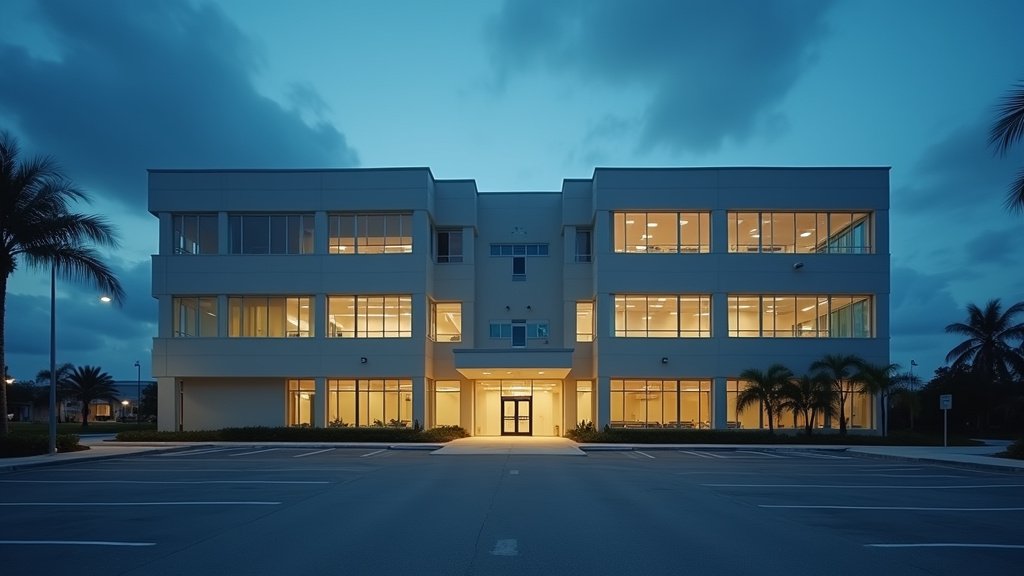
Miami-Dade County Commissioners have again postponed the decision to open a $51 million mental health center. This delay stems from ongoing concerns about long-term funding. The facility, designed to divert individuals with severe mental illnesses from the jail system, has been ready for over a year.
This news is trending as county leaders debate crucial funding for public services. The Miami-Dade County Commissioners are seeking a five-year financial guarantee. However, the first two and a half years of operation are covered by federal American Rescue Plan Act funds and opioid settlement dollars. This leaves a significant gap for the subsequent three years.
The Urgent Need for the Center
For decades, Miami-Dade County’s jail has functioned as Florida’s largest psychiatric facility. Thousands of individuals with serious mental illnesses are incarcerated not for danger, but due to a lack of treatment access. This creates a revolving cycle of jail, homelessness, and hospitalization. The county spends approximately $1.1 million daily, or $414 million annually, on jailing individuals with mental illnesses. Over the past decade, jail operations related to mental health needs have cost nearly $3.9 billion.
The Miami Center for Mental Health and Recovery was built to break this cycle. It aims to offer crisis stabilization, substance use treatment, residential and outpatient care, primary medical services, and housing support. An on-site courtroom would speed diversion from jail into treatment. Judge Steve Leifman, a key advocate, believes this center is a game-changer and a potential national model. The center was voter-approved 20 years ago.
Funding Concerns and Financial Scrutiny
Commissioners express a need for confirmed financial coverage for five years before opening. Currently, the county faces a $36 million shortfall for the third, fourth, and fifth years of operation. While proponents suggest alternative funding like a food and beverage tax, these ideas are still under discussion.
This cautious approach to the mental health center contrasts with other county spending. For example, Miami-Dade committed $46 million in cash and services for the FIFA World Cup 2026. This commitment was based on unprovable tourism forecasts. This has drawn criticism, as the county is balking at $36 million for five years of essential mental health treatment while readily spending on sports events.
The Staggering Impact of the Delay
The delay in opening the center has significant financial and human costs. The county spends roughly $7.2 million annually just to maintain the empty facility. More importantly, lives are being impacted. Individuals who could receive vital treatment are instead cycling through the justice system. Diversion programs that are already operating show significant reductions in re-arrest rates and jail days.
The Miami Center is seen as critical for addressing the county’s mental health crisis. It can divert individuals to proper treatment and recovery services. Without it, the cycle of incarceration and homelessness continues. This also places a strain on law enforcement and emergency services.
Charting a Path Forward
Advocates are urging commissioners to approve the operating plan and budget. They emphasize that the initial funding is secured. The University of Miami will conduct an evaluation during this pilot period. This evaluation can provide data to secure future funding.
The facility is built, certified, and ready. Its opening is a pivotal moment for public safety, homelessness reduction, and improved mental healthcare in Miami. The decision now rests with the county commissioners. This news from Miami highlights a broader challenge in funding essential social services. It is a trending topic in local governance across the nation.