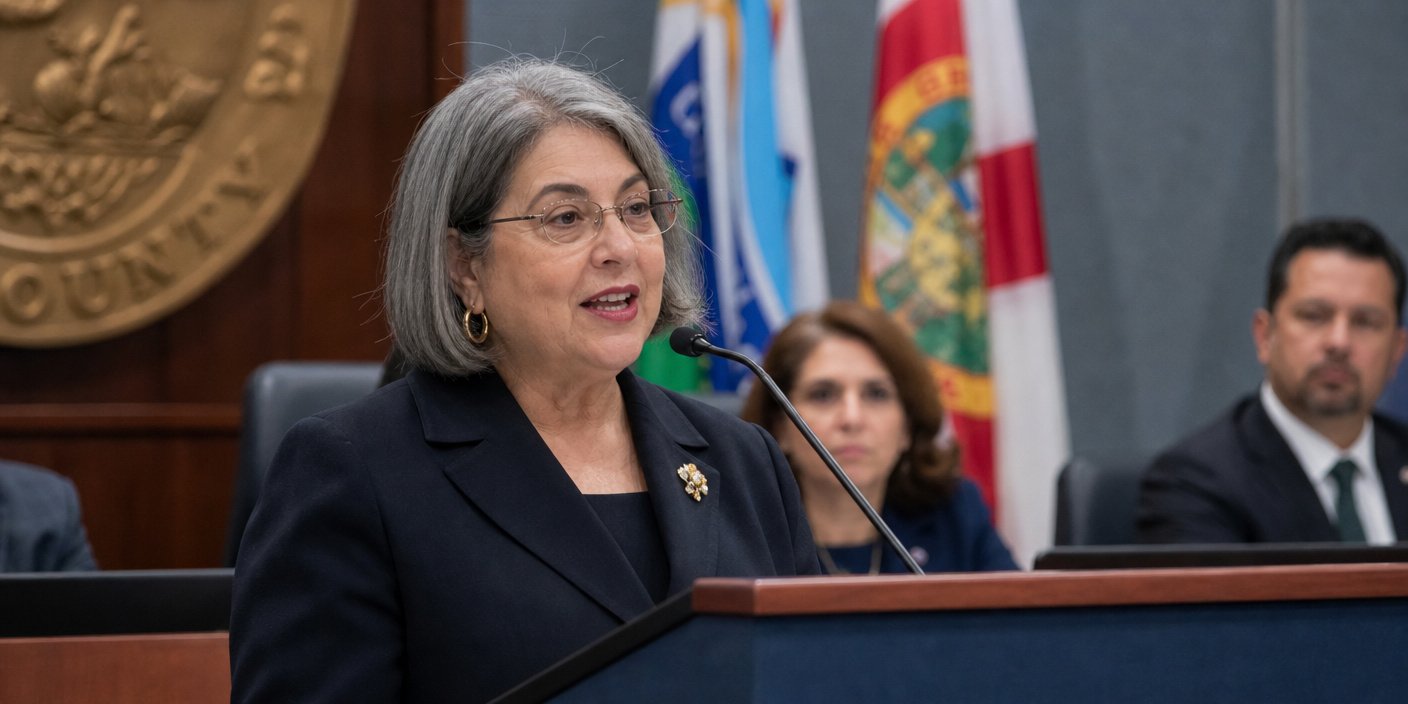
Miami-Dade commissioners are voicing sharp opposition to a controversial partnership that would see a ‘Welcome to Vice City’ sign installed at the Kaseya Center, questioning the implications of associating a major public venue with the violent themes of Rockstar Games’ blockbuster franchise. The friction arises from a deal authorized by Mayor Daniella Levine Cava, which promises $1 million in revenue for the county but has prompted a re-examination of how public spaces are branded and promoted.
The Intersection of Gaming Culture and Public Policy
The dispute centers on the naming rights and promotional aesthetics associated with the Grand Theft Auto (GTA) franchise—specifically the fictional ‘Vice City,’ which serves as a satirical, often violent, parody of 1980s Miami. While Rockstar Games has undeniably cemented ‘Vice City’ as a cultural touchstone in the gaming world, commissioners argue that permanently affixing this brand to the Kaseya Center—the home of the Miami Heat and a premier civic landmark—is a bridge too far.
The primary concern voiced by county officials is not just about the game itself, but the signal it sends regarding Miami’s civic identity. Critics of the deal argue that branding the city’s premiere entertainment venue with a title synonymous with simulated crime, theft, and gang violence creates a dissonance that could negatively impact the county’s reputation. This is not merely an aesthetic disagreement; it represents a fundamental clash between modern, high-revenue corporate partnerships and the long-term stewardship of a city’s public image.
Economic Reality vs. Reputation Management
At the heart of the administration’s defense is the $1 million price tag. In an era where municipal budgets are increasingly strained, the allure of private-sector influxes is substantial. The Mayor’s office maintains that the deal is a standard commercial agreement, bringing in significant funds without requiring tax hikes or public funding reallocation. However, critics on the commission are asking if the financial compensation is sufficient to offset the potential cultural blowback.
The economic analysis of this deal is complex. If the sign acts as a magnet for tourism, effectively leveraging the viral nature of the game’s popularity, it could be argued as a net positive for local businesses. Conversely, if the branding alienates families or misrepresents the city to international visitors as a crime-ridden metropolis—albeit a fictional one—the ‘opportunity cost’ of the branding could potentially outweigh the $1 million infusion. The commissioners are now seeking clarity on the contractual language: is this a temporary pop-up promotion, or a permanent fixture that will linger long after the initial marketing campaign concludes?
The Political Tension: Executive Authority and Commission Oversight
The controversy has also highlighted a growing rift regarding executive authority within Miami-Dade government. Mayor Daniella Levine Cava’s authorization of the deal without a full, public debate by the commission has become a flashpoint. Commissioners, who are elected to represent the diverse interests of the county’s constituents, feel bypassed in a decision that fundamentally alters the ‘front door’ of Miami’s most recognizable arena.
This incident serves as a stress test for the county’s oversight mechanisms. As digital entertainment brands continue to grow in influence and wealth, they are increasingly seeking to stake their claims in the physical world. This ‘phygital’ (physical-digital) expansion requires a robust governance framework to ensure that public assets are not being leveraged in ways that conflict with the community’s values. The commission is now pushing for a formal policy change that would require greater transparency and legislative approval for any future brand partnerships involving public landmarks.
The Broader Cultural Context of ‘Vice City’
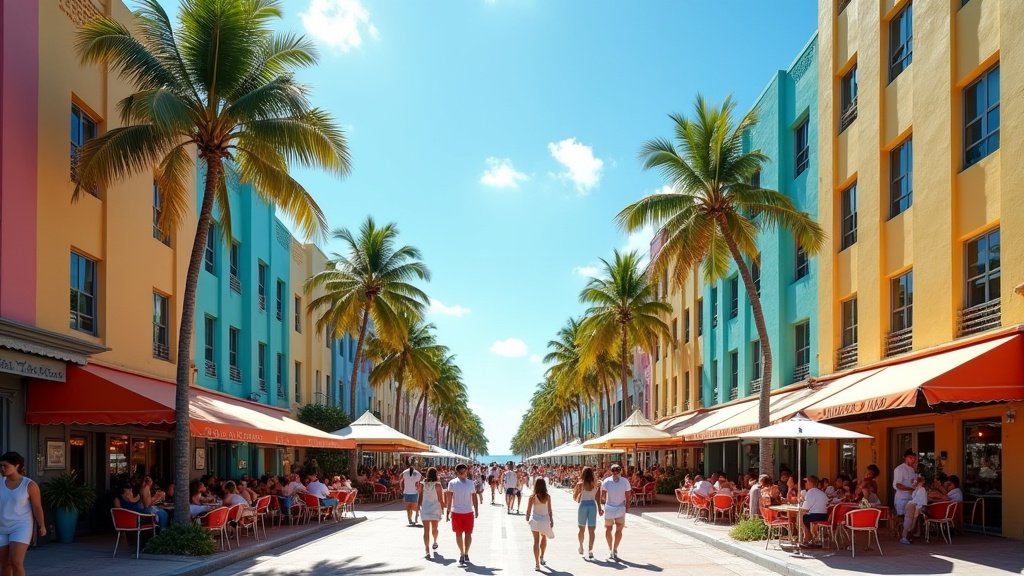
To understand the intensity of the pushback, one must understand the legacy of the Grand Theft Auto franchise in Miami. The fictional ‘Vice City’ is deeply inspired by the Miami of the 1980s, an era defined by neon, excess, and, notoriously, the cocaine trade and heightened criminal activity. While the game is widely recognized as a satire and a technical masterpiece in narrative design, it is also unapologetically violent.
For some, the branding is a nostalgic homage to a defining era of Miami’s history. For others, it is an unwelcome reminder of a chapter the city has worked hard to evolve beyond. This duality makes the ‘Welcome to Vice City’ sign a particularly potent symbol of the city’s ongoing struggle to balance its colorful, often gritty history with its aspirations as a global hub for technology, finance, and culture. The commission’s current scrutiny is essentially a debate over what Miami wants to be known for: the neon-soaked chaos of the past, or the professionalized, forward-looking city of the future.
Ultimately, the ‘Vice City’ deal is a litmus test for Miami-Dade. It forces the county to confront the commodification of its own identity. As the commission deliberates, the decision will likely set a lasting precedent for how the county handles future corporate partnerships, ensuring that economic pragmatism does not completely overshadow the importance of civic dignity and long-term reputation.
FAQ: People Also Ask
Why are Miami-Dade commissioners specifically opposed to the ‘Vice City’ branding?
Commissioners are concerned that associating a major public venue like the Kaseya Center with a video game franchise defined by violent criminal themes damages the county’s reputation and undermines its public image.
What is the financial value of the deal struck with Rockstar Games?
The deal brings in approximately $1 million for the county. Critics argue this amount is insufficient given the potential long-term reputational risks associated with the branding.
Does the Mayor have the power to authorize such deals unilaterally?
Mayor Daniella Levine Cava’s administration utilized existing protocols to authorize the deal. However, the commission is now challenging this process, arguing that such high-profile partnerships involving public landmarks should require more significant oversight and legislative approval.
Will the ‘Welcome to Vice City’ sign actually be installed?
The project’s status is currently in flux. Following the commissioners’ expressions of concern and the push for greater oversight, the future of the signage installation is under intense review, with the possibility of the deal being renegotiated or cancelled to appease the political opposition.