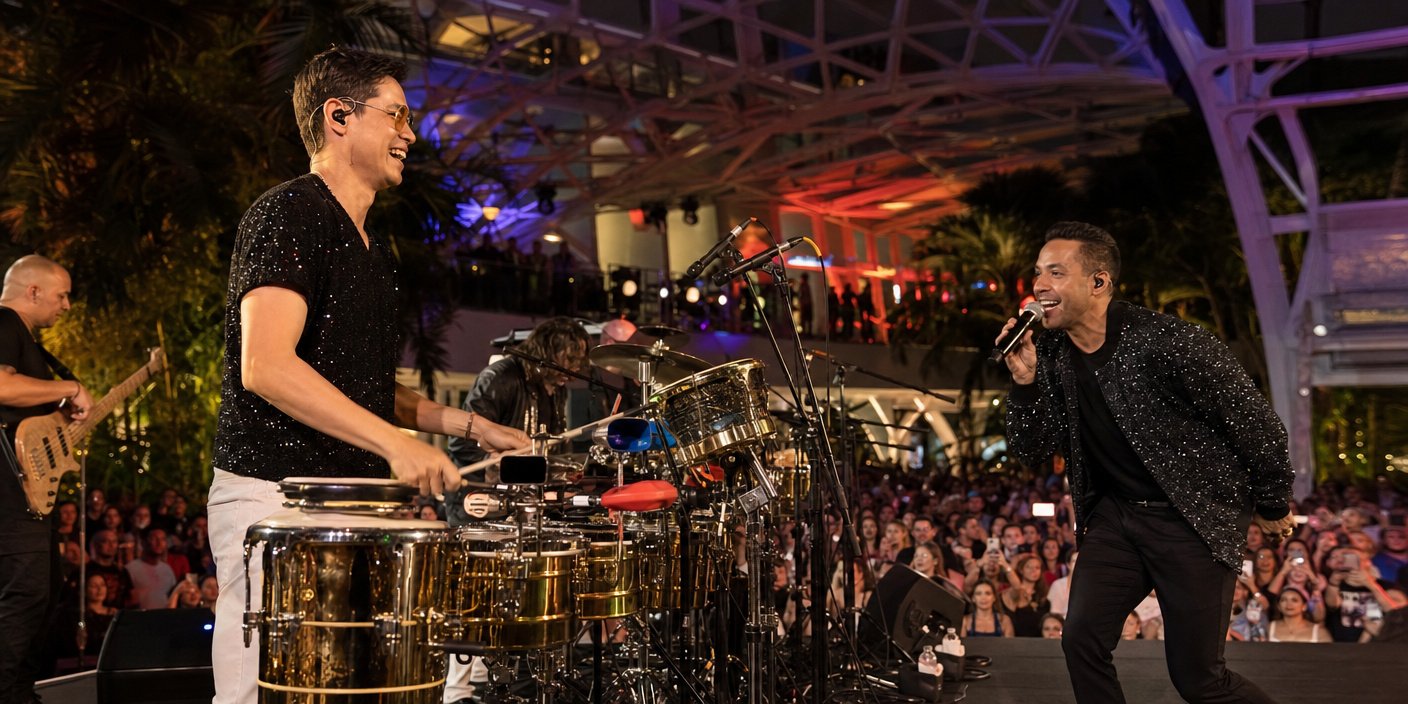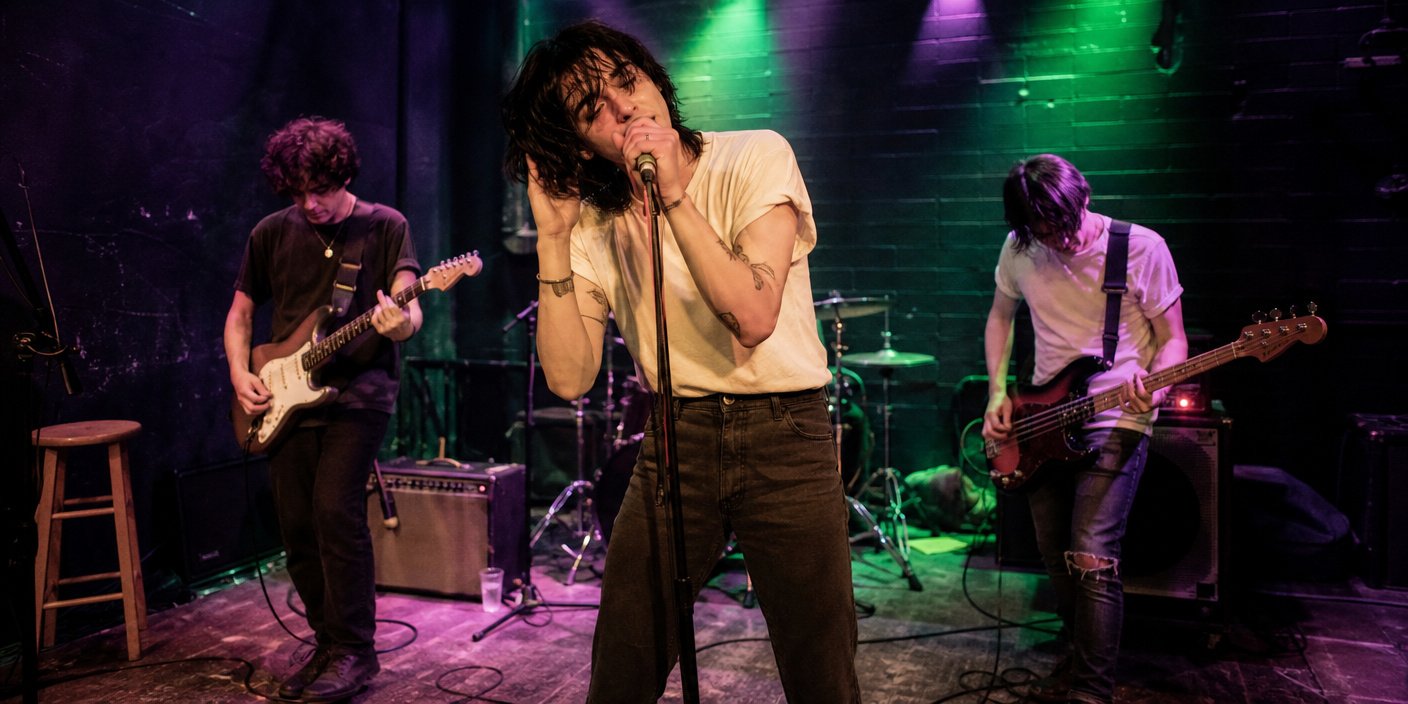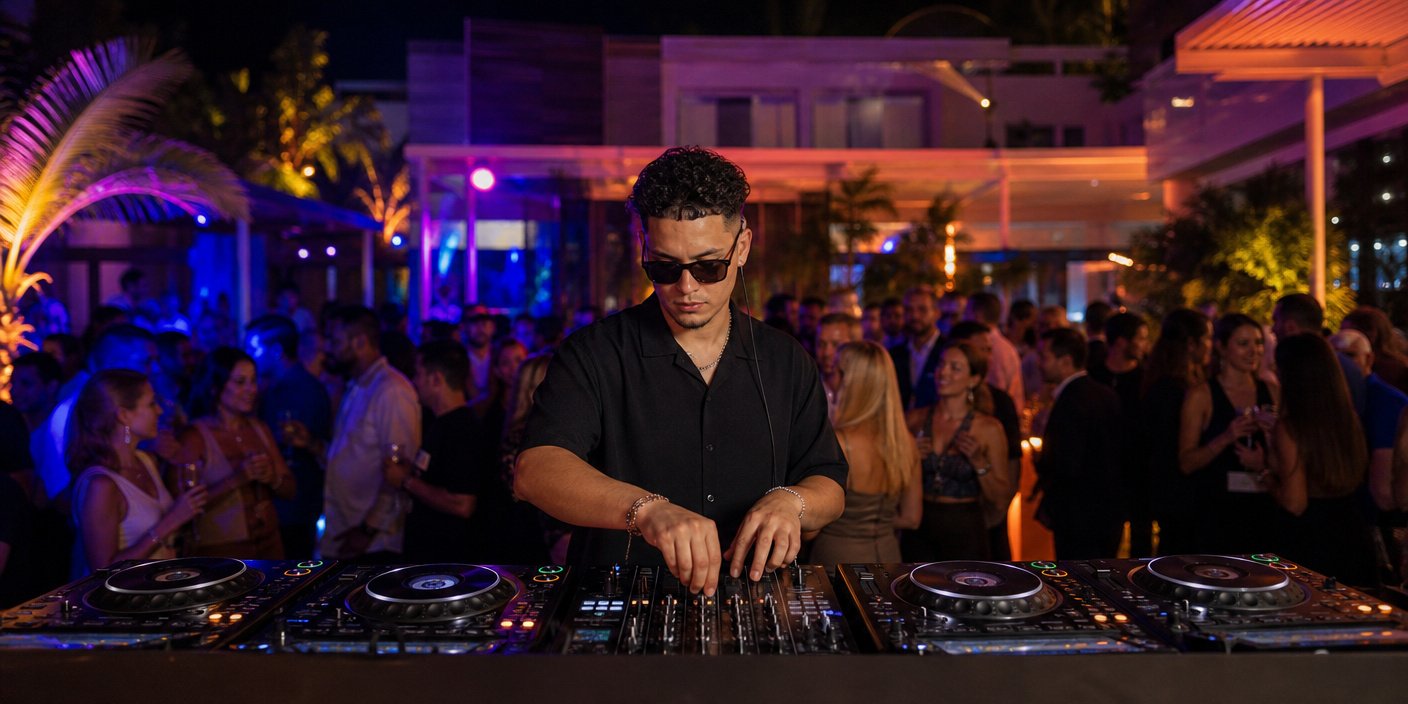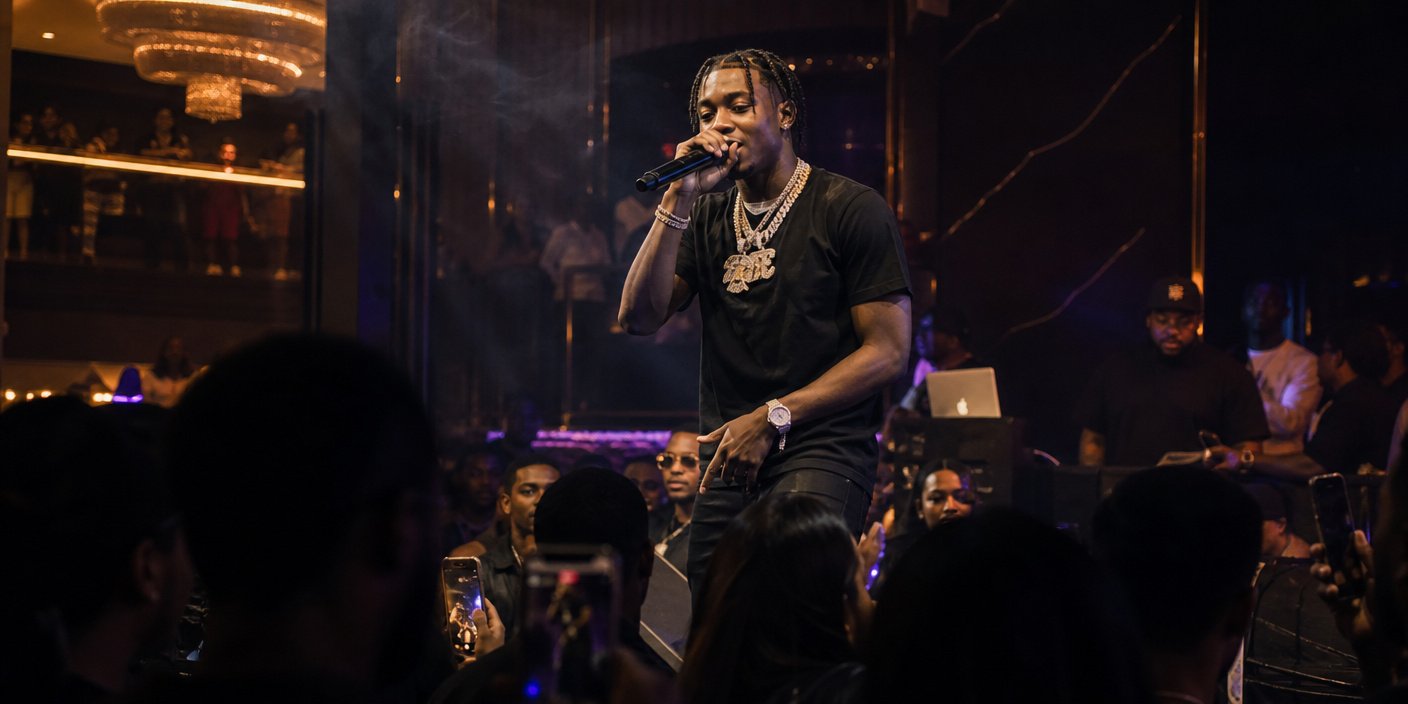
Miami’s vibrant music scene is facing a harsh reality: pervasive industry bias that disproportionately affects women. Despite growing calls for equality, female artists and industry professionals in Miami continue to navigate a landscape rife with sexism, from unequal opportunities to overt discrimination, hindering their career progression and creative expression.
Key Highlights:
- Women in Miami’s music industry face significant gender-based bias.
- Artists report unequal pay, fewer performance opportunities, and lack of representation.
- The industry’s male-dominated structure perpetuates these challenges.
- Calls for systemic change and greater inclusivity are growing louder.
- Mentorship and support networks are crucial for empowering women in music.
Navigating the Soundwaves: Gender Bias in Miami’s Music Industry
The pulse of Miami’s music scene is undeniable, a melting pot of genres and talent. Yet, beneath the surface of vibrant festivals and bustling studios, a persistent challenge echoes: gender bias. For women in this dynamic industry, the journey to success is often an uphill battle against deeply entrenched sexism. From the equitable distribution of performance slots at local venues to the wage gap in production and management roles, female musicians and industry professionals report facing an uphill struggle that their male counterparts rarely encounter.
The Unseen Barriers to Entry
Many aspiring female artists find that securing gigs is significantly harder. Promoters and venue owners, often influenced by traditional gender roles and unconscious biases, may overlook qualified female acts in favor of male-dominated bands. This isn’t just about talent; it’s about perception and access. “It feels like you always have to prove yourself twice as much,” shares Maya Rodriguez, a local indie singer-songwriter. “Even when you bring the crowd, you get fewer offers for better-paying or more prominent slots.”
The Pay Gap and Ownership Disparity
Beyond performance, the economic realities are stark. Statistics and anecdotal evidence point to a significant pay gap. Women often accept lower fees for their work, whether it’s a live performance, a session gig, or a production role. Furthermore, ownership and leadership positions within music companies, labels, and even bands are overwhelmingly held by men. This lack of representation at the decision-making level means that the perspectives and needs of women are frequently sidelined.
The Impact on Creative Expression
This pervasive bias doesn’t just affect career trajectories; it stifles creative expression. Fear of being labeled ‘difficult’ or ’emotional’ can lead women to temper their artistic vision or avoid pushing creative boundaries. The pressure to conform to industry expectations, which are often shaped by a male gaze, can dilute an artist’s authentic voice. “You want to express yourself fully, but you’re always aware that you’re being judged not just on your music, but on your gender,” comments DJ Luna, a rising electronic music producer.
Building a More Equitable Future
The conversation around gender equality in music is gaining momentum, and Miami is no exception. Initiatives aimed at promoting female artists, fostering inclusive environments, and educating industry professionals about bias are starting to emerge. However, systemic change requires a concerted effort from artists, industry leaders, venues, and audiences alike. Creating mentorship programs, actively seeking out and promoting diverse talent, and implementing transparent hiring and compensation practices are vital steps towards leveling the playing field.
FAQ: People Also Ask
What are the main challenges women face in the music industry?
Women in the music industry often encounter issues such as gender-based bias, unequal pay, limited access to opportunities (gigs, funding, promotion), underrepresentation in leadership roles, sexual harassment, and the pressure to conform to industry stereotypes.
How does gender bias affect performance opportunities for female musicians?
Gender bias can lead to female musicians receiving fewer booking offers, being assigned less desirable time slots, or being overlooked for key performance opportunities. This is often due to preconceived notions about audience appeal or genre suitability based on gender.
What is being done to address sexism in the music industry?
Efforts to combat sexism include promoting diversity and inclusion initiatives, establishing mentorship programs for women, creating platforms that highlight female artists and industry professionals, implementing anti-harassment policies, and raising awareness through advocacy and educational campaigns.
How can audiences support women in music?
Audiences can support women in music by actively seeking out and attending performances by female artists, purchasing their music and merchandise, sharing their work on social media, and advocating for gender equality within the music scene. Choosing venues that promote diverse lineups also sends a strong message.
What is the significance of International Women’s Day for musicians in Miami?
International Women’s Day serves as a crucial platform for Miami’s musicians to voice their experiences with industry bias, raise awareness about gender inequality, and advocate for greater equity and representation within the local and global music industry. It highlights the ongoing struggles and celebrates the achievements of women in music.