A new Miami Water Taxi service now connects Miami and Miami Beach, launching as a free transit option on Tuesday, January 20, 2026. This initiative aims to significantly ease traffic congestion, a persistent problem for both cities battling packed roadways and causeways. Exploring the city’s waterways offers a fresh and efficient solution, making this a significant development in Miami current affairs.
Core Service Details of the Miami Water Taxi
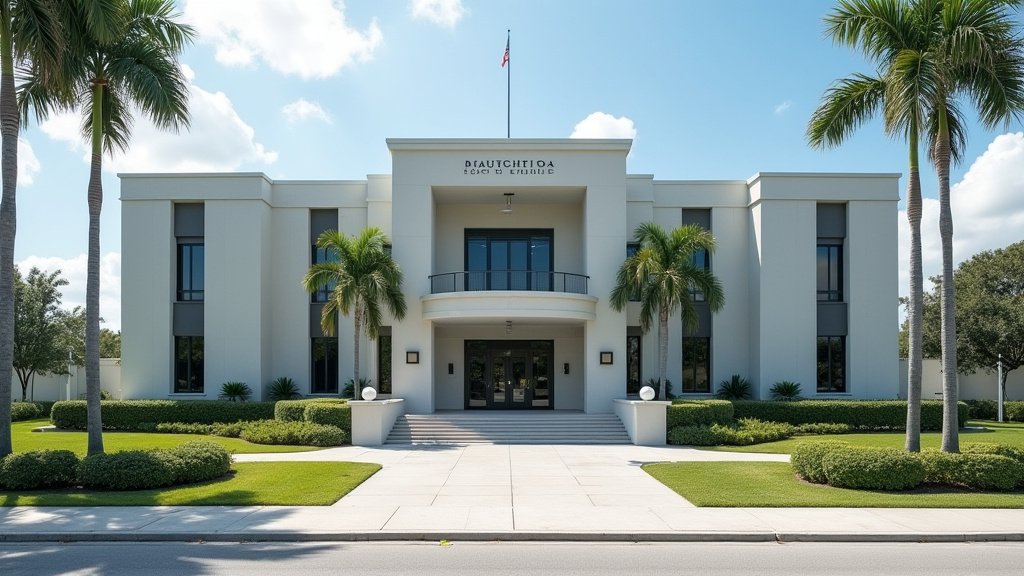
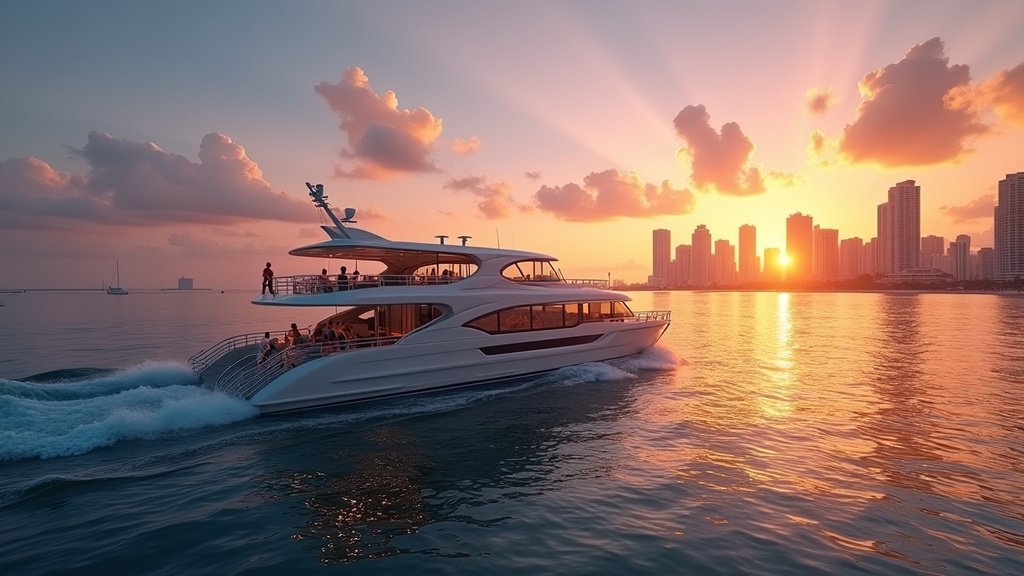
The new Miami Water Taxi service utilizes modern 40-foot boats, each capable of carrying up to 55 passengers. The journey across Biscayne Bay takes approximately 20 minutes, providing a scenic and sustainable commute option. This represents a welcome change for daily commuters seeking alternatives to traditional Miami Beach transit. The primary Miami Water Taxi route operates between Maurice Gibb Memorial Park in Miami Beach and the Venetian Marina (also known as Sea Isle Marina) in Miami. Service is available on weekdays, from 7 a.m. to 7:30 p.m., with no weekend service initially. Boats run hourly for most of the day, increasing to every 30 minutes during the evening rush hour, specifically targeting commuters and visitors. The total annual cost for this essential Miami Water Taxi service is approximately $1.2 million, with Miami Beach funding half and a state grant covering the remainder.
Addressing Past Challenges with Miami Water Taxis
Miami Beach has previously explored water taxi options, but past attempts faced significant issues. A pilot program in 2017 suffered from low ridership, and the “Poseidon Ferry” encountered recurring maintenance problems in 2020 and 2022. Although relaunched in 2024, repeated mechanical failures and concerns about cleanliness plagued the service, leading to consistently low ridership. One previous ferry, costing $50,000 monthly via a no-bid deal, ultimately ended due to its unreliability. Learning from these past attempts, the current administration has partnered with Water Taxi of Fort Lauderdale LLC, aiming for a far more dependable Miami Water Taxi operation.
Connecting Communities with the Miami Water Taxi
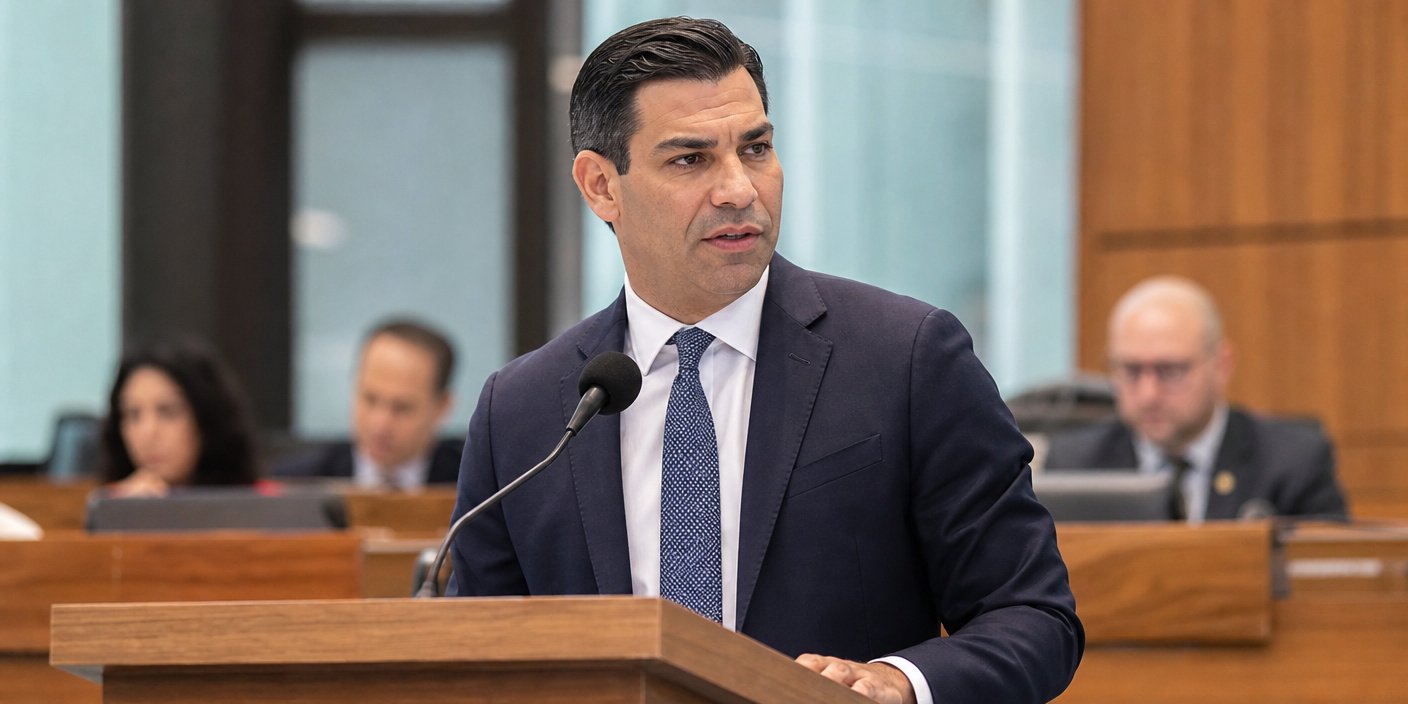
Miami Beach Mayor Steven Meiner has heralded this initiative as a “historic day,” emphasizing its utilization of the area’s “greatest natural asset.” The waterways now provide a dependable alternative, crucial for reducing reliance on cars and supporting the city’s broader goal of becoming less car-centric. This Miami Water Taxi integrates seamlessly with existing public transportation. Free trolleys operate within Miami Beach, and Freebee offers on-demand rides. In Miami, passengers can connect to bus routes, with the OMNI station serving as a key transit hub. This enhanced connectivity greatly eases travel and offers a stress-free parking alternative. The consistent 20-minute travel time of the Miami Water Taxi bypasses bridge delays, providing a genuinely hassle-free commute.
Inspiration and Future Plans for Miami Water Transit
The popularity of similar water taxi services during Art Basel Miami Beach events, which attract large crowds, served as inspiration for this expanded service. City leaders recognized the demand and are now implementing a more permanent solution. While the current Miami Water Taxi route runs east-west, officials are optimistic about future expansion to include north-south routes, contingent on securing additional funding. The long-term objective is to establish comprehensive water transit that connects more neighborhoods and links with other Miami-Dade transit options. Miami-Dade County is actively exploring a wider waterborne transit network, with a study examining 10 potential stops across 470 miles of waterways, underscoring a growing regional commitment to water transit and reflecting significant Miami current affairs in planning.
The Rider Experience on the Miami Water Taxi
Initial feedback from riders of the Miami Water Taxi has been overwhelmingly positive. Visitors frequently praise the scenic journey, describing it as both fun and akin to a tour. Passengers have noted the friendly crew and the convenience of the easy travel, appreciating it as a practical way to navigate between the two cities. The boats can accommodate bicycles and scooters, space permitting, offering valuable flexibility for micro-mobility users. This new transit option promises an enhanced rider experience, offering a welcome escape from frustrating traffic jams. It represents a significant step towards smarter mobility and is a key piece of recent Miami news.