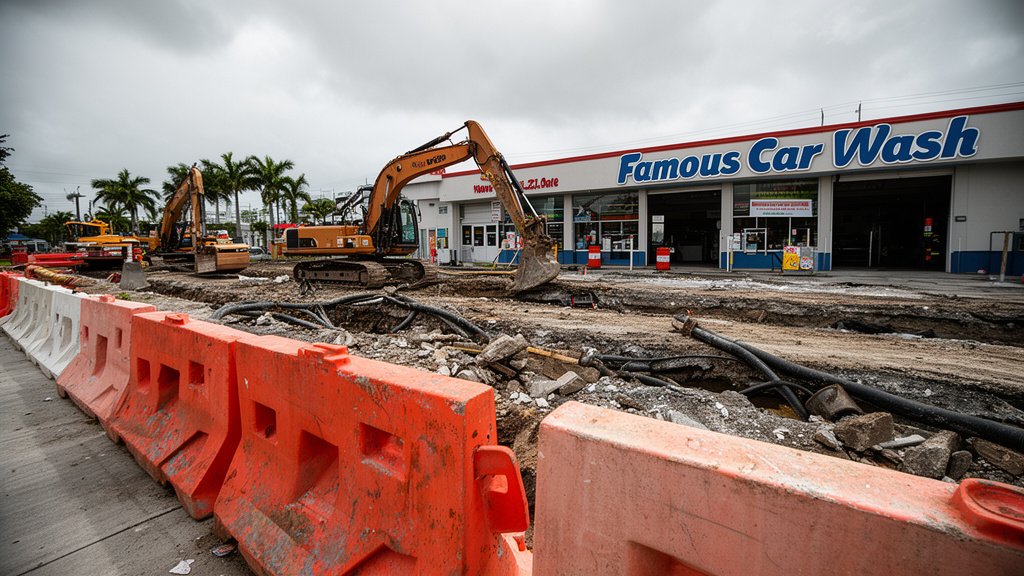
The Florida Department of Business and Professional Regulation (DBPR) has issued emergency closure orders for 13 restaurants across Miami-Dade, Broward, and Palm Beach counties this week, highlighting a distressing trend of sanitation failures in the South Florida hospitality sector. The latest report, popularized by investigative food safety tracking, has brought to light egregious violations that underscore the persistent struggle to maintain hygiene in a subtropical climate. From high-end sushi bars to local cafes, the findings—ranging from rodent droppings near food preparation stations to swarms of flies landing on exposed bread—serve as a stark reminder of the regulatory vigilance required to protect public health.
Key Highlights
- Emergency Closures: 13 restaurants across three counties were ordered to cease operations immediately following state inspections.
- Recurring Violations: Inspectors repeatedly cited rodent activity, including droppings in food prep areas, and fly infestations settling on ready-to-eat products.
- Public Accountability: The “Sick and Shut Down” list serves as a transparent, consumer-facing tool that forces establishments to address critical failures before reopening.
- Re-inspection Requirement: Every impacted venue was prohibited from serving customers until passing a rigorous follow-up inspection, emphasizing that these closures are temporary fixes for systemic operational failures.
The Hygiene Crisis: Anatomy of a Restaurant Shutdown
The most recent wave of health department interventions serves as a case study in the intersection of operational negligence and environmental vulnerability. In South Florida, where humidity and heat create a perennial haven for pests, the margin for error in restaurant sanitation is razor-thin. When inspectors enter a kitchen and document “rodent activity”—often evidenced by droppings or physical presence near sushi counters or dry storage—it indicates a breakdown not just in cleanliness, but in the structural integrity of the building’s pest control protocols.
Environmental Challenges vs. Operational Protocols
While it is easy to blame the warm climate, the reports suggest that the primary failures are internal. Restaurants are required to maintain specific barrier controls to prevent pests from accessing food storage. When inspectors find “bread flies”—a colloquialism for the swarm of insects attracted to yeast and carbohydrates—it signifies that the kitchen’s food storage procedures are being ignored. Ingredients are frequently left uncovered, allowing pests to interact directly with items meant for consumption. This is not merely a “bad day” in the kitchen; it is a fundamental lapse in the basic tenets of Hazard Analysis Critical Control Point (HACCP) planning, the industry-standard framework designed to ensure food safety.
The Economic and Reputational Toll
For the restaurant owner, a closure order is a high-stakes emergency. Beyond the immediate loss of revenue, there is the long-term impact on brand reputation. In an era where online reviews and social media coverage drive dining choices, being added to the DBPR’s public record of “sick and shut down” venues can be a death knell for smaller, independent establishments. The transparency of these inspections, published regularly by organizations like the Miami Herald, empowers the consumer but creates an unforgiving environment for operators who cut corners. The “Dirty Dining” reporting cycle has effectively turned health inspections into a form of public accountability, forcing restaurants to prioritize safety over cost-cutting measures like delaying professional extermination services or neglecting staff training on handwashing.
Future Implications for South Florida Dining
As the region continues to expand as a global culinary destination, the pressure on the DBPR to conduct frequent, unannounced inspections will likely increase. The focus is shifting from simple compliance to systemic prevention. Industry experts suggest that the next evolution in South Florida food safety will involve more integrated technology, such as automated temperature monitoring and AI-driven pest surveillance, to help kitchens stay ahead of infestation before inspectors arrive. Until then, the rigorous, manual inspection process remains the only true safeguard between the dining public and the risks of contamination.
FAQ: People Also Ask
How does the DBPR decide which restaurants to inspect?
Inspections are typically conducted on a routine rotation, but the department also reacts swiftly to consumer complaints. If a diner suspects unsanitary conditions, they can file a complaint with the Florida DBPR, which often triggers an unannounced inspection.
What happens after a restaurant is ordered to close?
An establishment ordered shut must immediately stop all food service. It can only reopen after it has corrected the violations—which are verified by a state inspector during a follow-up visit. If the establishment fails the follow-up, it remains closed until subsequent inspections are passed.
Can diners view these inspection reports?
Yes. The Florida DBPR maintains a public, searchable database of all restaurant inspections. Consumers can look up the name of any restaurant in the state to view its history of violations, including whether it has ever been issued a closure order.
Why are rodents and flies such common issues in Florida?
Florida’s subtropical climate is inherently hospitable to pests year-round. However, pests are primarily attracted to restaurants due to food availability and lack of exclusion measures (such as gaps under doors or unsealed pipes). Consistent, professional pest control and strict food storage discipline are the only effective barriers.