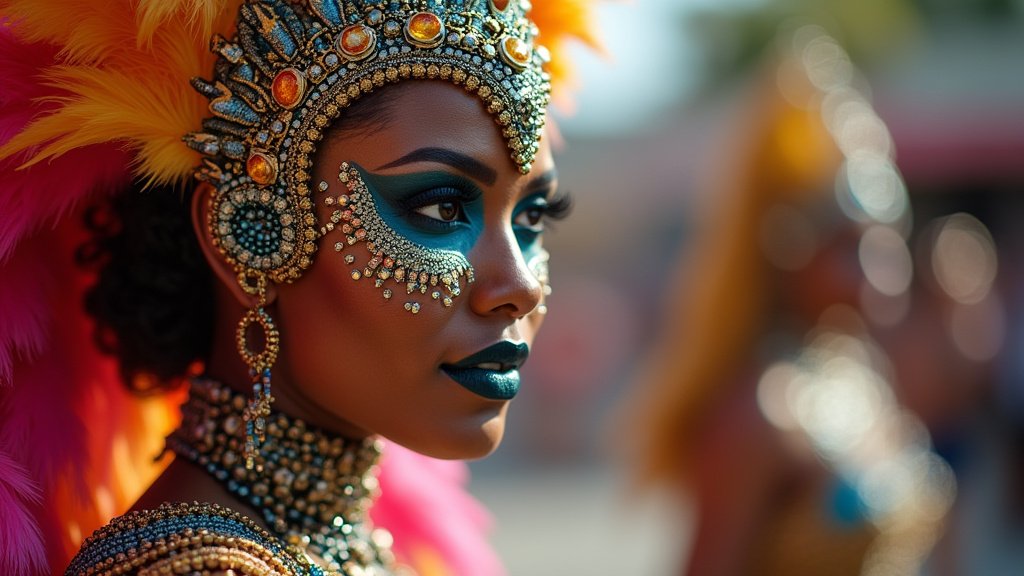
The sun-drenched streets of Little Haiti transformed into a kaleidoscope of color and rhythm this weekend as the 2026 Taste of Miami Karnival parade took over the neighborhood. From Northeast 54th Street to Northeast 62nd, the air was thick with the scent of traditional Caribbean spices and the infectious basslines of Soca, Kompa, and Afrobeats, signaling a powerful celebration of the diaspora’s enduring heritage. As attendees flooded the thoroughfare on Sunday, April 13, 2026, the event underscored Little Haiti’s status not just as a historic immigrant neighborhood, but as a dynamic cultural heart for the entire region. The parade, a centerpiece of the weekend, showcased ornate masquerade bands, intricately designed costumes, and a communal spirit that blurred the lines between performer and spectator, creating an immersive experience that lasted well into the night.
Key Highlights
- Cultural Convergence: The parade featured a diverse array of Caribbean traditions, with heavy emphasis on Haitian, Jamaican, and Trinidadian music genres including Kompa, Soca, and Reggae.
- Economic Pulse: The event, which shut down a significant portion of Northeast Second Avenue, served as a major boost for local vendors, restaurants, and small businesses in the Little Haiti district.
- Community Roots: Hosting the event in Little Haiti reinforces the neighborhood’s role as a vital sanctuary for the Caribbean-American community, celebrating heritage through art, dance, and food.
- Visual Spectacle: Masquerade bands donned elaborate, handcrafted costumes, representing months of meticulous design and reflecting the deep artistic history of Carnival traditions.
The Pulse of the Caribbean in Little Haiti
The success of the 2026 Taste of Miami Karnival is more than just a testament to the community’s appetite for celebration; it represents a sophisticated evolution of cultural preservation in South Florida. By designating Little Haiti as the backdrop for this major event, organizers have successfully bridged the gap between historical preservation and modern cultural relevance. For decades, Little Haiti has served as a cultural anchor for the Haitian diaspora, but this year’s Karnival demonstrated a broader pan-Caribbean inclusivity, drawing visitors who sought a connection to their roots or simply a deep dive into the rich tapestry of the islands.
The Soundscape of the Streets
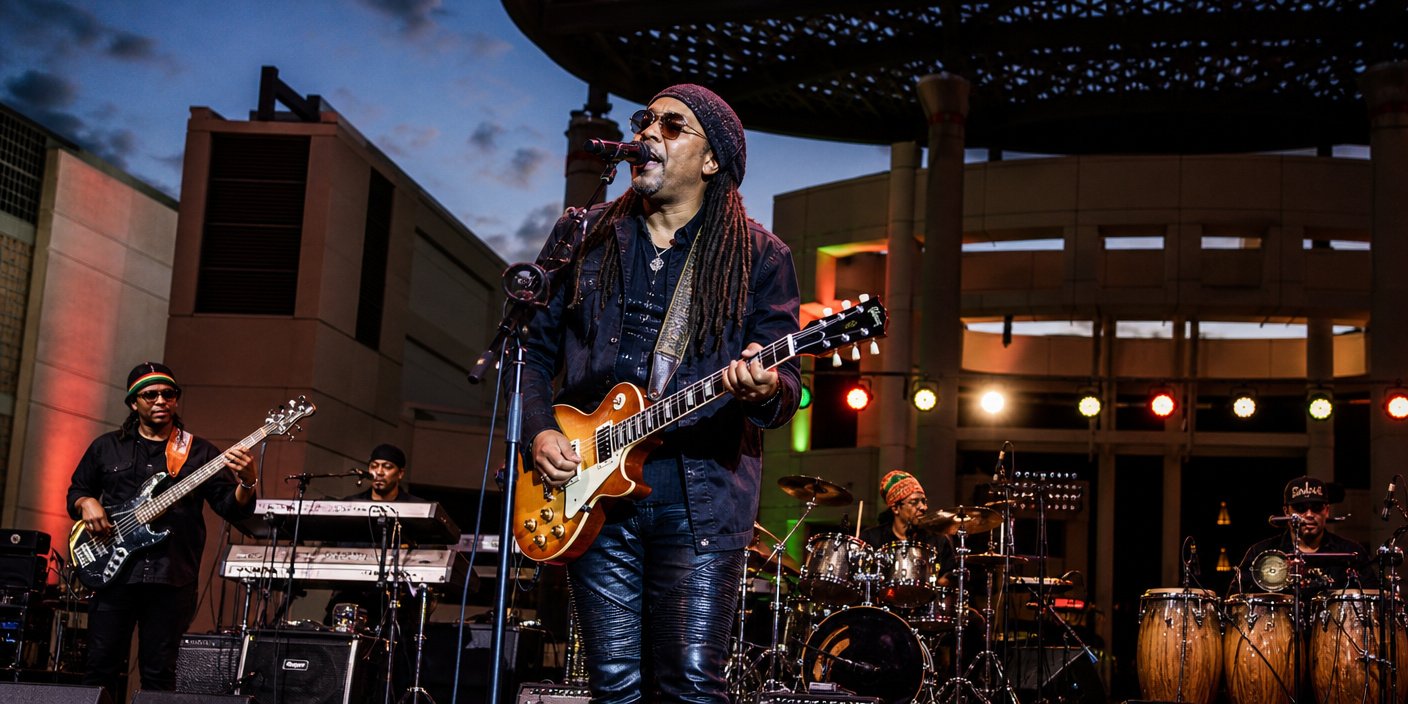
Music is the nervous system of any Carnival, and the 2026 edition was no different. The parade route was a moving sound system, shifting seamlessly from the percussive, syncopated rhythms of Haitian Kompa to the high-energy, soca-infused beats that dominate the Trinidadian and Barbadian carnival experiences. Attendees reported hearing a vibrant mix of tracks that paid homage to regional legends while spotlighting the new generation of Caribbean-influenced artists emerging from the Miami music scene. This auditory diversity is essential; it educates the uninitiated while providing a nostalgic home for the diaspora. The juxtaposition of sound—the deep, driving bass of the sound trucks colliding with the rhythmic shouts of street performers—created a unique sonic signature that could be heard blocks away from the parade route.
Costume Artistry and The ‘Mas’
Behind the spectacle of the parade lies a rigorous tradition of craftsmanship often referred to as ‘Mas’. Participants in the parade bands were adorned in costumes that were masterclasses in design—feathered headpieces that caught the harsh Florida sunlight, sequined bodices, and intricate wire-frame structures that require immense skill to construct. These costumes are not mere apparel; they are storytelling devices. Many designers participating this year noted that they began their work months in advance, sourcing materials locally and internationally to ensure that their ‘Mas’ camp’s section told a cohesive story. Whether representing folklore, historical events, or pure abstract imagination, these costumes serve as a physical manifestation of Caribbean pride.
Economic and Social Implications
The economic footprint of a festival of this magnitude is significant. For the local shops on NE 2nd Avenue, the influx of thousands of attendees provides a critical mid-year revenue spike. Local restaurants, usually busy with a steady local clientele, were overwhelmed with demand for patties, jerk chicken, griot, and plantains. This commercial activity is vital, but the social impact is arguably more profound. The Taste of Miami Karnival acts as a community glue. In a city as sprawling and sometimes fragmented as Miami, these events provide a rare, concentrated space where different Caribbean nationalities—often separated by borders and language—can congregate, share food, and dance to the same rhythms. It reinforces a shared identity that transcends national boundaries.
Challenges and Evolution
Despite the success, the logistics of hosting such a massive street festival in a dense urban neighborhood like Little Haiti are complex. Organizers spent weeks coordinating with city officials to ensure safety, sanitation, and traffic management. The closure of Northeast Second Avenue from 54th to 62nd Street caused typical weekend traffic headaches, but the consensus among residents and business owners has increasingly favored the event as a net positive. As the city evolves and new developments arise, the challenge remains for the Karnival to grow in scale without losing the intimate, grassroots ‘street party’ feel that makes it so authentic. Future iterations will likely need to focus on sustainability, ensuring that the waste management and infrastructure support keep pace with the growing attendance numbers.
FAQ: People Also Ask
Q: What is the main difference between the Taste of Miami Karnival and the larger Miami Carnival?
A: The Miami Carnival is typically a much larger, multi-day event usually held in October, often encompassing a parade and massive concert stages at larger venues like the Miami-Dade Fairgrounds. The ‘Taste of Miami Karnival’ is a more localized, street-focused event within Little Haiti that emphasizes neighborhood integration and community-level celebration.
Q: Is the Taste of Miami Karnival a free event?
A: Generally, the street parade portion of the Karnival is open to the public and free, allowing residents and tourists alike to line the streets and enjoy the atmosphere. However, some after-parties, stage performances, or VIP areas may require tickets or entry fees.
Q: How does the location in Little Haiti impact the event’s cultural identity?
A: Little Haiti is a historically significant neighborhood for the Caribbean community in Miami. Hosting the Karnival here centers the event within a community that actively lives, breathes, and practices these cultural traditions daily, rather than in a neutral, detached venue. It transforms the neighborhood into a living gallery of Caribbean culture.
Q: What genres of music are most prevalent during the parade?
A: You will hear a heavy rotation of Soca, Kompa, Calypso, Reggae, and increasingly, Afrobeats and Latin-Caribbean fusions. These genres reflect the musical heritage of the various Caribbean nations participating in the event.