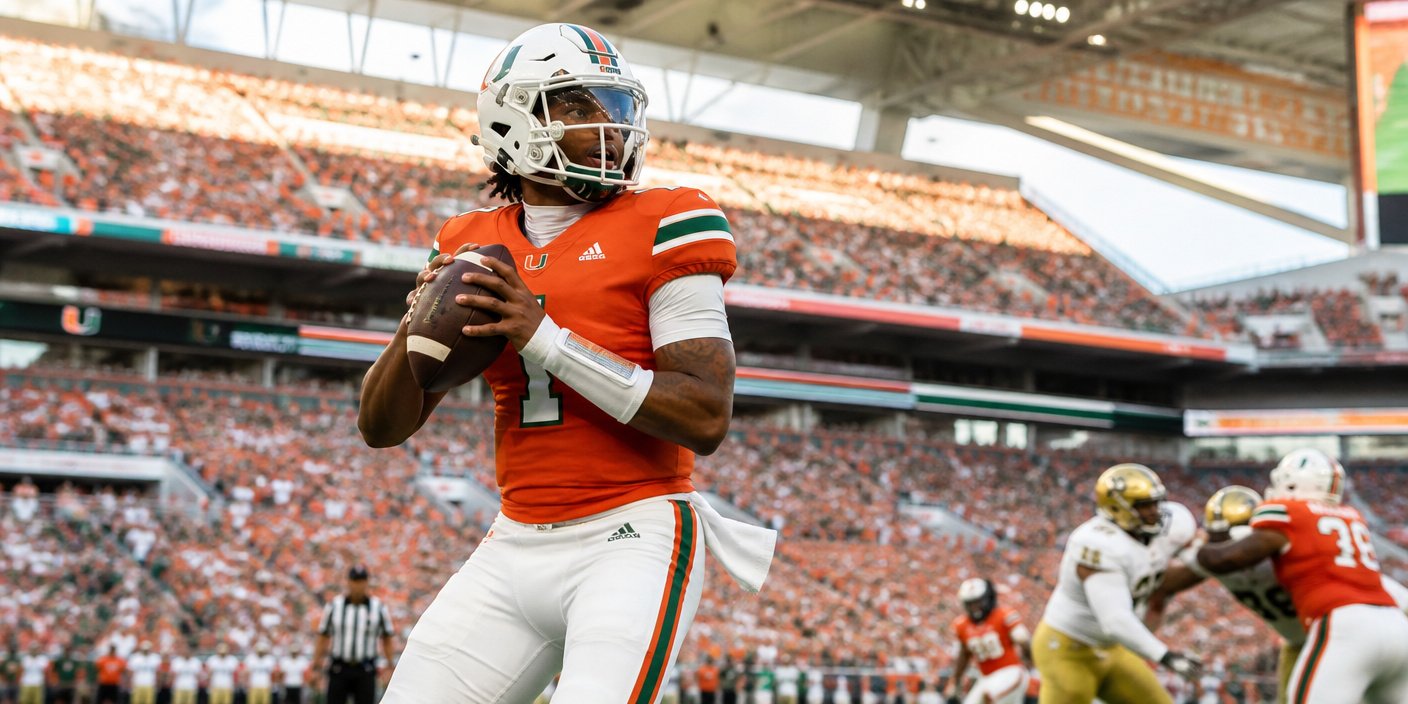
The Miami Heat officially parted ways with veteran guard Terry Rozier on Friday, marking the conclusion of one of the most turbulent individual tenures in recent franchise history. The move, characterized as a procedural necessity ahead of the looming postseason, brings an end to a season defined not by on-court performance, but by a high-stakes legal battle and an unprecedented roster complication. Rozier, who had been on leave since October 2025 following his arrest in connection with a federal illegal gambling investigation, was released to open a valuable roster spot as the Heat prepare for their play-in tournament run.
Key Highlights
- Official Departure: The Miami Heat waived Terry Rozier on April 10, 2026, officially ending his tenure with the organization following a season-long absence.
- The Catalyst: The move comes after Rozier’s October 2025 arrest regarding a federal investigation into an illegal gambling scheme, for which he has entered a plea of not guilty.
- Postseason Preparation: The transaction was a strategic maneuver to open a 15th roster spot, allowing Miami to elevate a player from their two-way contract system for the upcoming play-in tournament.
- Financial Context: Despite his absence, Rozier remained on the books for his $26.6 million salary, bolstered by an arbitration ruling earlier in the year that ensured he received his compensation despite his indefinite leave.
The Aftermath of a Lost Season
The separation between Terry Rozier and the Miami Heat was an inevitability that had been foreshadowed for months. Since his arrest in the early weeks of the 2025-26 NBA season, Rozier became a ghost on the roster—an expensive, non-contributing asset that the team was forced to navigate through a complex labyrinth of legal, financial, and logistical constraints. While the front office and coaching staff attempted to maintain a professional distance from the off-court proceedings, the reality of carrying an inactive player who consumed a significant portion of the salary cap while offering zero on-court value was a weight the franchise could no longer sustain as they pushed toward the playoffs.
The Strategic Gamble of Retention
Critics and analysts alike have scrutinized the Heat’s decision to hold onto Rozier well past the February trade deadline. In retrospect, the decision was less about hope for his return and more about the mechanics of the NBA’s roster rules. For the better part of the season, Miami utilized the flexibility of their 15-man roster to maximize the development of their two-way contract players. By carrying Rozier, the Heat were able to maximize the service time allowed for developmental prospects like Jahmir Young and others, utilizing the exception rules that favor teams with specific roster configurations.
However, as the calendar turned toward April, the strategic utility of the roster spot outweighed the benefits of salary cap management or secondary development incentives. With the postseason looming, the team needed a full, active rotation. The waiver of Rozier acts as a final administrative cleanup, a necessary step to retool the roster for the volatility of the play-in tournament.
The Shadow of Federal Litigation
At the core of this saga remains the federal investigation that derailed Rozier’s career in Miami. The charges—conspiracy to commit wire fraud and conspiracy to commit money laundering—represent a significant stain on the professional sports landscape. While Rozier has maintained his innocence, pleading not guilty and fighting the charges through legal counsel, the court of public opinion and the harsh reality of NBA team management were less forgiving.
From the organization’s perspective, the primary objective has been damage control. The team was effectively blindsided by the investigation shortly after acquiring Rozier in a trade from the Charlotte Hornets in January 2024. Documents revealed that the franchise was unaware of the existing gambling probe at the time of the transaction, leading to a tense, albeit quiet, dispute between the two franchises that was only partially resolved when the Hornets ceded a second-round pick last month as a peace offering of sorts.
Economic and Legal Precedents
Perhaps the most fascinating element of this story is the financial arbitration. In a league where player conduct policies are often restrictive, the ruling that Rozier was entitled to his $26.6 million salary despite being indicted on federal charges set a distinct precedent. It highlighted the strength of the collective bargaining agreement and the protections afforded to players, even in the face of criminal allegations. For the Heat, the financial sunk cost was a painful pill to swallow, but it became a cost of doing business in a high-variance league. The team’s ability to navigate this without cratering their own salary cap flexibility—or at least minimizing the damage—speaks to the sophisticated financial engineering common in modern NBA front offices.
Preparing for the Play-In
As Miami looks toward the future, the conversation shifts from legal motions to basketball tactics. The newly opened roster spot will likely be filled by an internal promotion—specifically, the elevation of a two-way player who provides immediate, depth-chart reliability. The team finds themselves in a precarious position as a No. 10 seed, and every marginal gain in roster depth is critical. The removal of the Rozier “distraction” (in name only, as he had not been around the facility) provides the team a clean slate for the postseason. The focus now returns to the hardwood, where the Heat must prove that their on-court chemistry can overcome a season that was consistently defined by factors outside the arena.
FAQ: People Also Ask
Q: Why was Terry Rozier waived so late in the season?
A: The Heat waited to waive Rozier primarily to maximize the flexibility of their roster rules regarding two-way players. Keeping him on the books until the final days before the postseason allowed the team to manage their depth chart and developmental roster spots more effectively while hoping to use his contract for trade purposes at the deadline.
Q: Will Terry Rozier be able to sign with another NBA team?
A: While Rozier is now a free agent, the pending federal charges involving wire fraud and money laundering make it highly unlikely that any NBA team will sign him. The league and individual teams will likely wait for the legal process to reach a conclusion before considering his future eligibility.
Q: How did the federal investigation affect the Heat’s salary cap?
A: Rozier’s salary of $26.6 million remained on the Heat’s cap for the entirety of the season. An arbitrator ruled that he was entitled to his salary despite his leave of absence, forcing Miami to absorb the full financial impact of his contract without receiving any on-court production.
Q: What happens to the Heat’s roster spot now?
A: With the spot now open, the Miami Heat are expected to convert one of their two-way players—such as Jahmir Young—to a standard NBA contract. This ensures that player is eligible for the postseason roster, providing necessary depth for the play-in tournament.