The Florida Department of Business & Professional Regulation (DBPR) recently took decisive action against the popular Don Camarón Seafood Grill, located at 501 NW 37th Ave., Miami. Following a rigorous inspection triggered by a consumer complaint, the restaurant was forced to close its doors temporarily after officials identified 33 distinct violations. The findings, which included the presence of roaches, improper temperature control for perishable items, and evidence of malodorous air, have cast a spotlight on the often-hidden realities of commercial kitchen hygiene. While the establishment has since rectified the issues and resumed weekend operations, the incident serves as a stark reminder of the critical importance of public health oversight in the hospitality sector.
Key Highlights
- 33 Health Violations: The inspection, triggered by a customer complaint, cited 33 separate issues, nine of which were categorized as “High Priority.”
- Pest Concerns: Inspectors noted both live and dead roaches in the seafood preparation area, highlighting immediate sanitation failures.
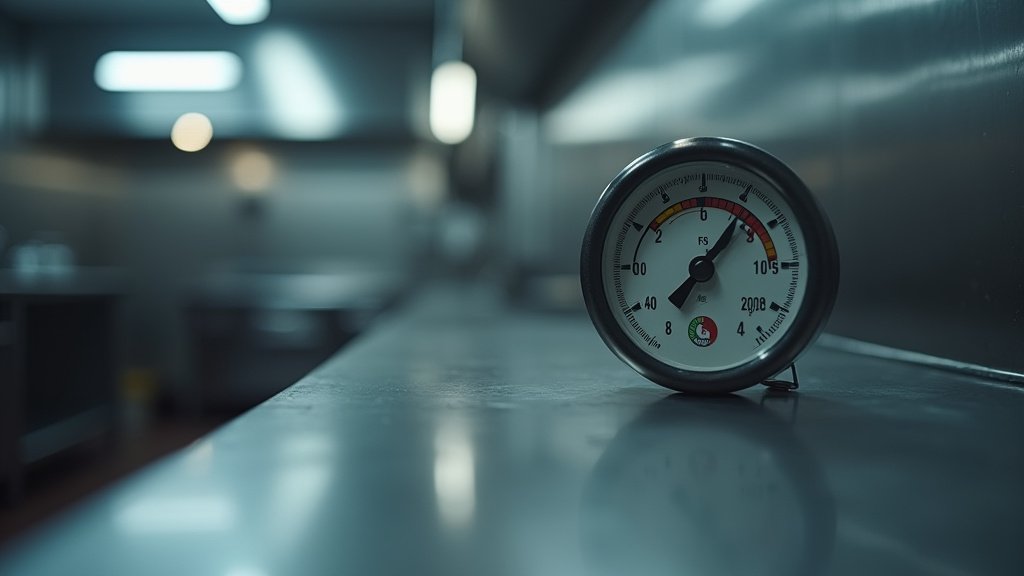
- Temperature Abuse: Critical food items, including ham, pork base, and mozzarella, were found at unsafe temperatures (49-52°F), significantly above the required threshold of 41°F.
- Operational Failures: Reports detailed employees failing to wash hands between touching raw fish and handling ready-to-eat items, alongside “malodorous” air in the kitchen environment.
- Rapid Turnaround: The restaurant was closed immediately following the inspection but passed a re-inspection by the weekend, allowing it to resume business.
The Anatomy of an Inspection Failure
Health inspections are designed to be the final line of defense between a restaurant’s operational practices and the public’s well-being. When an inspector from the Florida DBPR steps into a kitchen, they are not merely looking for surface-level dust; they are conducting a forensic assessment of food safety protocols. The case of Don Camarón provides a textbook example of how a series of small, seemingly manageable infractions can accumulate into a major regulatory failure.
The Critical Nature of Temperature Control
The most alarming aspect of the Don Camarón report was the failure to maintain the cold chain. In a professional kitchen, refrigeration is the primary barrier against the proliferation of foodborne pathogens like Salmonella, Listeria, and E. coli. When coolers operate at ambient temperatures of 51°F—as was found in the restaurant’s reach-in cooler—food enters the “Danger Zone” (typically defined as 40°F to 140°F). The discovery that ham, pork, and mozzarella had been stored at 49°F to 52°F for four days is a severe lapse. Bacteria grow exponentially in these conditions, and simple refrigeration is the only way to arrest that process. When a cooler fails, it is not just an equipment issue; it is a public health hazard.
Hygiene, Pests, and Human Error
Beyond the hardware, the inspection report detailed behavioral failures that are often harder to control. The observation of an employee moving from handling raw fish to preparing food without washing hands or changing gloves is a primary vector for cross-contamination. This type of error is arguably more dangerous than pest sightings because it directly introduces raw biological contaminants into cooked, ready-to-serve dishes.
Similarly, the presence of roaches—both live and dead—in a seafood prep area is an immediate red flag. Pests do not simply exist in a vacuum; they indicate a failure of structural integrity (holes in walls, unsealed gaps) and sanitation (food debris left to attract them). The “malodorous” air reported by inspectors suggests a deeper, systemic issue with ventilation and waste management, pointing to an environment that had become complacent with its own standard of cleanliness.
The Role of Public Scrutiny
In Miami, and across the United States, the “Dirty Dining” phenomenon—often championed by investigative journalists and local news outlets—has changed the restaurant landscape. By publicizing these inspection reports, the media empowers consumers to make informed choices. The fact that the Don Camarón inspection was “ignited by a customer complaint” underscores the shift in the power dynamic. Modern diners are more observant and less forgiving than ever before. When a customer notices something off—a smell, a questionable surface, a temperature issue—they are now more likely to report it to the DBPR, effectively turning the dining public into a massive, decentralized inspection force.
Economic and Social Impact
For a restaurant, a temporary closure is both an economic hit and a reputation-shattering event. The cost of food waste, staff downtime, and the negative publicity that accompanies a published inspection report can be catastrophic. However, this oversight is essential. It forces businesses to standardize their operations, invest in better equipment, and prioritize employee training. The rapid reopening of Don Camarón suggests they were able to correct these violations quickly, likely through deep cleaning, staff retraining, and refrigeration repairs. This responsiveness is vital for survival in a competitive market like Miami, where a restaurant’s reputation is its most valuable asset.
Future Predictions for Food Safety
As technology advances, we can expect to see more automated monitoring in commercial kitchens. Future-proofing a restaurant now involves IoT-enabled temperature sensors that alert managers instantly if a cooler deviates from the safe range, removing the “human error” factor from temperature logs. Additionally, stricter compliance training for staff, potentially verified through blockchain or digital certification, may become standard as local governments tighten regulations to prevent outbreaks. The era of the “paper log” that can be easily manipulated is fading; in its place is a more transparent, data-driven approach to food safety that will hopefully minimize incidents like the one at Don Camarón.
FAQ: People Also Ask
Q: What does it mean when a restaurant is “ordered shut” by the DBPR?
A: When a restaurant is ordered shut, it means an inspector found “High Priority” violations—such as pest infestations, lack of hot water, or severe temperature abuse—that pose an immediate threat to public health. The restaurant cannot reopen until they correct the violations and pass a follow-up inspection.
Q: Are these inspection reports available to the public?
A: Yes. In Florida, the Department of Business & Professional Regulation maintains a database of all restaurant inspections. These records are public documents, and most major news outlets in the state monitor and publish summaries of these reports to keep the public informed.
Q: Does a “re-inspection” mean the restaurant is perfectly clean?
A: A re-inspection focuses on ensuring the specific violations cited in the previous report have been addressed and corrected. While it indicates that the immediate health risks have been mitigated, it is always advisable for consumers to check the most recent and historical inspection data if they have concerns about a specific establishment.