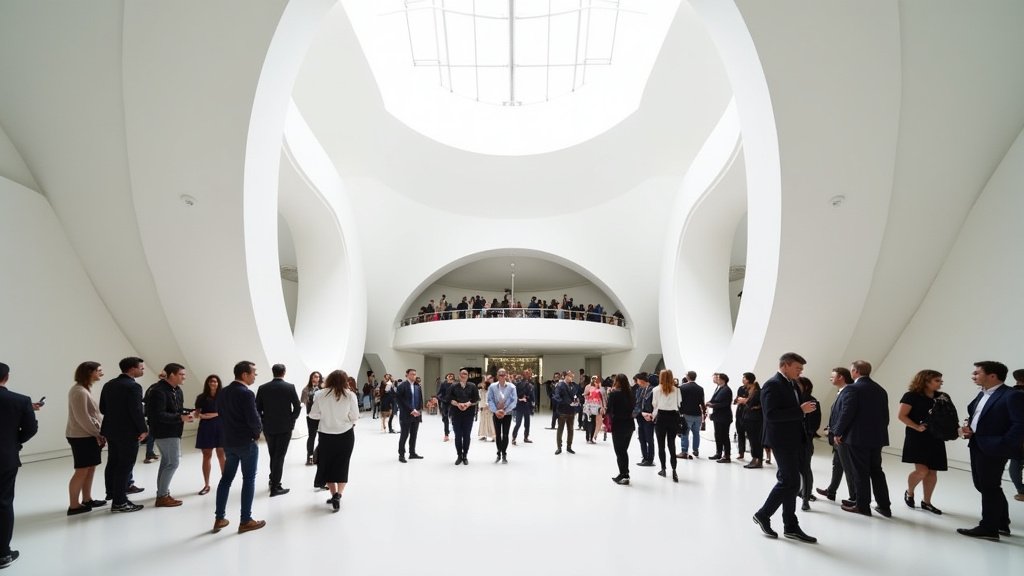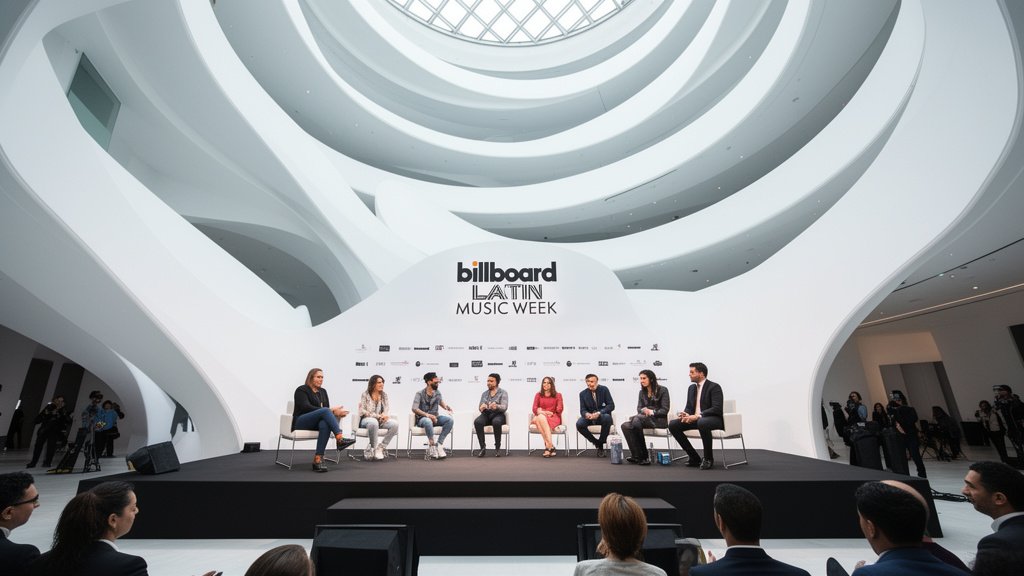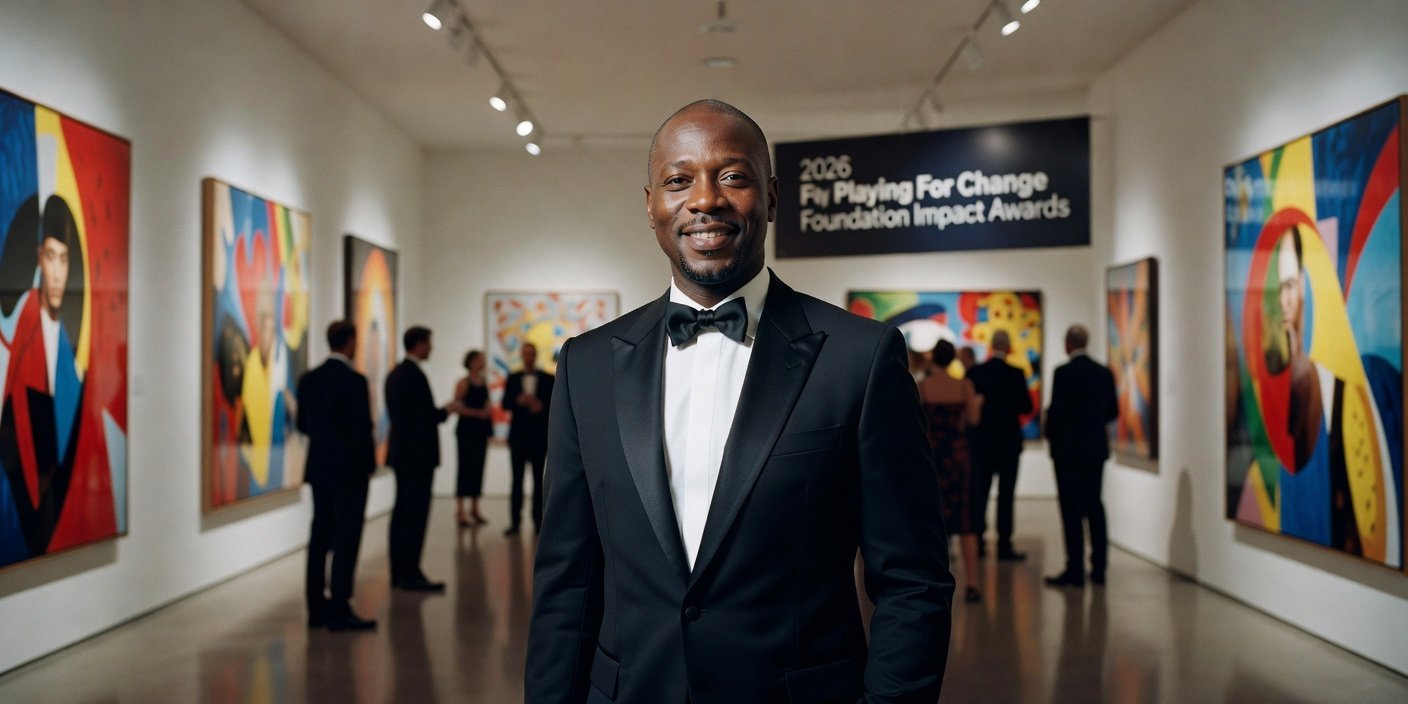
The Playing For Change Foundation (PFCF) transformed the iconic Rubell Museum in Miami into a global stage for humanitarian action this past April 11, 2026, during its annual Impact Awards gala. Attended by a distinguished crowd of philanthropists, artists, and community leaders, the evening served as more than a high-profile fundraising event; it was a powerful affirmation of the role that music and visual arts play in fostering unity, empowerment, and social change across borders. By the conclusion of the evening, the foundation successfully raised over $2.5 million, funds dedicated to expanding its vital music education programs for underserved youth worldwide.
Key Highlights
- $2.5 Million Raised: The gala surpassed its fundraising targets to support global music and arts education programs for underserved communities.
- Honoring Wyclef Jean: The Grammy-winning musician and activist received the Impact Award for his lifelong commitment to youth empowerment, education, and humanitarian aid.
- Inaugural Visual Impact Award: Photographer and humanitarian Nigel Barker became the first recipient of this new honor, recognizing his work in using visual storytelling to amplify global social causes.
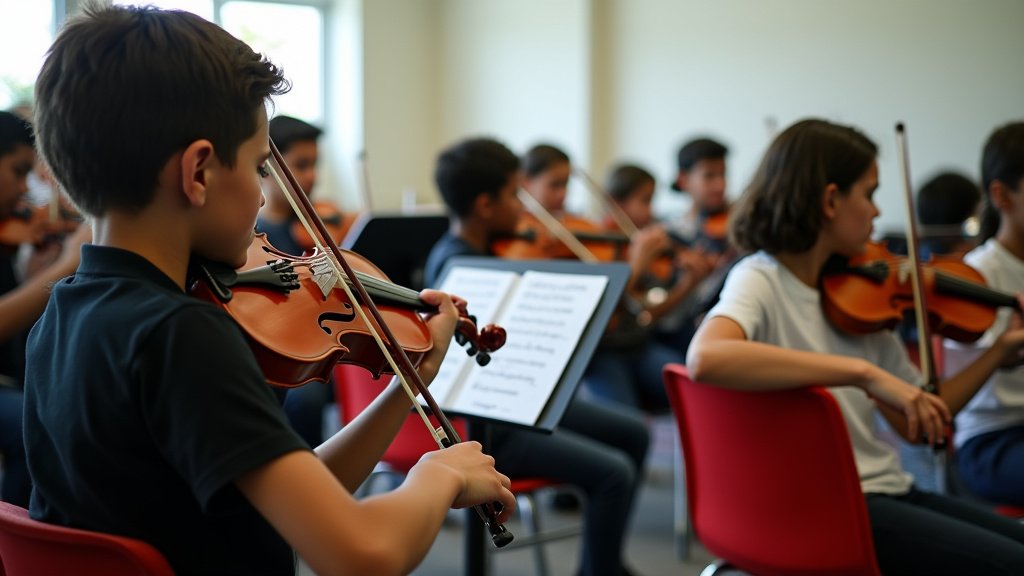
- Debut of ‘Voices for Change’: The evening featured the world premiere of a global youth choir, symbolizing the cross-cultural connectivity that lies at the heart of the foundation’s mission.
- Venue Synergy: Held at the Rubell Museum, the event melded high-art culture with philanthropic purpose, emphasizing the intersection of creative expression and social responsibility.
A Symphony of Philanthropy: How the 2026 Impact Awards Redefined Social Change
The 2026 Impact Awards represented a pivot in how major philanthropic galas operate in the post-pandemic era. In an increasingly polarized geopolitical landscape, the event organizers prioritized a message of radical connectivity. By integrating the arts—not just as entertainment, but as the core vehicle for the foundation’s mission—the evening at the Rubell Museum underscored that music is more than an aesthetic experience; it is a fundamental tool for economic and social development.
The Power of Collaborative Artistry
The most striking element of the 2026 gala was the debut of the ‘Voices for Change’ project. This global youth choir, comprised of students from PFCF programs spanning multiple continents, provided a live testament to the organization’s efficacy. The performance was not merely a musical set but a literal and figurative demonstration of how shared language—in this case, rhythm and melody—can dissolve regional barriers. For attendees, seeing children from diverse backgrounds performing in harmony served as the strongest possible argument for the foundation’s continued investment in arts education. The project represents a deliberate shift in the foundation’s strategic direction: moving toward larger, cross-border collaborative pieces that showcase the interconnectedness of the youth they serve.
Wyclef Jean: Bridging Humanitarianism and Music
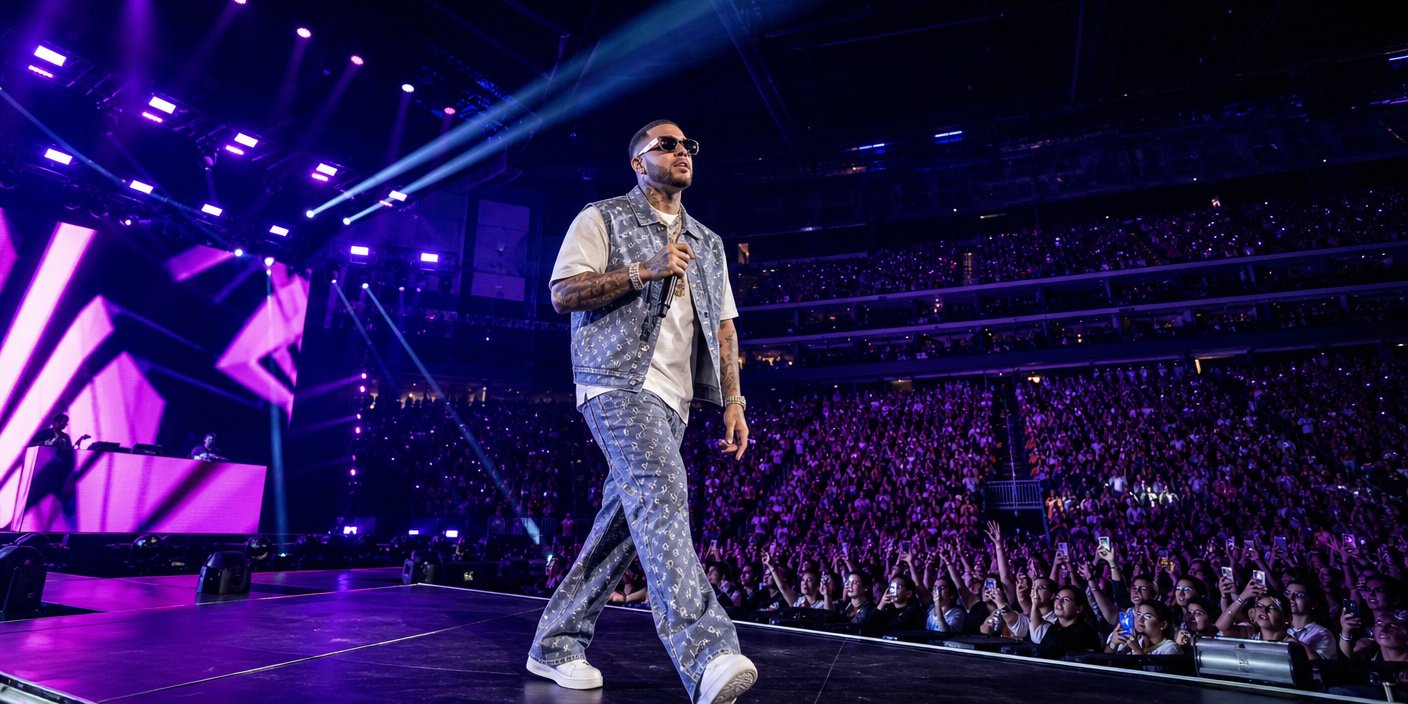
Wyclef Jean’s recognition with the Impact Award was perhaps the emotional centerpiece of the evening. Jean, whose humanitarian efforts have spanned decades—from the founding of Yéle Haiti to his work with Music Will—has long been a proponent of using stardom to effect tangible change. During his acceptance speech, he articulated a vision of music as a ‘universal passport,’ an essential resource that gives young people the agency to define their own futures. His work, which frequently bridges the gap between technology and traditional music education, aligns perfectly with the foundation’s goal of modernizing how arts are taught in under-resourced public schools. Jean’s presence at the event brought a specific gravity to the proceedings, reminding donors that the most effective humanitarian work is often community-led and culturally authentic.
Nigel Barker and the Visual Narrative of Change
The decision to introduce the ‘Visual Impact Award’ and bestow it upon Nigel Barker marks a significant expansion for the Playing For Change Foundation. For years, the foundation focused primarily on the auditory aspect of culture. By formally incorporating visual arts and photography into its recognition framework, the foundation is acknowledging that the narrative of social change is a multimodal process. Barker’s career, which has frequently seen him embedded in humanitarian crises and community development projects, serves as a blueprint for how visual artists can act as conduits for awareness. The award acknowledges that in the digital age, a single image can be just as potent as an anthem in driving policy shifts and mobilizing donor support. This inclusion suggests that future PFCF initiatives may lean into more robust multi-media storytelling techniques to amplify the voices of the students they support.
The Economics of Empathy: Why This Gala Matters
Beyond the celebrity influence and the red carpet glamour, the economic reality of the 2026 Impact Awards is critical. Raising $2.5 million in a single evening is no small feat in 2026, particularly given the shifting dynamics of international aid and the increasing competition for donor dollars among non-profit organizations. The foundation’s success lies in its ‘Impact Circle’ model, which categorizes support in a way that allows donors to target their resources specifically—funding everything from refugee children’s music programs to the naming rights for new regional recording studios. This granular level of donor participation is likely a key factor in the organization’s sustained growth. By allowing patrons to see a direct link between their capital and the construction of physical, creative infrastructure, the foundation creates a sense of accountability and legacy that generic donation models often lack.
Global Youth Voices: A New Standard for Music Education
As the foundation looks toward the latter half of the decade, the emphasis on scalability has become paramount. The 2026 event highlighted that music education is increasingly being viewed by educators and policy-makers as an ‘essential skill’ rather than an ‘extra-curricular activity.’ The data presented by the foundation—showing improved cognitive outcomes, school attendance rates, and community resilience in regions where they operate—supports this shift. By fostering these outcomes through music, the Playing For Change Foundation is proving that cultural investment is, in fact, an economic investment in the future labor force and leadership of those communities. The evening at the Rubell Museum was a celebration of this thesis, proving that when youth are given the tools to express themselves, the ripple effect of that confidence extends far beyond the stage.
FAQ: People Also Ask
What is the primary mission of the Playing For Change Foundation?
The foundation’s mission is to empower youth in communities around the world—often those that are economically disadvantaged but rich in cultural traditions—by providing them with access to music and arts education. Their goal is to foster social and economic change through creative expression.
What does the ‘Visual Impact Award’ represent?
Introduced in 2026, the Visual Impact Award is designed to honor creators—such as photographers, filmmakers, and visual artists—who use their craft to amplify humanitarian causes. It acknowledges that visual storytelling is a critical component of modern social activism.
Why was the event held at the Rubell Museum?
The Rubell Museum is a renowned cultural institution in Miami. By hosting the gala there, the Playing For Change Foundation highlighted the intersection of high art, cultural heritage, and contemporary philanthropy, providing a sophisticated backdrop that emphasizes the importance of their cause.
How are funds raised at the event used?
Funds raised at the Impact Awards go directly toward maintaining existing music programs, funding new music schools and recording studios in over 25 countries, and supporting initiatives like the global ‘Voices for Change’ project, which provides opportunities for underserved youth to collaborate on an international stage.