The loss of a child is an unimaginable grief, a permanent silence where laughter should be. For Olga Londoño, who lost her 15-month-old son, Eduardo, to drowning in 2021, that silence became the catalyst for a radical, county-wide transformation in how Miami-Dade protects its children. What began as a mother’s mourning evolved into the Edu Foundation, and now, in a powerful partnership with The Children’s Trust, a community-wide initiative is working toward a singular, audacious goal: zero child drownings. By integrating life-saving swim instruction directly into the school day, this coalition is dismantling the socio-economic barriers that have historically made water safety a luxury rather than a fundamental right.
The Silent Crisis
In Florida, water is everywhere, and for families in Miami-Dade, it is a constant, quiet threat. Drowning remains the leading cause of accidental death for children between the ages of 1 and 14 in the county. This is not merely a statistical anomaly; it is a profound public health failure. For decades, the burden of water safety fell on individual parents, many of whom faced insurmountable obstacles—ranging from the high cost of private lessons to the logistical nightmare of after-school transportation. The partnership between the Edu Foundation and The Children’s Trust acknowledges a harsh reality: in a region defined by its coastlines and waterways, the current “standard” for water safety was not merely insufficient; it was failing the most vulnerable.
Breaking the Barrier: The School-Day Model
Perhaps the most significant innovation of the Zero Drownings Miami-Dade initiative is the decision to move swim lessons out of the domain of extracurricular activities and into the school day. Historically, programs relied on parents to register, pay for, and transport children to pools. These hurdles effectively excluded the very children most at risk—those in high-poverty neighborhoods with limited access to resources.
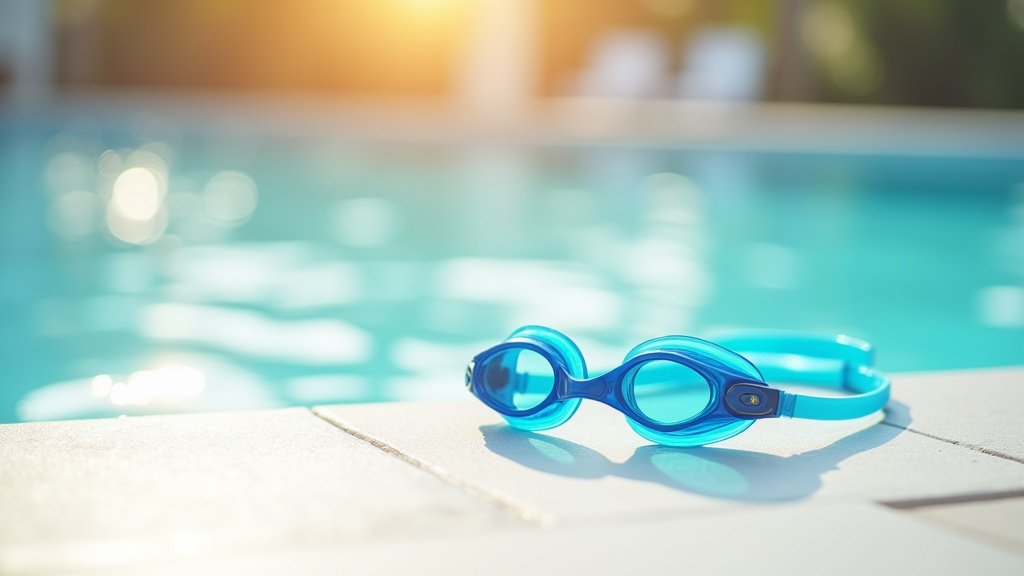
Under the new directive, schools coordinate with local pools to ensure that swimming instruction happens during school hours. This logistical pivot is a game-changer. By treating water safety as an academic necessity—much like literacy or math—the initiative guarantees that children, particularly those from Head Start programs and Title I schools, receive foundational training. The program provides 10, 30-minute in-water sessions, taught by American Red Cross-certified instructors, effectively creating a sustainable safety net that operates independently of a family’s financial status or transportation capabilities.
The Infrastructure of Survival
Beyond the lessons themselves, the coalition has invested in the long-term infrastructure required to sustain such a massive undertaking. The creation of an official Office of Drowning Prevention within the Miami-Dade Parks, Recreation, and Open Spaces Department represents a permanent commitment from the county. This office serves as the logistical engine, coordinating the complex “management information system” that tracks registration, attendance, and competency metrics.
This isn’t just about teaching kids to dog-paddle; it is about creating a data-driven culture of safety. The program’s curriculum is rigorous, designed to instill water competency in four and five-year-olds, an age group identified by the CDC as being at the highest risk for drowning. With the capacity to reach 20,000 children annually by 2027, the initiative is effectively building a generational defense against water-related tragedies. Every child who completes the course is not just learning a sport; they are acquiring a life-saving skill set that they will carry for the rest of their lives.
Engaging the Homefront
While school-based lessons provide the physical skills, the initiative recognizes that true safety begins at home. A core pillar of the Edu Foundation’s work is the development of educational materials for parents and caregivers. This includes digital water safety courses, “Water Watcher” resources, and information on essential home modifications, such as four-sided pool fencing and self-closing, self-locking gates.
By leveraging the trust built through community schools, the program bypasses the traditional “public health messaging” fatigue that often plagues large-scale campaigns. Instead, it meets parents where they are, using language-accessible materials in English, Spanish, and Haitian Creole to ensure that no family is left out of the conversation. The goal is to create a “culture of layers,” where swim lessons are only one part of a comprehensive protection strategy that includes supervision, barriers, and proactive home management.
The Future of Prevention
As the program continues to scale, its impact is being monitored with unprecedented scrutiny. The commitment to “zero” is a long-term, multi-generational challenge, but the results from the initial pilot phases are promising. By treating water safety as a collective responsibility rather than an individual burden, Miami-Dade is setting a new precedent for other coastal municipalities across the United States.
The tragedy of Eduardo Londoño’s death remains the heart of this movement, but the focus has shifted firmly toward the future. The initiative demonstrates that even the most deeply entrenched public health issues can be addressed through public-private partnerships, a relentless focus on accessibility, and the refusal to accept the status quo. In a world where childhood drowning is far too common, this community has decided that “accidental” no longer has to mean “unavoidable.”
FAQ: People Also Ask
Q: How does the Zero Drownings Miami-Dade initiative identify which children receive lessons?
A: The program prioritizes children in high-risk groups, including students in public and private early learning centers, Head Start programs, and Miami-Dade County Public Schools kindergarteners. Participants are pre-selected by district staff and The Children’s Trust to ensure that those with the least access to private lessons are prioritized.
Q: Are these swim lessons completely free?
A: Yes. The initiative is funded by a combination of public funds from the county and The Children’s Trust, as well as private support from organizations like the Edu Foundation and the Templeton Family Foundation. The program covers the cost of lessons and provides transportation, removing all financial barriers for families.
Q: Why is drowning the leading cause of death for this specific age group?
A: According to the CDC, drowning is the leading cause of death for children aged 1–4 and remains a top cause for those up to age 14. Children at this developmental stage often lack the cognitive understanding of water dangers and the physical motor skills to survive an accidental submersion, making early, formal intervention vital.
Q: How can parents access resources if their child is not part of the school program?
A: The official Zero Drownings Miami-Dade website provides a searchable map of local after-school and summer swim programs. It also features free digital water safety courses for parents, which include essential guides on pool barriers, alarms, and the importance of active supervision.
Q: Is this model being adopted elsewhere?
A: While the Zero Drownings Miami-Dade initiative is specific to the county’s unique demographics and geography, its model—incorporating school-day logistics, centralized management, and private-public funding—is frequently studied by public health officials in other coastal regions as a blueprint for localized drowning prevention.